❓
Frequently Asked Questions
What is a solar controller?
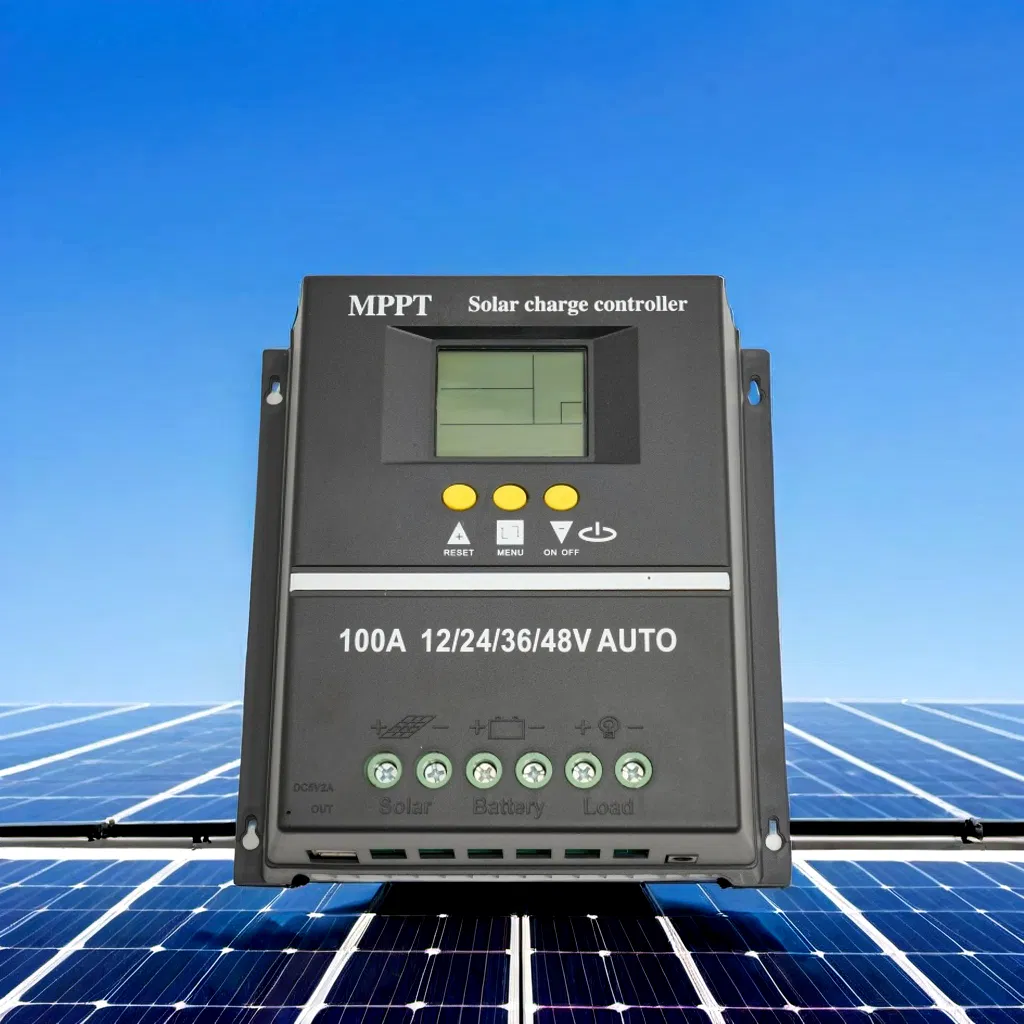
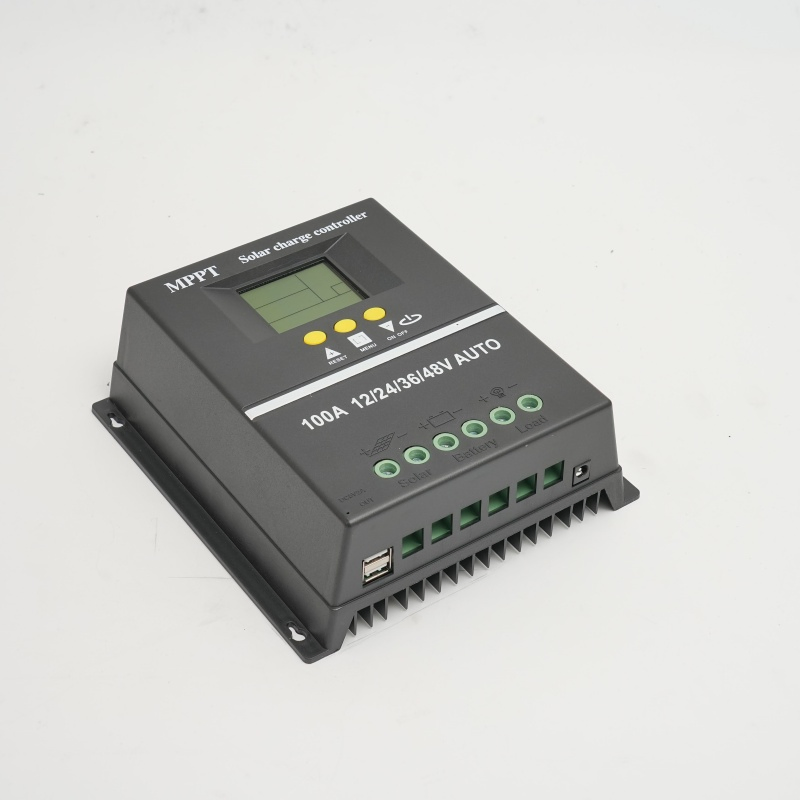
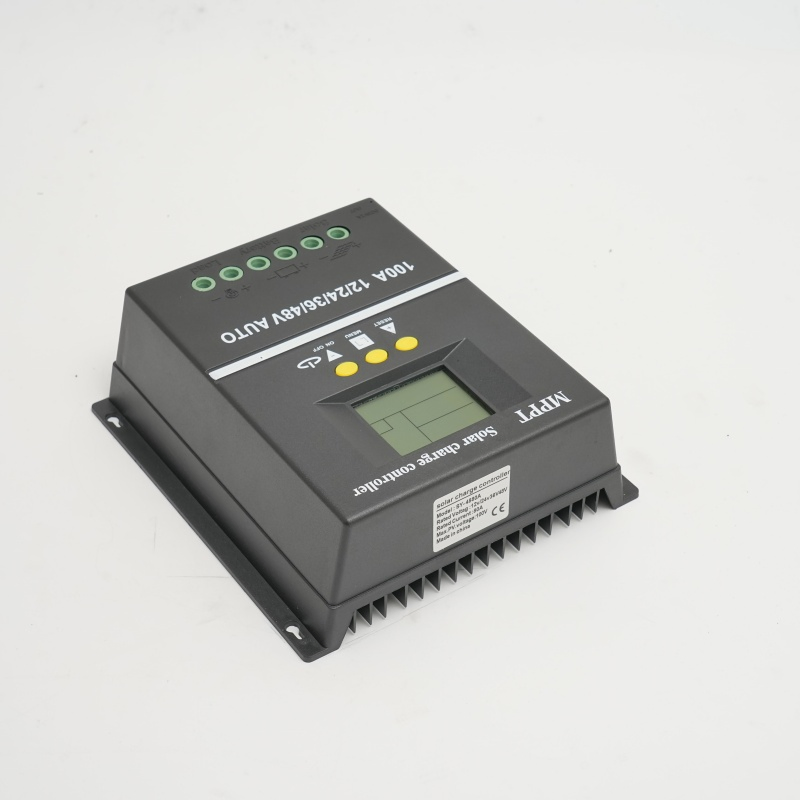
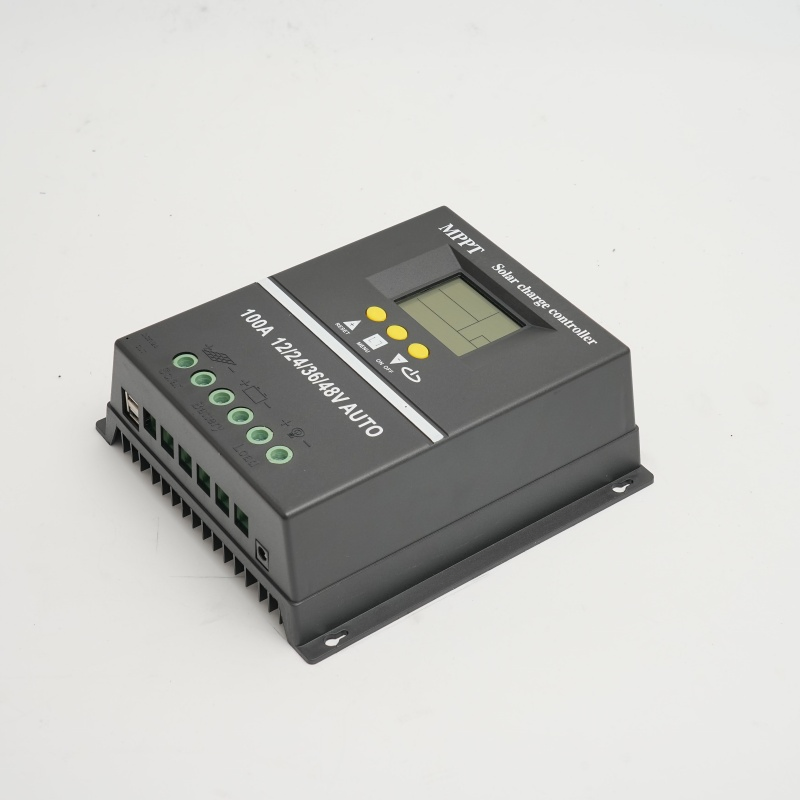
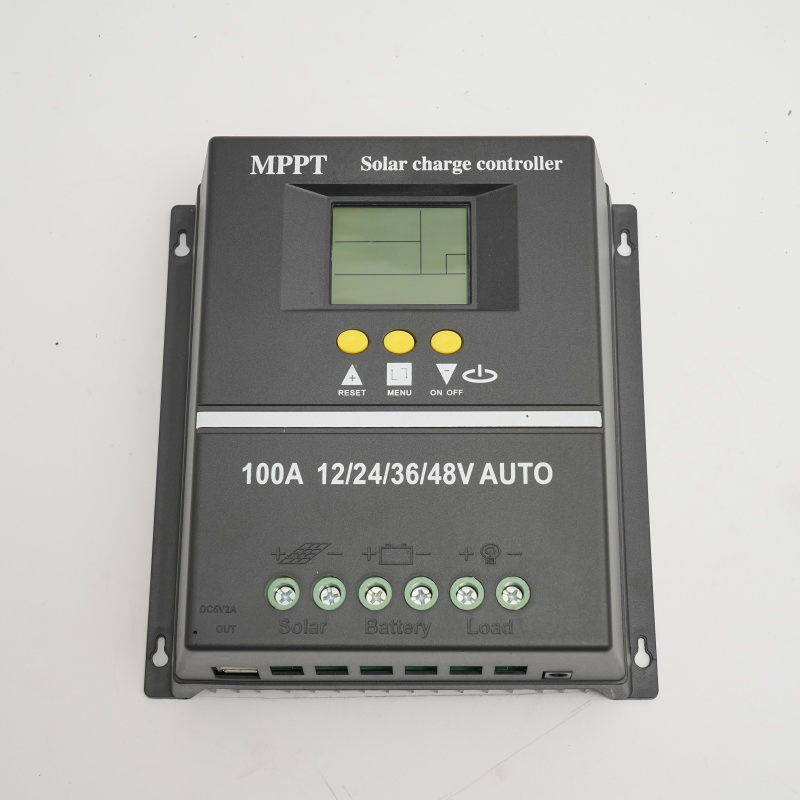
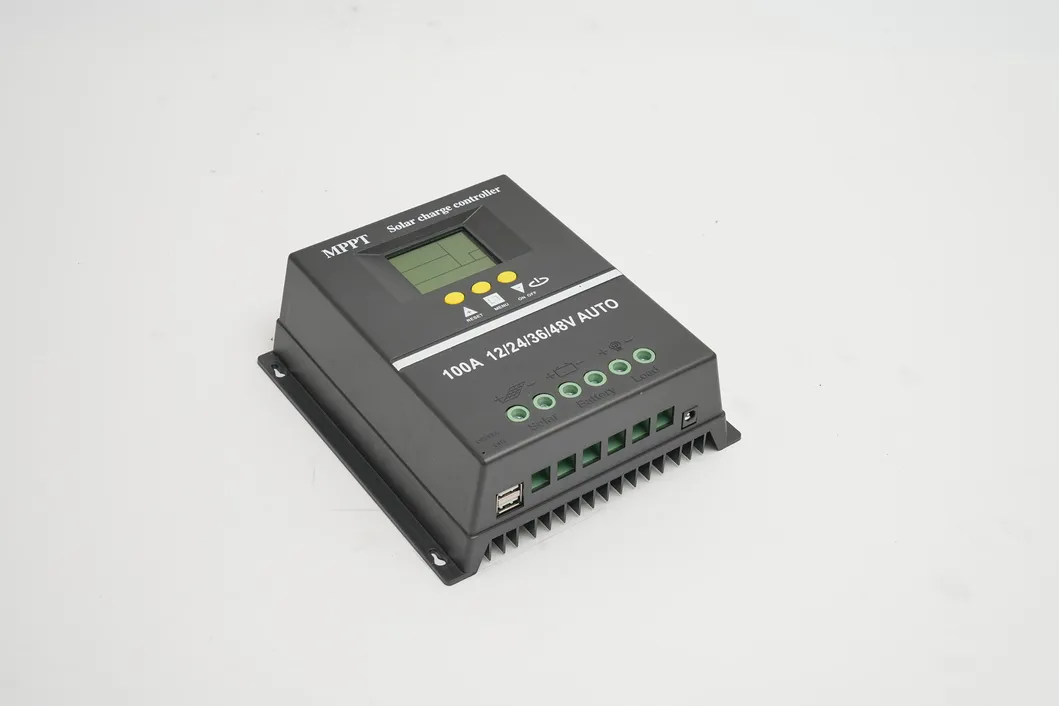
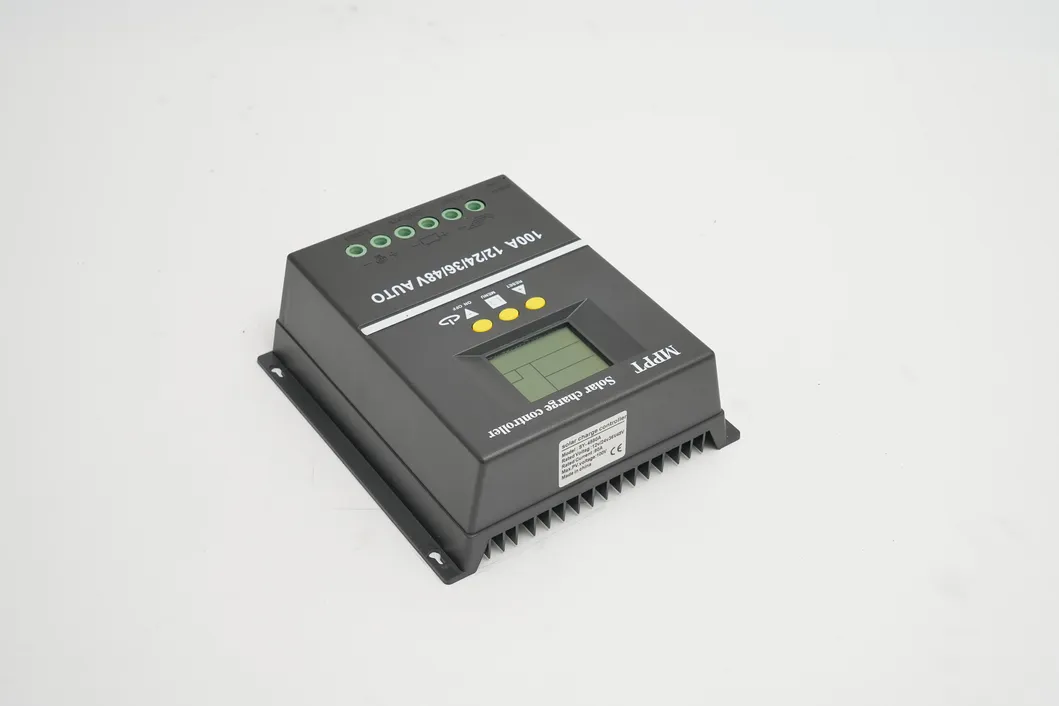
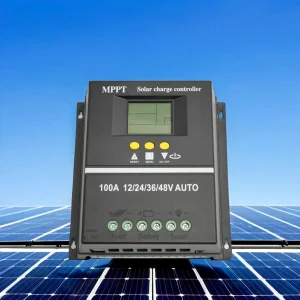
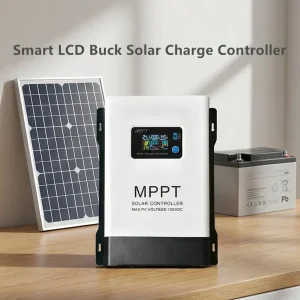
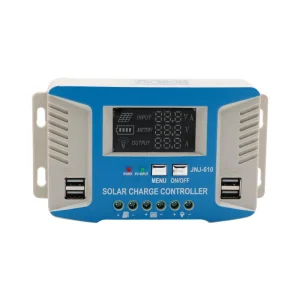
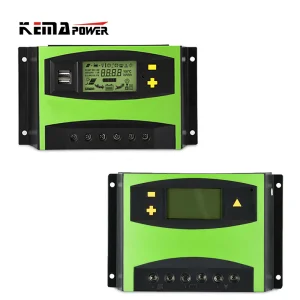
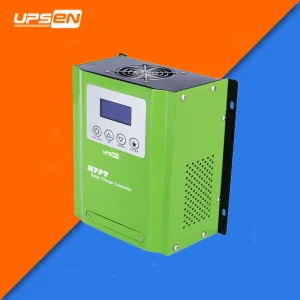
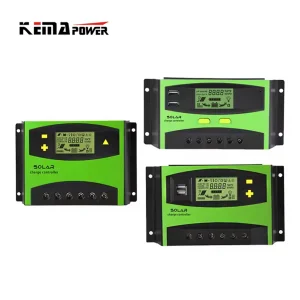
A solar controller (also known as a solar charge controller) is a device used to manage the electrical energy transmission between solar panels and batteries. Its main functions are to prevent the battery from overcharging or over-discharging, extend the battery life, and optimize the efficiency of the solar energy system.
What is the role of a solar controller?
- Charging management: Controls the battery charging process to prevent overcharging.
- Discharge protection: Prevents over-discharging to protect battery life.
- Load control: Manages power supply to connected loads like lights or devices.
- System monitoring: Provides data display for voltage, current, and capacity.
What is the difference between a PWM and an MPPT controller?
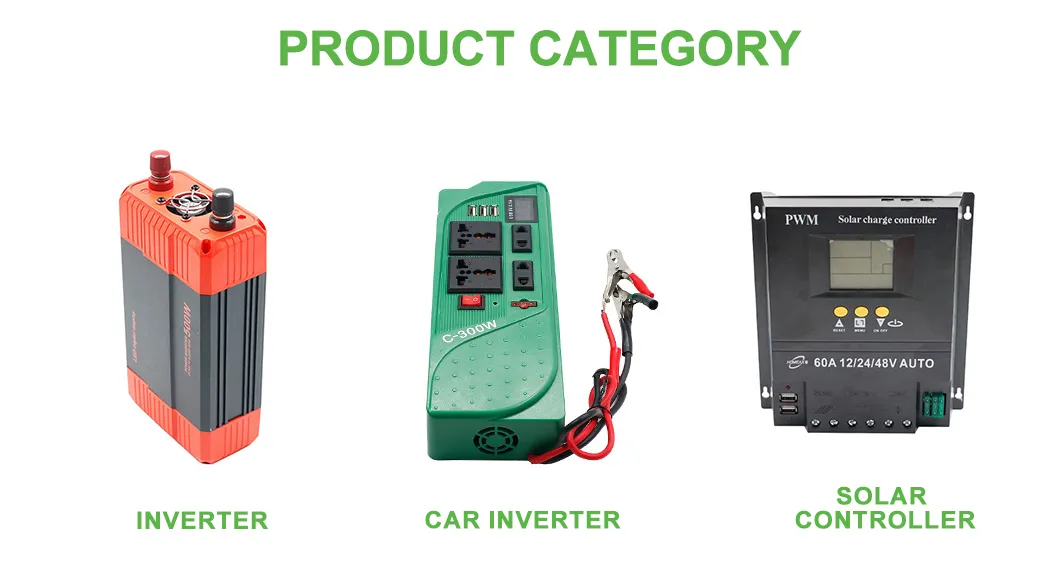
PWM: Directly reduces solar panel voltage to battery voltage; cost-effective for small systems.
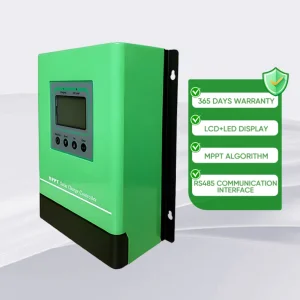
MPPT: Maximizes output power by dynamically adjusting the operating point; higher efficiency for high-power systems or cold environments.
What types of batteries are supported?
Most controllers support lead-acid batteries (sealed, open), lithium batteries (LiFePO4, ternary lithium), and gel batteries. Always confirm compatibility before use.
Does the solar controller have overload protection?
Yes, most controllers include overload protection. If the load current exceeds the rated value, the controller will automatically cut off output to protect the system.
How does the controller work at night?
At night, the solar controller stops charging and manages the battery's discharge to the load according to specific settings, preventing over-discharge.
 VoltEdge Charging