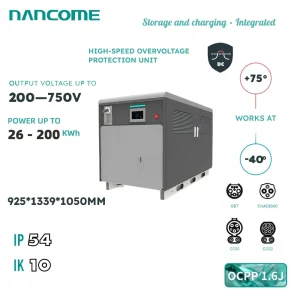
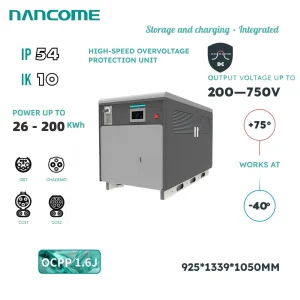
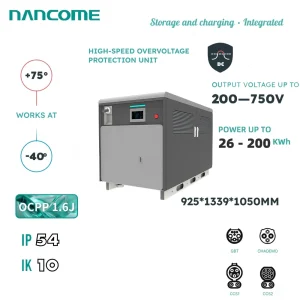
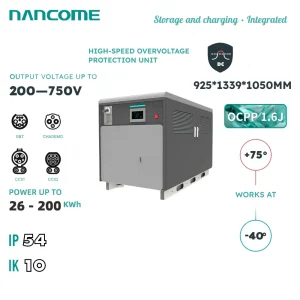
Interfaces
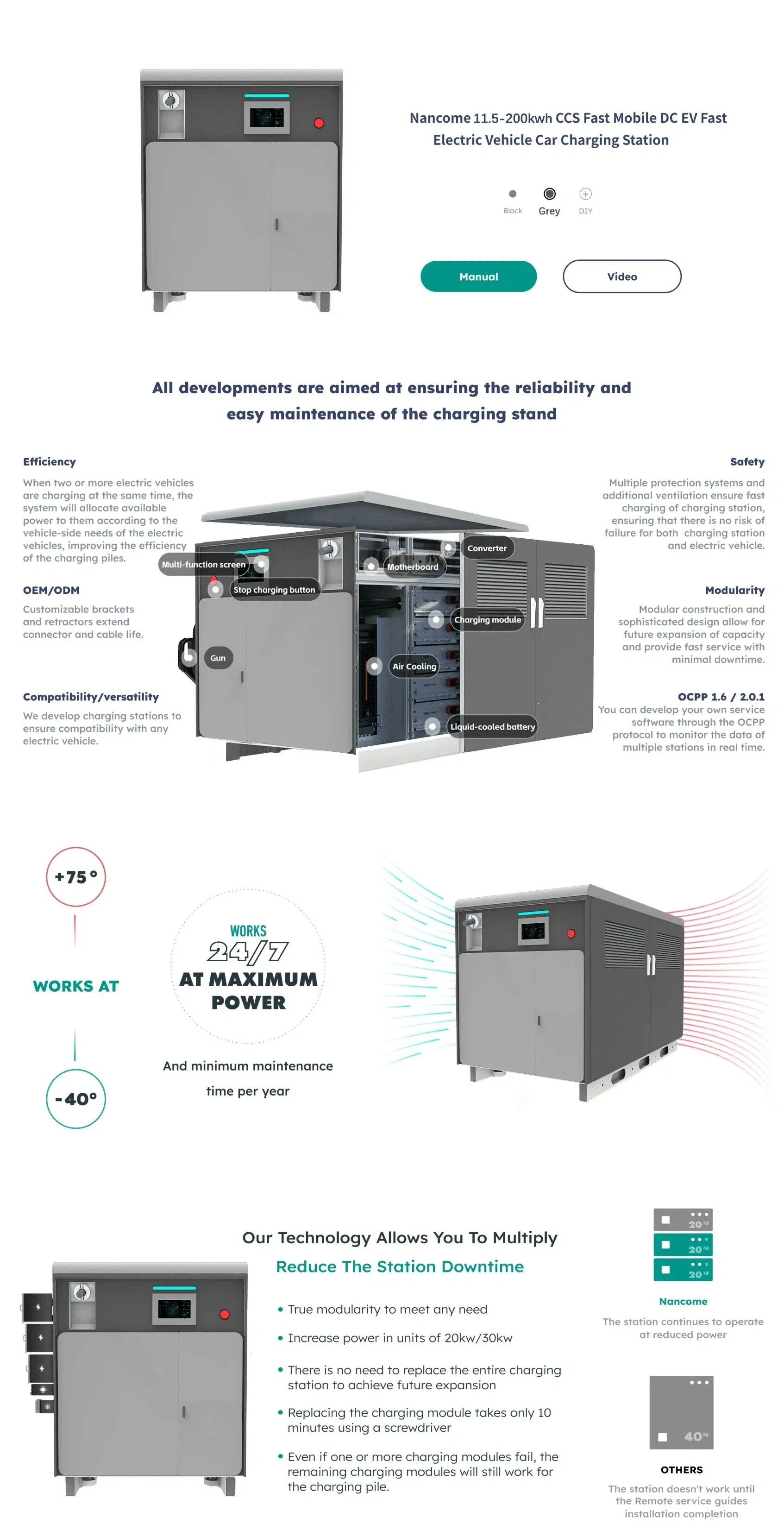
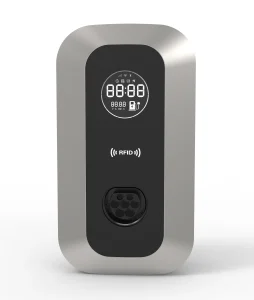
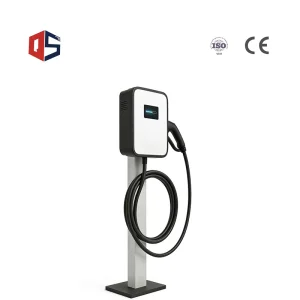
One Pile with One Charge
Start Mode
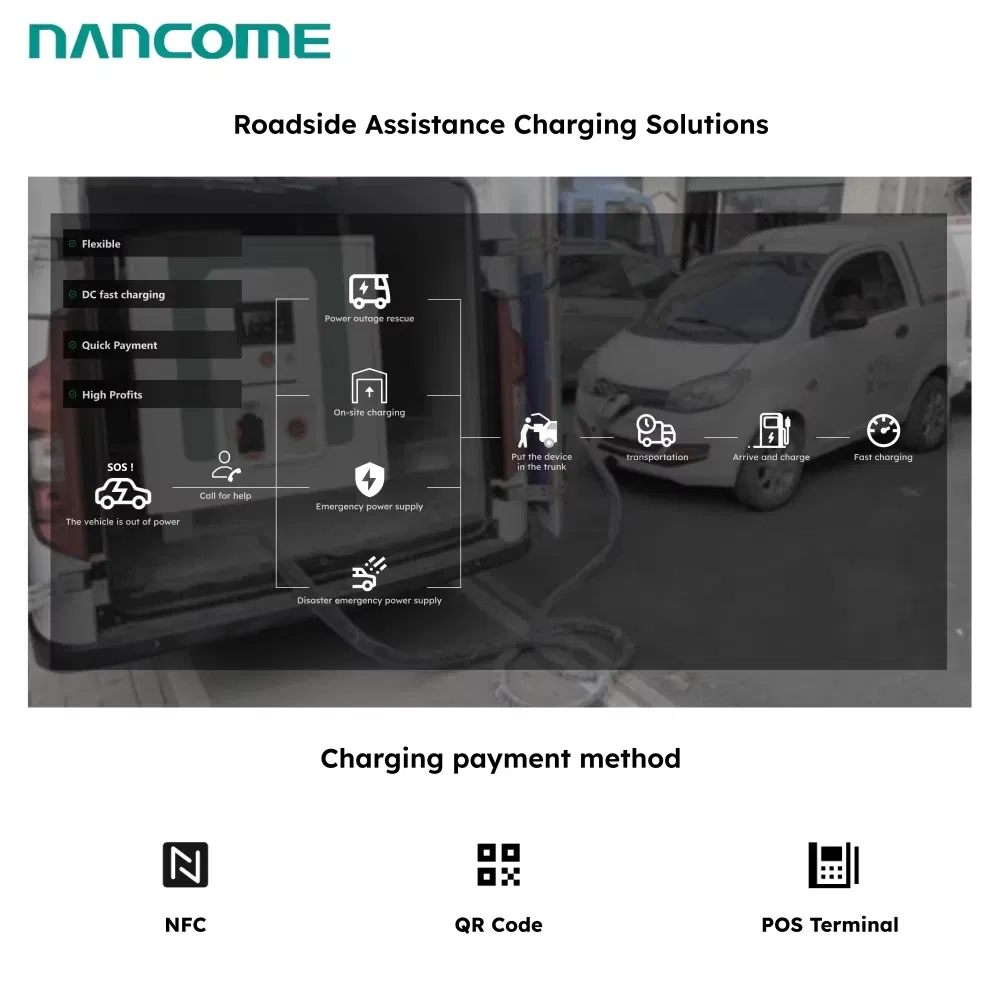
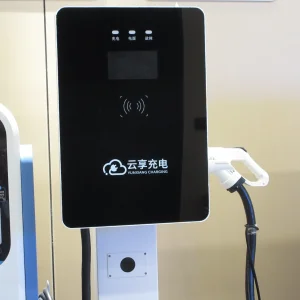
Credit Card, Mobile Remote, RFID
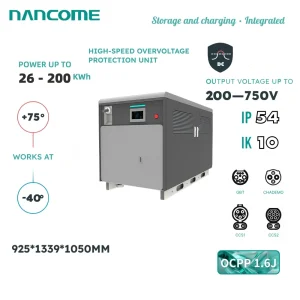
Storage Energy
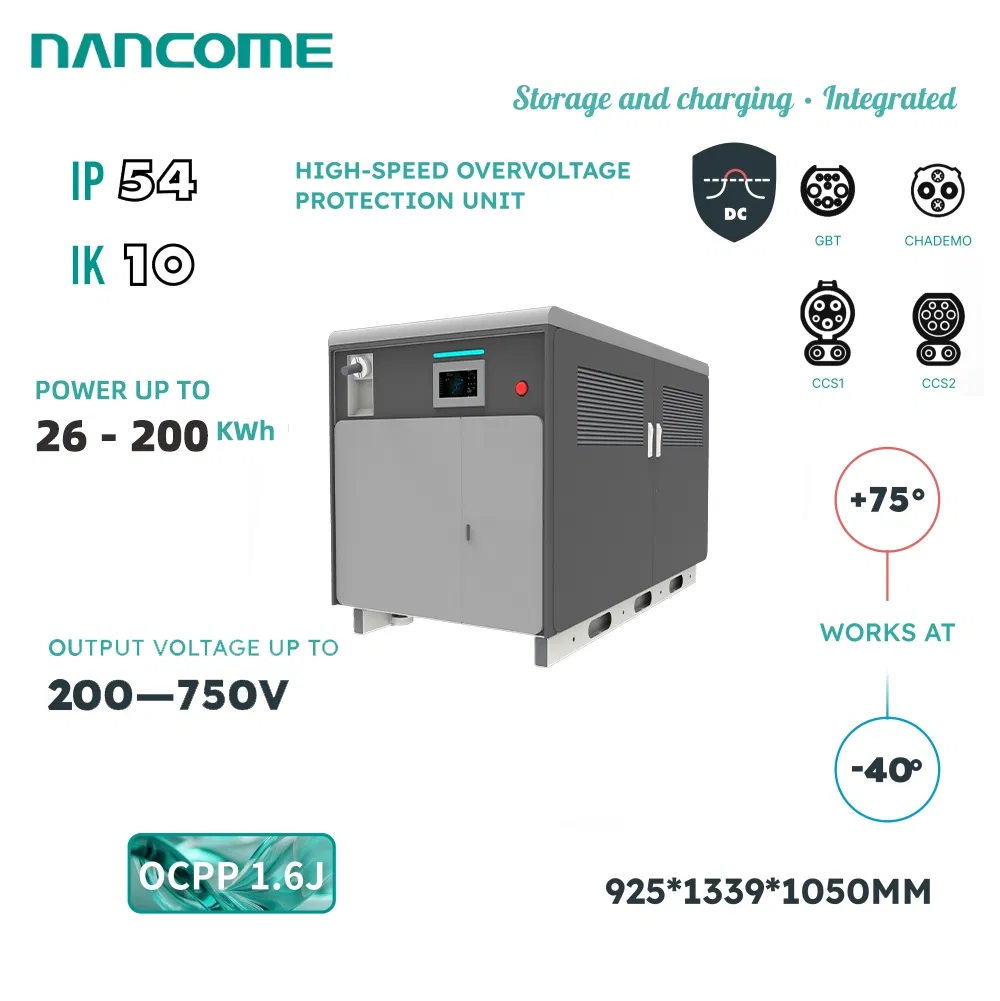
26-200kwh LiFePO4
Output Power
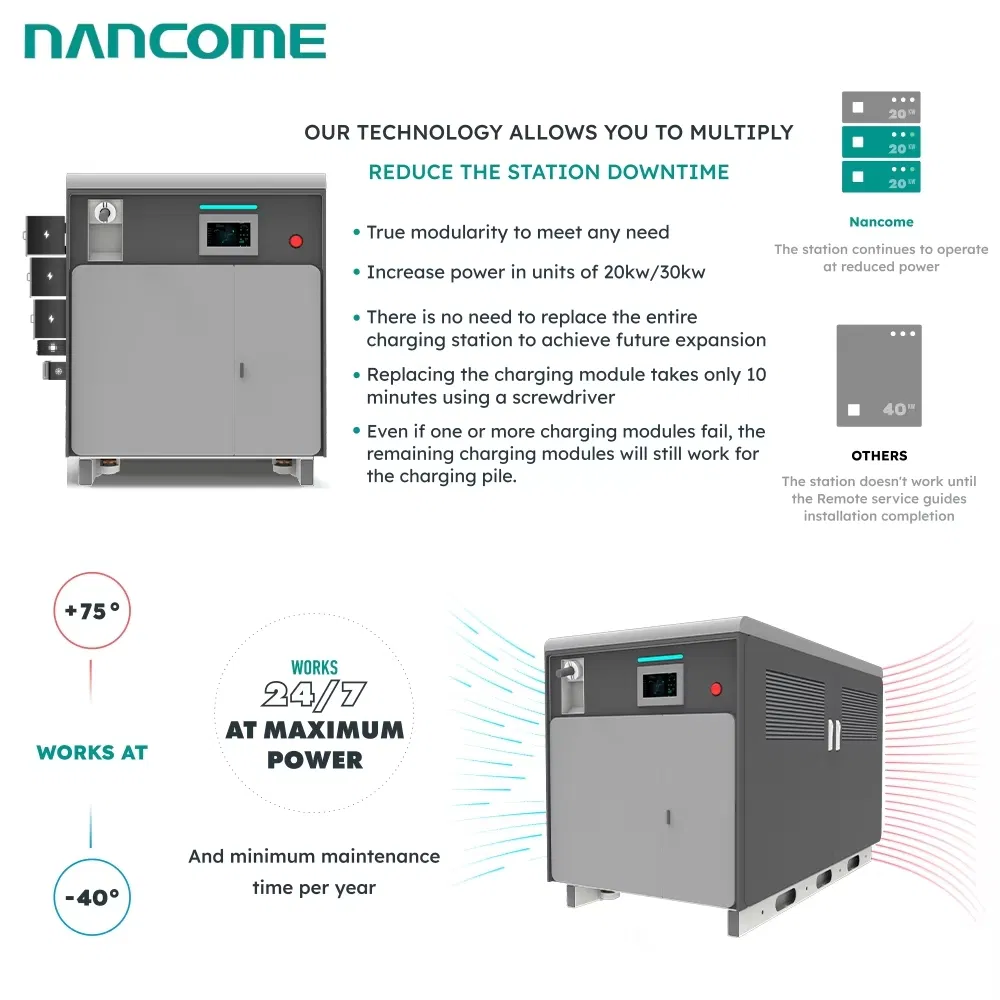
20kw-180kw Constant Power
Output Voltage
DC200V-1000V
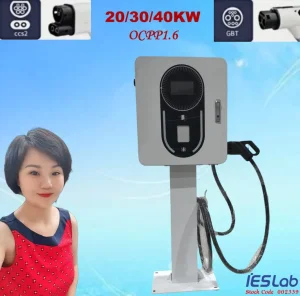
Charging Gun
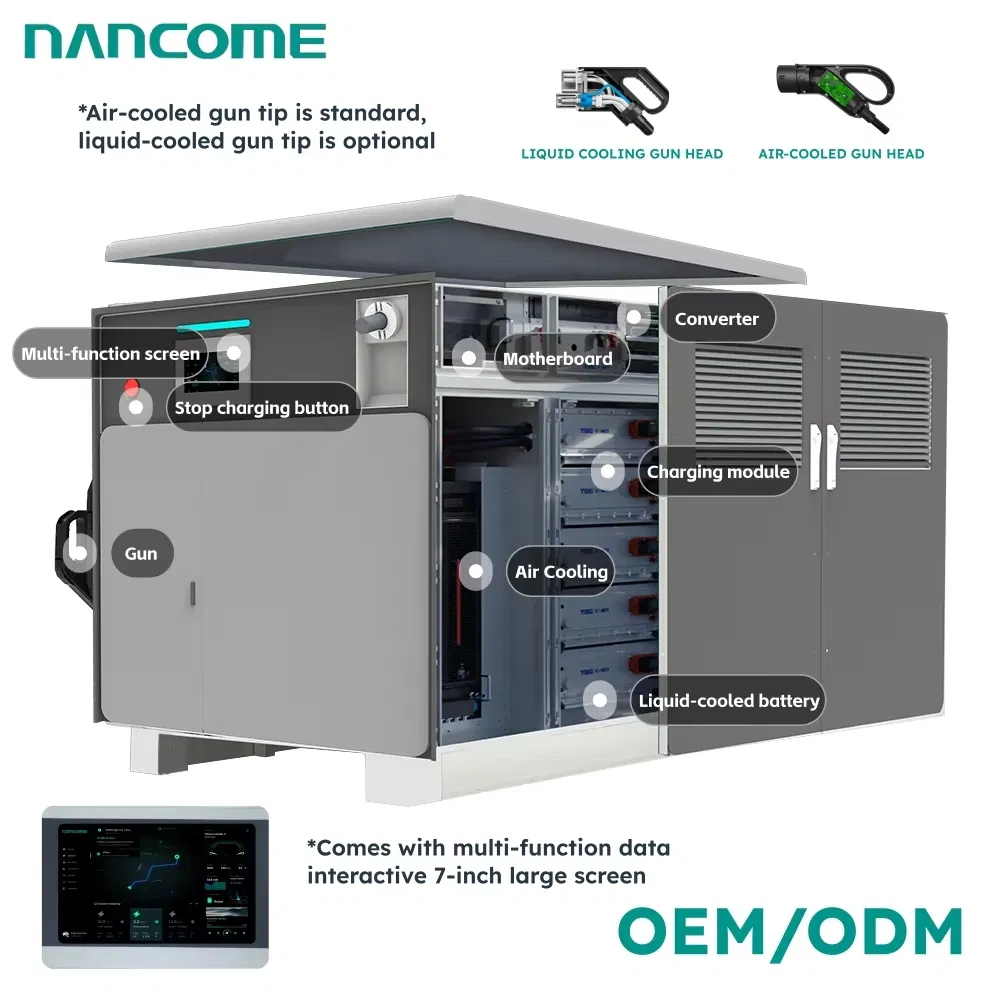
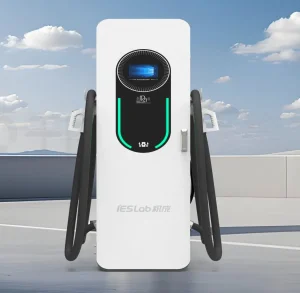
GB/T, CCS1, CCS2, Chademo Optional
Charge Method
AC 220V/AC 380V
FAQ
Are you a factory or trading company?
Yes, we are a professional manufacturer specializing in low and high voltage power distribution cabinets, control cabinets, complete automation systems, EV chargers, and energy storage equipment with over 30 years of production experience.
Which charging interfaces are compatible with your systems?
Our systems are compatible with CCS1, CCS2, GB/T, and CHAdeMO standards, supporting most mainstream electric vehicles worldwide.
Can the system be remotely monitored and diagnosed?
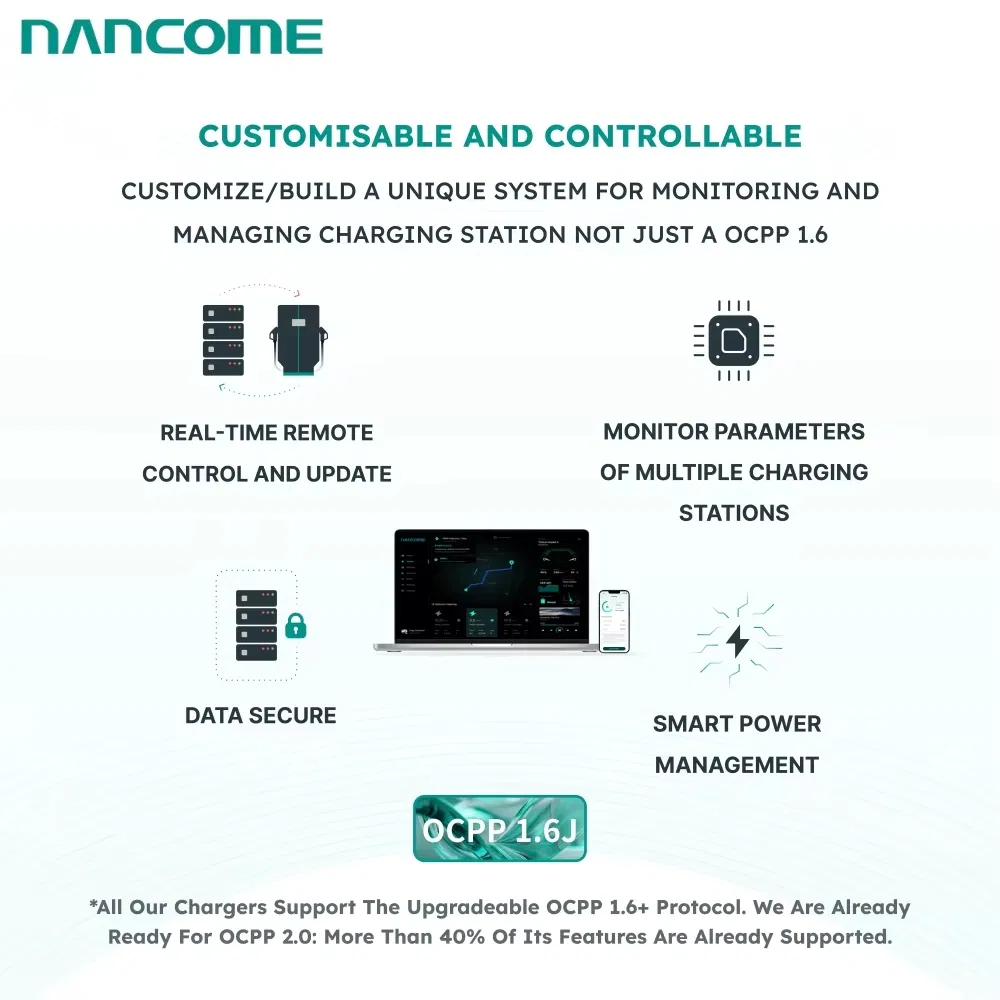
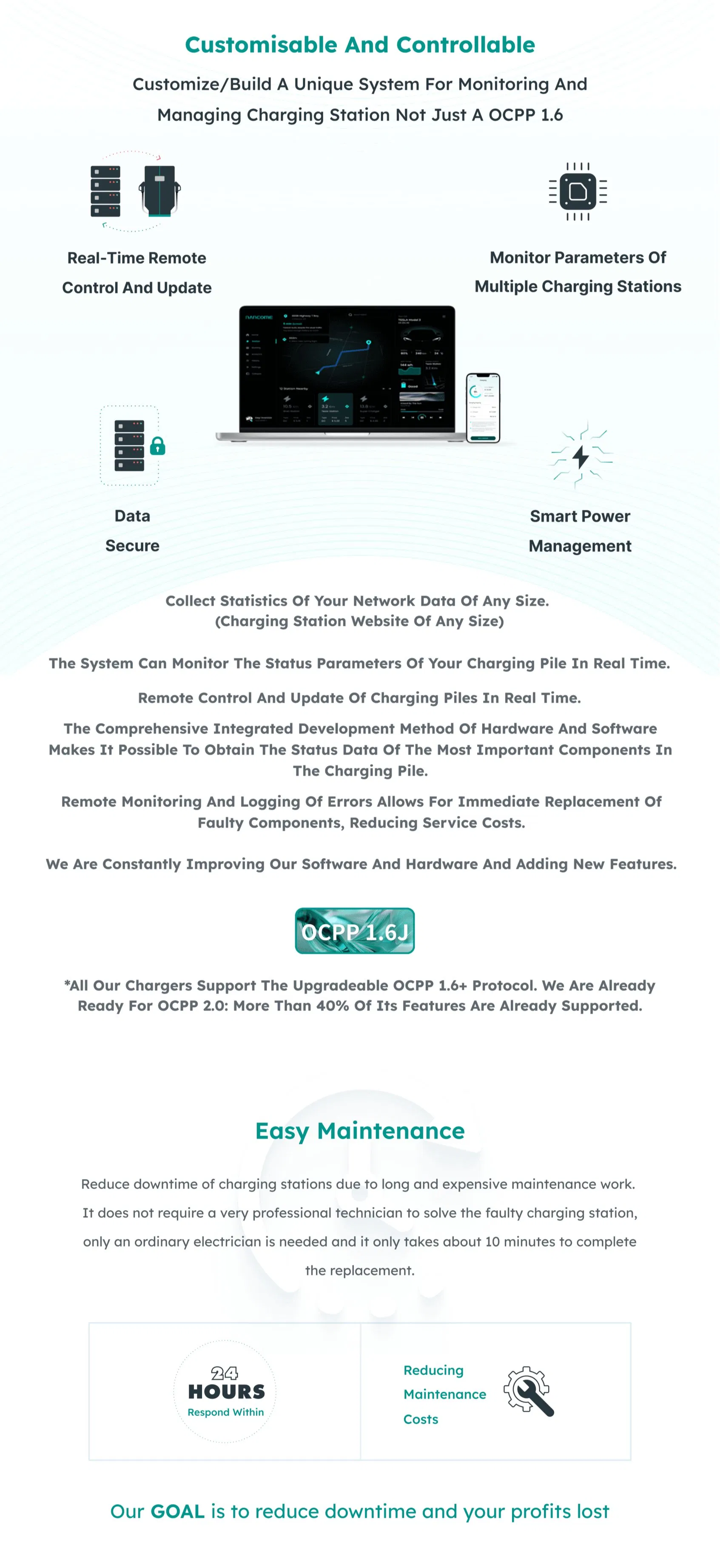
Yes, our solutions include cloud-based platform support, enabling real-time monitoring, remote diagnostics, and automated alerts.
How does the system respond to grid instability or power outages?
The system can be equipped with energy storage and diesel backup. It automatically switches power sources during outages to ensure continuous charging operation.
Can the storage system help reduce energy costs?
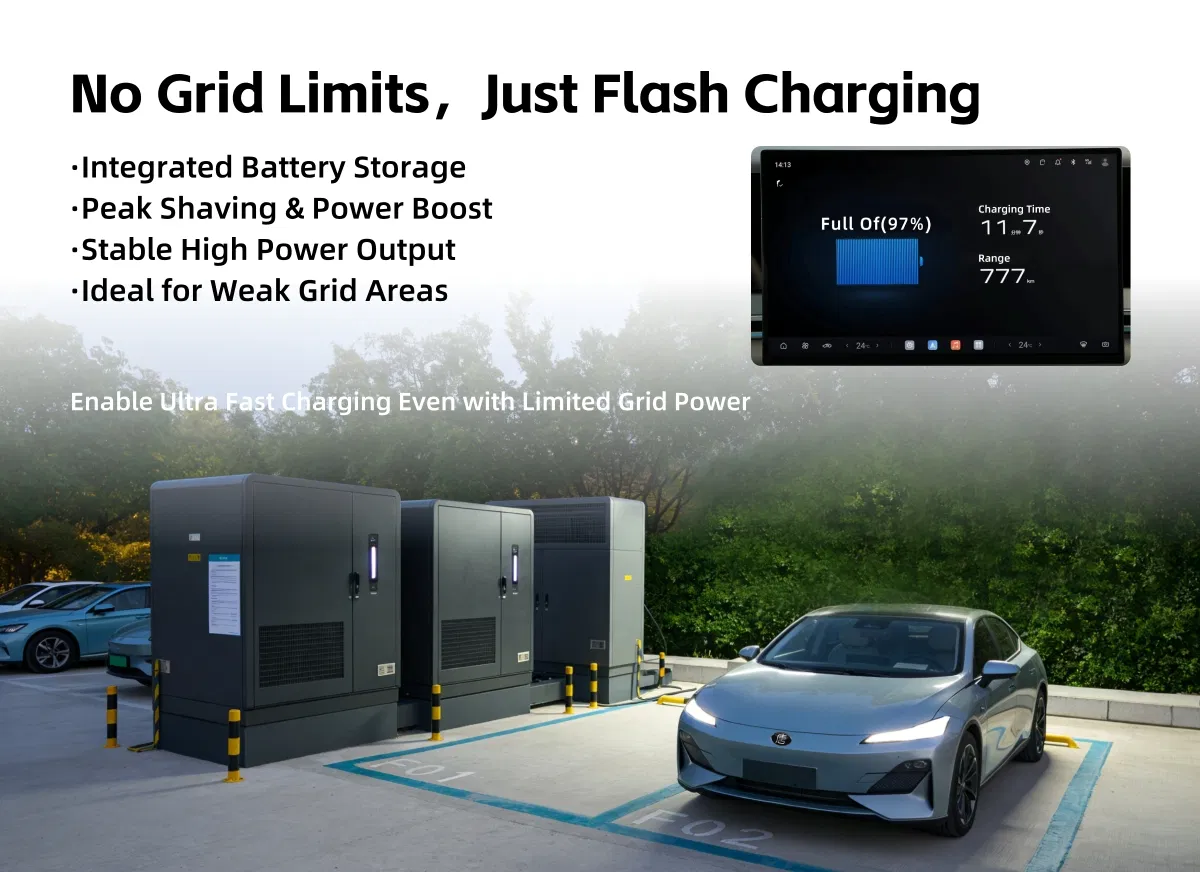
Absolutely. The system supports peak-shaving and valley-filling strategies to reduce power bills by utilizing stored energy during peak electricity rate periods.
What is the expected service life of these systems?
The typical system lifespan is 8–10 years. The integrated storage batteries support over 3000 cycles, offering long maintenance intervals and reliable performance.
 VoltEdge Charging