Engineered for high temperature tolerance, unstable grid protection, and seamless solar integration in Western Uganda.
Mbarara City, recognized as the commercial and industrial capital of Western Uganda, is undergoing a profound economic transformation. Positioned strategically along the Trans-African Highway corridor connecting Kampala to Rwanda, the Democratic Republic of Congo, and Tanzania, Mbarara serves as the regional axis for trade, logistics, agricultural processing, and hospitality. As urban mobility shifts toward electrification across Sub-Saharan Africa, Mbarara is uniquely situated to become a regional beacon for Electric Vehicle (EV) adoption.
However, scaling EV infrastructure in Mbarara requires addressing specific localized operational environments. The local grid managed by UMEME faces voltage fluctuations, periodic power sags, and transformer overload during peak hours. Furthermore, Mbarara’s tropical equatorial climate brings high ambient temperatures, heavy rainfall seasons, and dust exposure during dry periods. Standard residential AC chargers fail to meet the rigorous demands of commercial fleet operators, EV taxi syndicates, hotel hubs, and private logistics depots operating in the area.
Key Technical Requirement for Mbarara Market: Wall-mounted EV chargers in Western Uganda must feature wide input voltage tolerance (304V–456V AC), integrated dynamic load balancing, solar microgrid connectivity, and robust IP54/IP65 ingress protection to maintain zero operational downtime during lightning surges or seasonal downpours.
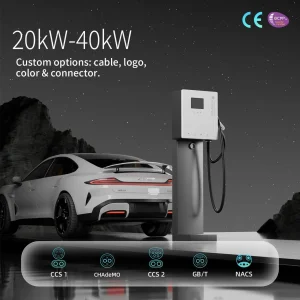
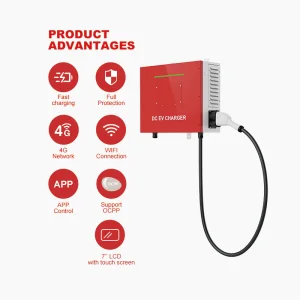
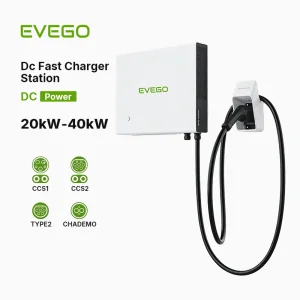
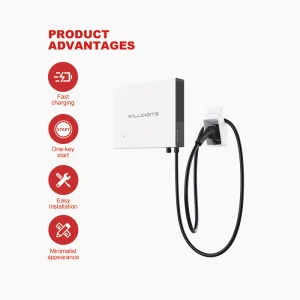
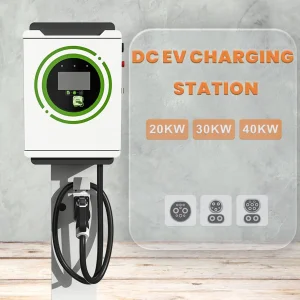
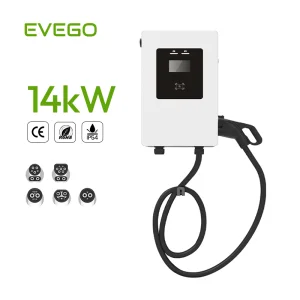
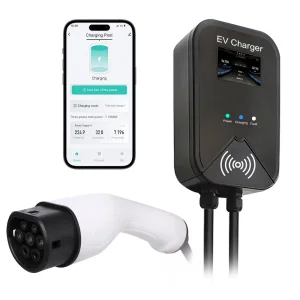
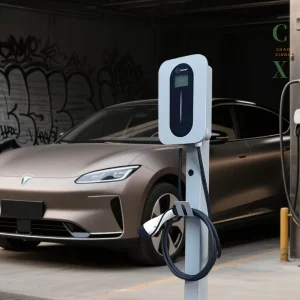
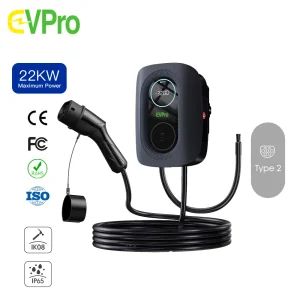
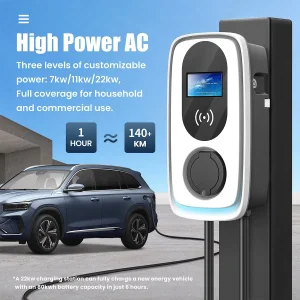
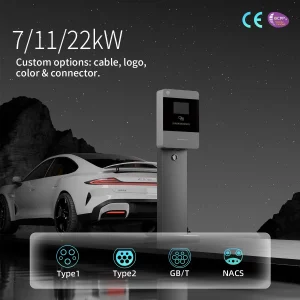
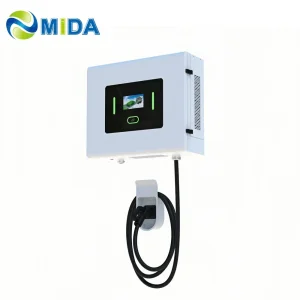
Space optimization is paramount in high-density commercial centers such as Mbarara’s Central Business District, High Street, and the Mbarara Industrial Park. Traditional pedestal-style public fast chargers demand substantial spatial footprints, specialized civil engineering foundations, and costly subterranean wiring. In contrast, heavy-duty Wall-Mounted DC Fast Chargers (20kW to 40kW) and high-speed Wall-Mounted AC Chargers (7kW to 22kW) offer significant structural advantages:
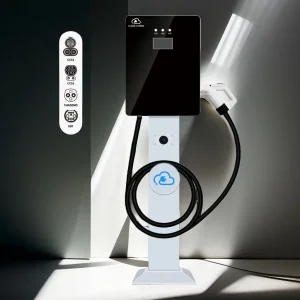
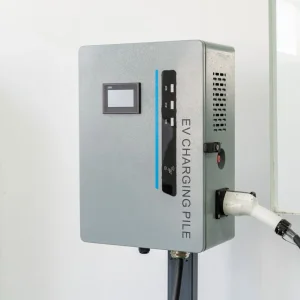
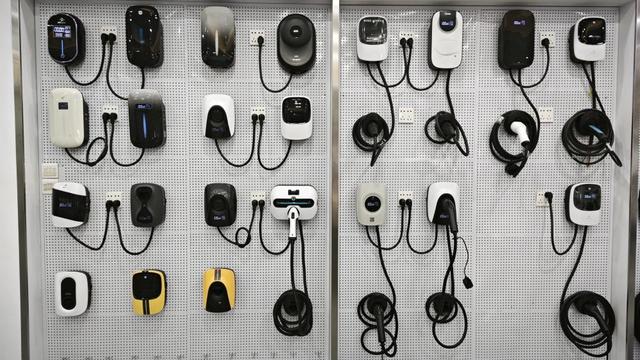
Heavy-duty charging piles optimized for high-throughput commercial operations, logistics hubs, and executive parking facilities.
Selecting the optimal charging architecture requires aligning electrical input capability, battery management protocols (BMS communication), and commercial return on investment (ROI). Below is a comprehensive engineering specification matrix for Hangzhou VoltEdge wall-mounted systems supplied to the Mbarara ecosystem.
| Specification Parameter | 20kW Wall-Mounted DC Charger | 30kW / 40kW Compact DC Wallbox | 7kW / 11kW / 22kW Smart AC Wallbox |
|---|---|---|---|
| Primary Application | Commercial Fleets, Hotels, Retail Parks | Rapid Urban Hubs, Taxi Terminals | Residential Estates, Workplace Overnight |
| Input Voltage Range | 380V AC ± 15% (3-Phase) | 400V AC ± 15% (3-Phase) | 230V AC (1-Ph) / 400V AC (3-Ph) |
| Output Voltage | 150V – 1000V DC (Wide Range) | 200V – 1000V DC (High Voltage) | 230V / 400V AC Standard |
| Connector Standard | CCS1, CCS2, GB/T Dual Gun | CCS2, GB/T, NACS Optional | Type 2 (IEC 62196-2), Type 1 |
| Peak Efficiency | ≥ 95.8% | ≥ 96.5% Module Efficiency | ≥ 98.5% |
| Communication Protocol | OCPP 1.6 JSON / OCPP 2.0.1 Ready | OCPP 1.6 JSON / 4G / Ethernet | OCPP 1.6 / Wi-Fi / Bluetooth / App |
| Protection Grade | IP54 Dust & Splash Resistant | IP54 Outdoor Rated (IK10 Impact) | IP65 Waterproof Enclosure |
| Grid Adaptation | Dynamic Load Balancing + Solar Microgrid | Anti-Surge & Phase Loss Protection | Smart Time-of-Use (ToU) Off-Peak |
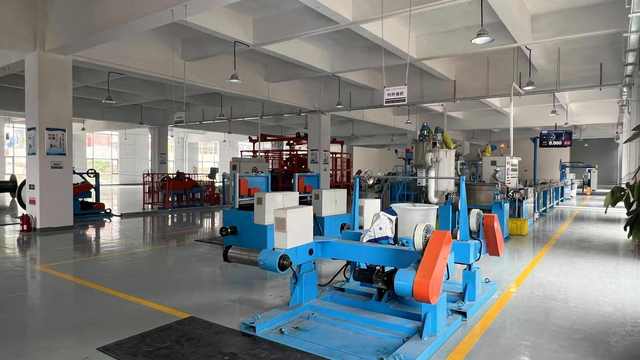
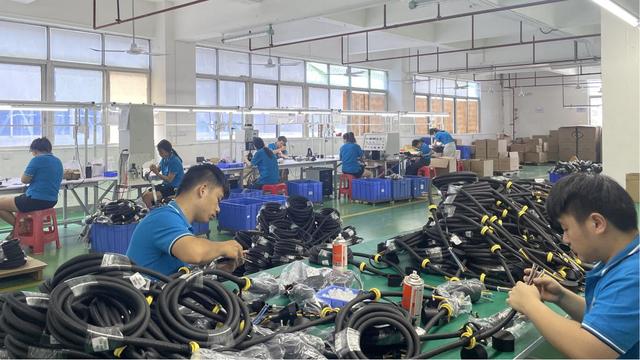
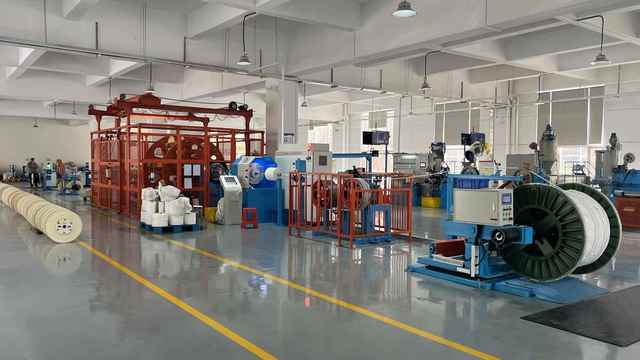
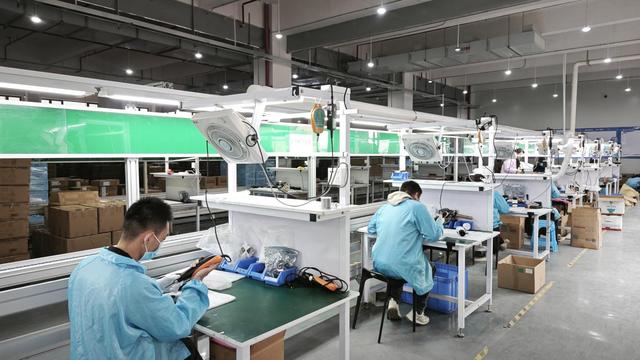
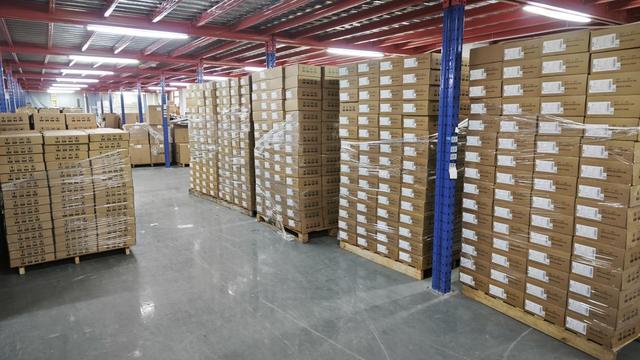
Hangzhou VoltEdge Charging Co., Ltd. stands at the forefront of global EV charging infrastructure manufacturing. Operating from Hangzhou, China’s primary technological innovation hub, VoltEdge leverages a world-class electronics supply chain, automated SMT production lines, and rigorous quality assurance protocols to engineer EV chargers that lead the market in reliability and cost-performance.
For distributors, engineering procurement contractors (EPCs), and municipality partners in Mbarara and East Africa, sourcing directly from Hangzhou VoltEdge provides distinct strategic advantages:
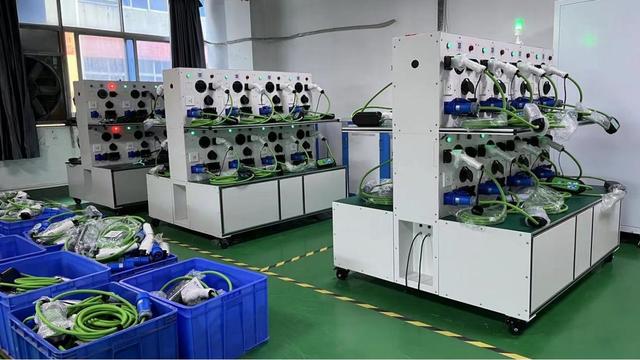
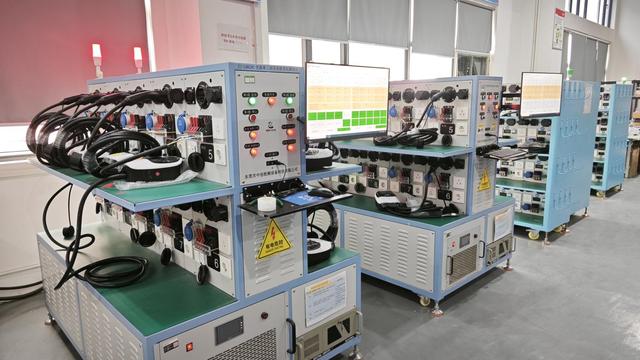
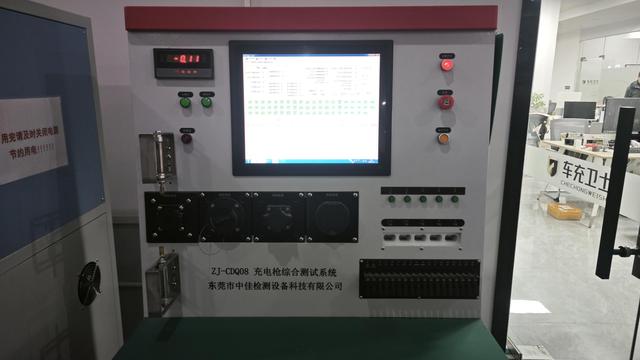
Our ISO9001 and ISO14001 certified manufacturing facility houses automated component assembly, high-pot isolation testing, and automated burn-in aging chambers, ensuring zero-defect manufacturing.
China’s centralized power electronics supply chain allows VoltEdge to deliver premium TUV-certified chargers at a fraction of European or North American manufacturing costs, accelerating project payback periods in Mbarara.
From customized metal casing finishes and localized UI software (supporting English, Swahili, and Luganda operational interfaces) to proprietary OCPP server integration, VoltEdge delivers custom solutions built to client specifications.
VoltEdge charging modules are designed with high-density power topology, utilizing silicon carbide (SiC) MOSFETs to minimize thermal losses. This allows our wall-mounted DC units to maintain full rated power output even in high ambient temperatures without thermal throttling—a crucial feature for long-term stability in Western Uganda.

Deploying wall-mounted EV chargers in Mbarara demands a targeted approach matching regional commercial patterns. Below are key deployment models engineered for Western Uganda’s growing market:
With high solar irradiance in Mbarara, business parks along the Mbarara-Masaka road can couple roof solar arrays with VoltEdge 30kW/40kW Wall-Mounted DC Chargers equipped with OCPP microgrid software. This reduces dependence on grid power during peak utility pricing periods.
Hotels catering to business travelers and safari tourists traveling toward Queen Elizabeth National Park can install VoltEdge 11kW/22kW AC Wallboxes. Guests recharge overnight, generating auxiliary revenue for hoteliers through mobile payment app integration (MTN Mobile Money, Airtel Money).
As electric two-wheelers, three-wheelers, and electric light vans enter the Mbarara transit hub, high-duty 20kW DC Fast Chargers mounted on depot walls allow quick 30-minute top-ups during driver shift changes.
Luxury residential developments in Mbarara’s Kamukuzi and Ruharo suburbs are adopting VoltEdge 7kW Smart AC Chargers with RFID access controls, providing secure, reliable domestic charging for private electric vehicle owners.
Commercial stakeholders evaluating EV charging equipment suppliers in the Mbarara market must look beyond initial hardware acquisition costs. A comprehensive Total Cost of Ownership evaluation includes installation overhead, transformer headroom, maintenance frequency, and software licensing fees.
Financial Impact: VoltEdge wall-mounted chargers reduce total setup costs by up to 40% compared to floor-standing kiosks, while maintaining high power density and reliable operations in sub-Saharan grid environments.
Explore our full range of AC smart wallboxes and high-efficiency DC fast chargers engineered for international standards.
Expert insights on technical specifications, grid compatibility, ordering procedures, and regional installation.
Whether you are a commercial property owner, EV fleet operator, microgrid installer, or regional distributor in Western Uganda, Hangzhou VoltEdge provides certified, high-performance wall-mounted chargers tailored to your project requirements.
Send Inquiry Now VoltEdge Charging