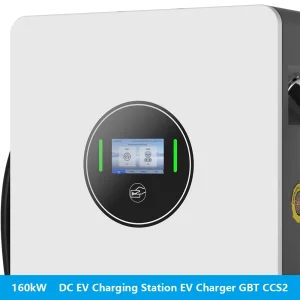
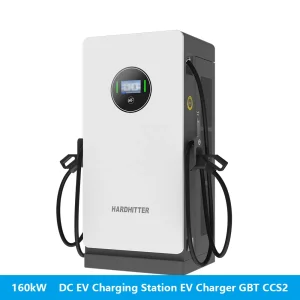
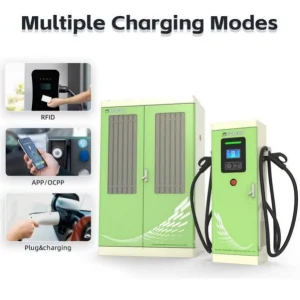
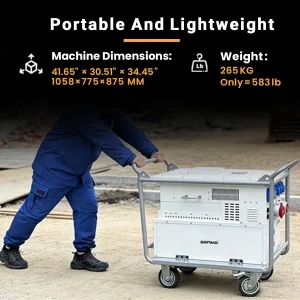
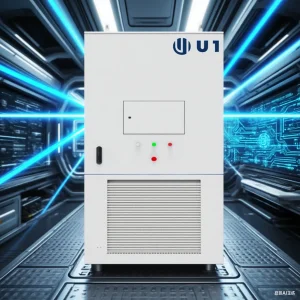
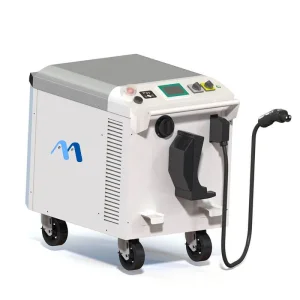
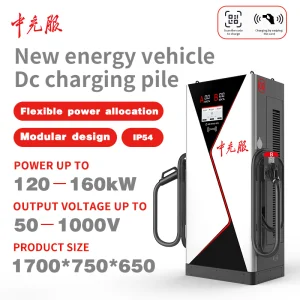
Munich, the epicenter of Germany's automotive prowess and home to industry titans like BMW and Siemens, is currently undergoing a radical transformation toward Zero-Emission Zones. As the Munich city administration pushes for the electrification of public transport and logistics fleets, the demand for Ultra Fast Charging Systems (HPC) has skyrocketed. Our role as a premier supplier and exporter is to bridge the gap between high-power demand and grid stability.
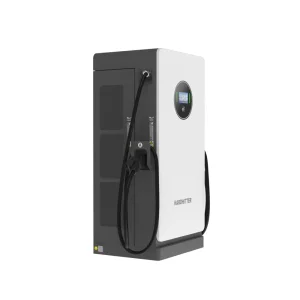
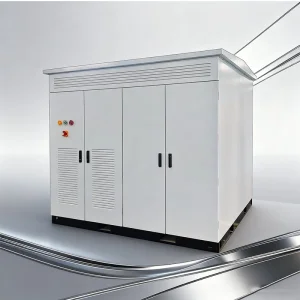
The Munich market is unique due to its stringent "Eichrecht" (Calibration Law) requirements and the need for seamless integration with European standard CCS2 protocols. By providing 1.2MW liquid-cooled systems, we ensure that Munich's heavy-duty logistics hubs can recharge electric trucks in under 20 minutes, maintaining the "Just-in-Time" delivery cycles essential to the Bavarian economy.
Peak Output Capacity
Energy Efficiency Rating
Charging for 400km Range
CE & TUV Compliance
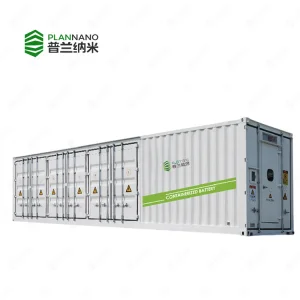
Globally, the transition from standard 50kW DC chargers to Megawatt Charging Systems (MCS) is the next frontier. Markets in North America and Asia are already deploying our 8MW Lithium Titanate (LTO) energy storage systems to buffer the grid against the massive spikes caused by simultaneous ultra-fast charging. This experience allows us to bring "Proven Expertise" to the Munich market, ensuring that local infrastructure can handle the electrification of heavy-duty transit without requiring massive grid upgrades.
Traditional air-cooled cables are too heavy and bulky for the 500A+ currents required for ultra-fast charging. Our Liquid-Cooled Technology, refined through years of R&D, uses a specialized coolant circulation system to keep the charging cable slim and manageable while preventing thermal throttling. This is particularly vital in Munich’s varying climate, ensuring consistent performance from the cold Alpine winters to the summer heatwaves.
For any supplier exporting to the Munich market, compliance isn't just a buzzword—it's a legal mandate. Our systems are engineered to meet:
Phase 1: Grid-Edge Buffering (Current)
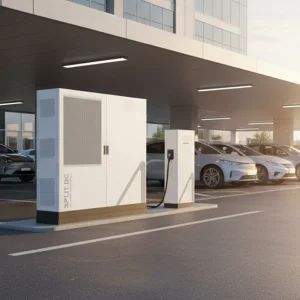
Integrating BESS (Battery Energy Storage Systems) with chargers to prevent peak-demand charges for Munich enterprises.
Phase 2: V2X & Smart Microgrids (2026+)
Enabling Munich's electric fleets to act as mobile batteries, feeding energy back to the grid during peak hours.
Phase 3: AI-Driven Load Balancing
Utilizing AI to predict charging patterns at Munich transit hubs, optimizing energy flow and reducing operational costs by up to 30%.
Phase 4: Wireless Dynamic Charging
Exporting high-frequency power modules for future-proofed "charging-while-driving" pilot projects on Bavarian highways.
Hangzhou VoltEdge Charging Co., Ltd. is a professional EV charging station manufacturer specializing in DC fast chargers and smart charging solutions for global electric mobility markets. With a strong focus on innovation, efficiency, and sustainability, the company provides advanced charging technologies designed to support the rapid growth of electric vehicles across residential, commercial, and public infrastructure sectors.
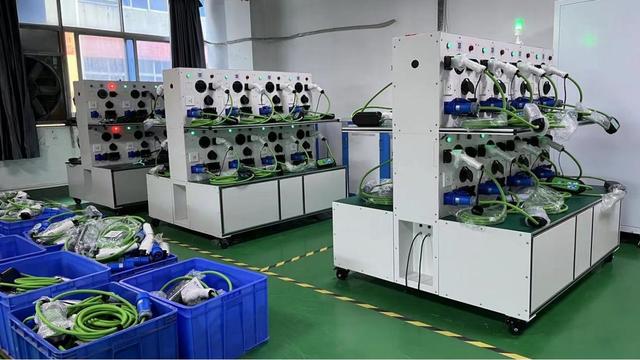
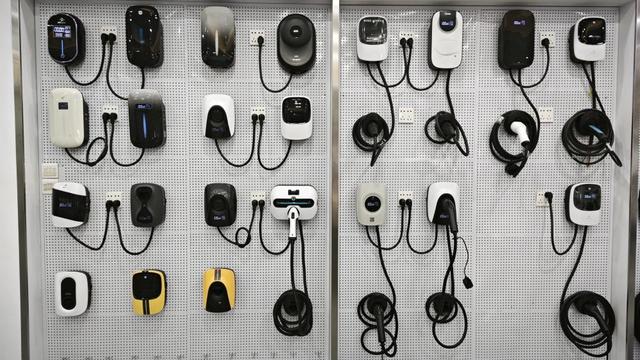
VoltEdge offers a comprehensive portfolio including DC fast charging stations, AC chargers, high-power charging modules, smart charging controllers, and integrated energy management systems. Its solutions are engineered to deliver high efficiency, stable performance, and seamless compatibility with various electric vehicle standards, making them ideal for fleet operations, highway charging networks, urban charging hubs, and private installations.
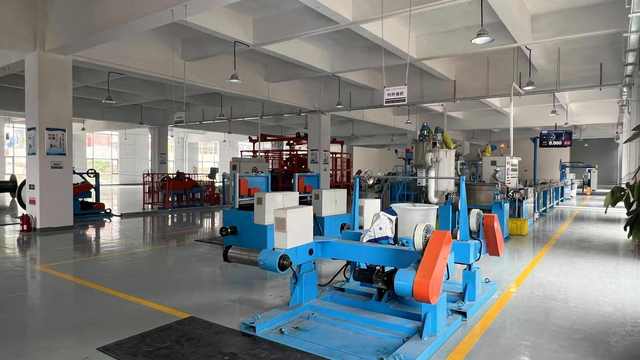
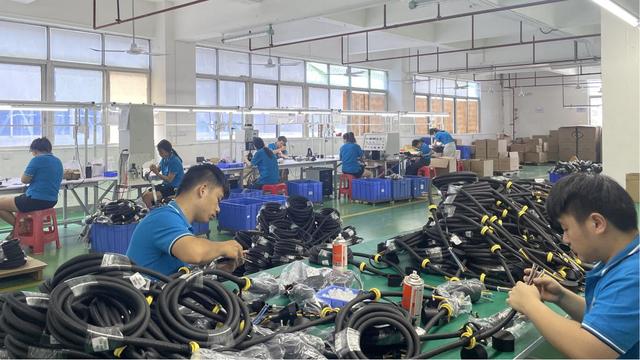
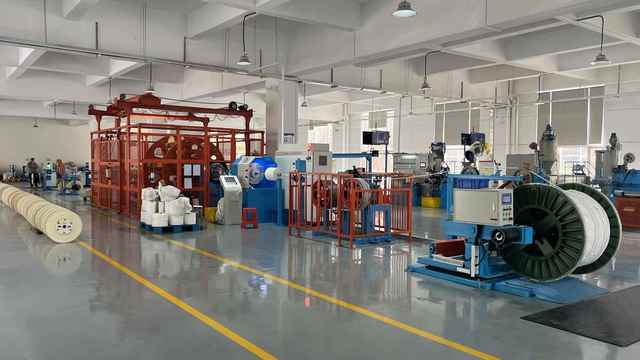
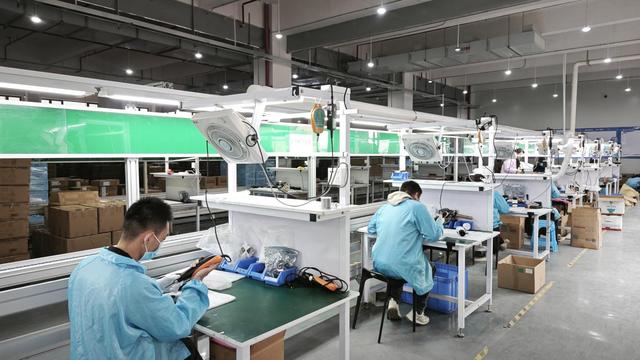
Equipped with modern production facilities and strict quality control systems, VoltEdge ensures reliable manufacturing and consistent product performance. The company supports global clients with flexible OEM and ODM services, offering customized designs, software integration, branding, and scalable charging solutions tailored to diverse project requirements.
Committed to driving the future of clean energy transportation, Hangzhou VoltEdge Charging Co., Ltd. continues to expand its international presence, delivering intelligent, safe, and high-performance EV charging infrastructure solutions worldwide.
 VoltEdge Charging