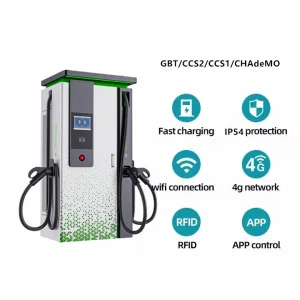
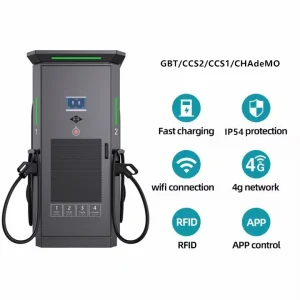
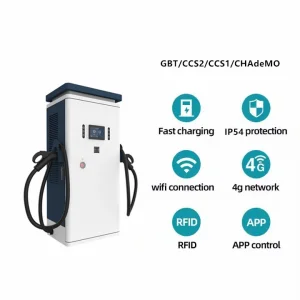
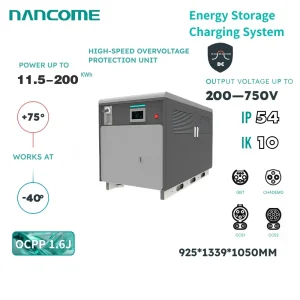
Engineered to support Damascus and regional infrastructures with superior OCPP compatibility and advanced energy management.
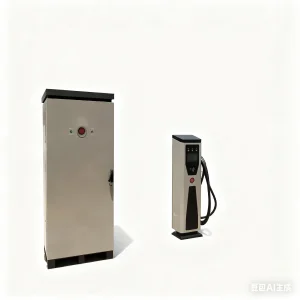

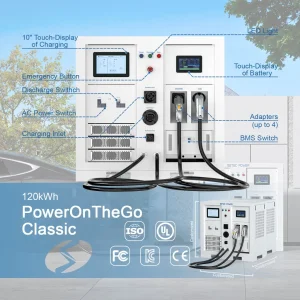
Analyzing the unique operational requirements of Syria's electric vehicle ecosystem and the critical role of OCPP-enabled systems.
Developing a reliable electric vehicle (EV) charging network within the Damascus market requires navigating a complex blend of rapid technological progression and structural grid challenges. As the capital of Syria, Damascus is experiencing a resurgence of commercial interest and infrastructure development. However, the local grid infrastructure faces systemic volatility, including frequent power fluctuations and planned load shedding. Consequently, standard, non-intelligent EV charging devices cannot support long-term operations here. The modern solution lies in OCPP-compliant (Open Charge Point Protocol) systems paired with integrated Battery Energy Storage Systems (BESS).
Under these local conditions, OCPP 1.6J and OCPP 2.0.1 serve as critical operational protocols. By leveraging OCPP capabilities, local network operators in Damascus can dynamically manage charging loads, prioritize power distribution, and seamlessly coordinate with microgrids, solar arrays, and energy storage reserves. This protocol is not merely a communication layer; it is the cornerstone of system reliability, enabling operators to optimize charging routines during off-peak periods, implement peak-shaving, and protect local substation hardware from catastrophic overloads.
Integrating BESS with OCPP chargers permits temporary off-grid operation. By accumulating energy during periods of stable power supply, these systems can dispatch high-power DC fast charging even during absolute grid blackouts.
OCPP protocols enable real-time smart monitoring. In commercial and industrial zones throughout Damascus, power supplies can be intelligently balanced across multiple vehicle bays, preventing localized grid failures.
Ensuring end-to-end security via OCPP 1.6J/2.0.1 encryption protocols prevents malicious network intrusions, providing safe transactional networks for municipal systems and private logistics fleets.
How procurement managers, private developers, and municipal bodies align with international standards.
Procuring charging systems for the Damascus market demands strict adherence to rigorous engineering guidelines. Global sourcing managers targeting this region focus heavily on thermal tolerance, voltage flexibility, and modular expandability. Standard European or Asian specifications must be meticulously adjusted to accommodate the wide temperature ranges and highly unpredictable power profiles of the Levant.
In Damascus, procurement priorities typically focus on:
• Wide Input Voltage Tolerances: Charging units must handle severe under-voltage and over-voltage scenarios without tripping safety circuits permanently or damaging internal rectifiers.
• Modular Rectifier Designs: Systems with hot-swappable power modules ensure that if one component fails, the charging station remains operational at a reduced capacity rather than shutting down completely.
• Multi-Standard Connectivity: Stations must support diverse interfaces, including CCS2, CHAdeMO, and GBT, to handle vehicles arriving from both European and Asian manufacturing channels.
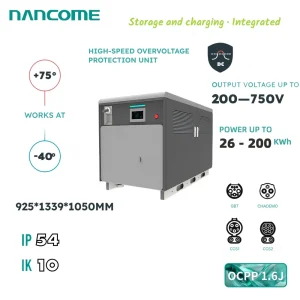
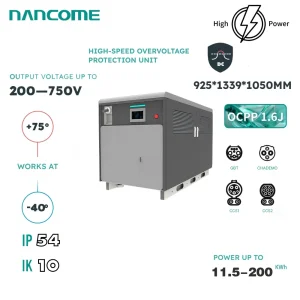
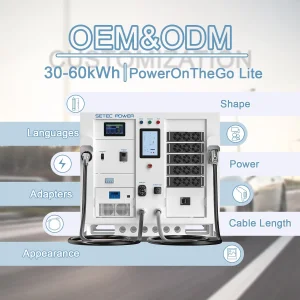
Exploring the technical progression from OCPP 1.6J to advanced ISO 15118 vehicle-to-grid integration in localized microgrids.
In developing markets, charging architecture must be designed to withstand future upgrades. Rather than implementing simple plug-and-charge units that quickly become obsolete, VoltEdge installs future-proofed hardware ready to handle emerging communication standards. The transition from OCPP 1.6J to OCPP 2.0.1 brings advanced device management, improved security keys, and highly detailed billing and diagnostic features that are essential for commercial fleets operating in Syria.
Furthermore, integrating the ISO 15118 standard enables "Plug & Charge" features and sets the stage for Vehicle-to-Grid (V2G) and Vehicle-to-Building (V2B) capabilities. In Damascus, where commercial buildings frequently resort to generator backup power, V2G turns the electric vehicle fleet into a distributed energy storage resource. During critical grid shortages, connected EVs can return power to the building, enhancing overall resilience.
Deep engineering expertise and strict quality control standards backing every deployment.
Hangzhou VoltEdge Charging Co., Ltd. is a professional EV charging station manufacturer specializing in DC fast chargers and smart charging solutions for global electric mobility markets. With a strong focus on innovation, efficiency, and sustainability, the company provides advanced charging technologies designed to support the rapid growth of electric vehicles across residential, commercial, and public infrastructure sectors.
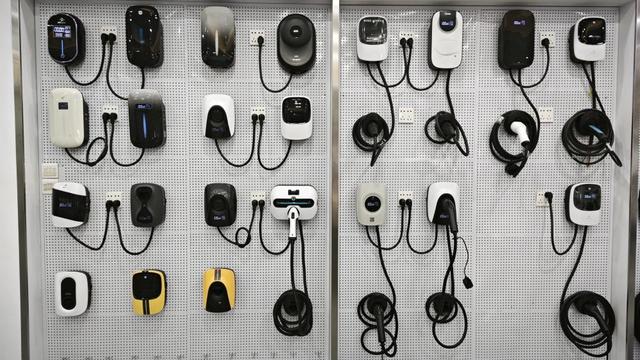
VoltEdge offers a comprehensive portfolio including DC fast charging stations, AC chargers, high-power charging modules, smart charging controllers, and integrated energy management systems. Its solutions are engineered to deliver high efficiency, stable performance, and seamless compatibility with various electric vehicle standards, making them ideal for fleet operations, highway charging networks, urban charging hubs, and private installations.
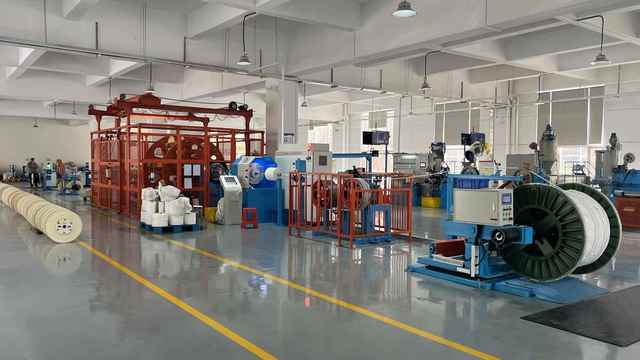
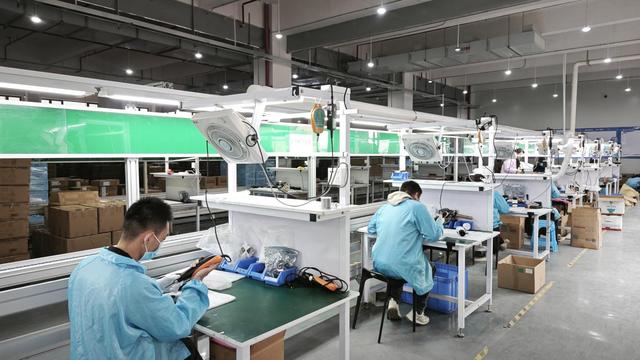
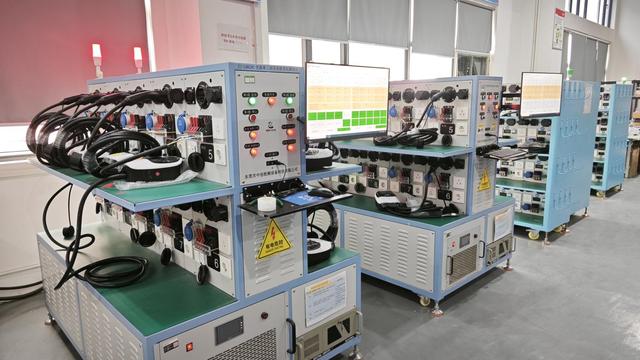
Equipped with modern production facilities and strict quality control systems, VoltEdge ensures reliable manufacturing and consistent product performance. The company supports global clients with flexible OEM and ODM services, offering customized designs, software integration, branding, and scalable charging solutions tailored to diverse project requirements.
Committed to driving the future of clean energy transportation, Hangzhou VoltEdge Charging Co., Ltd. continues to expand its international presence, delivering intelligent, safe, and high-performance EV charging infrastructure solutions worldwide.
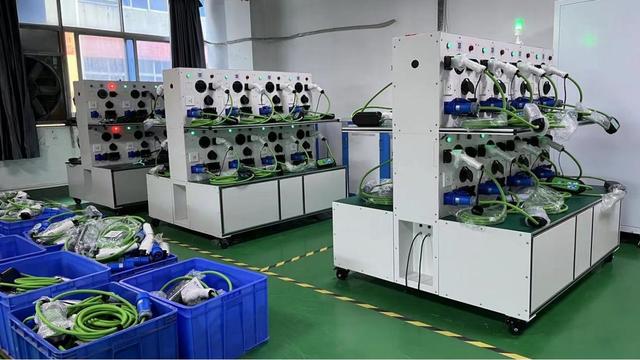
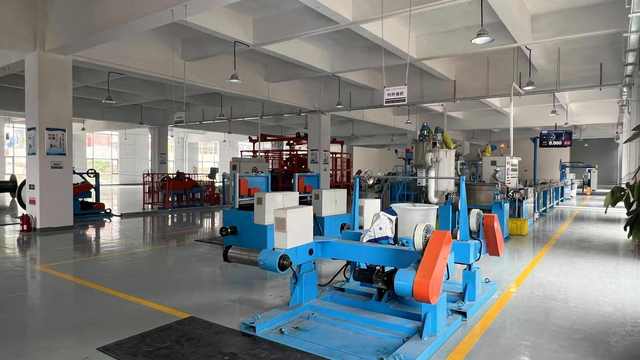
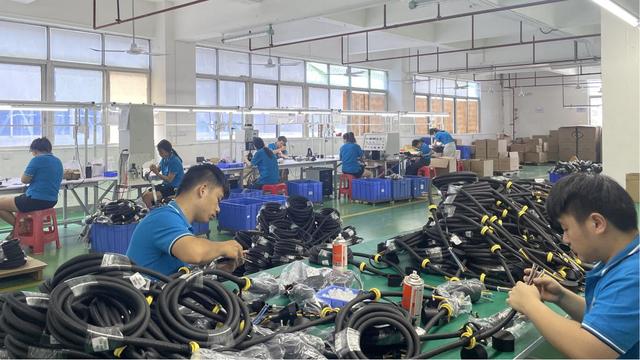

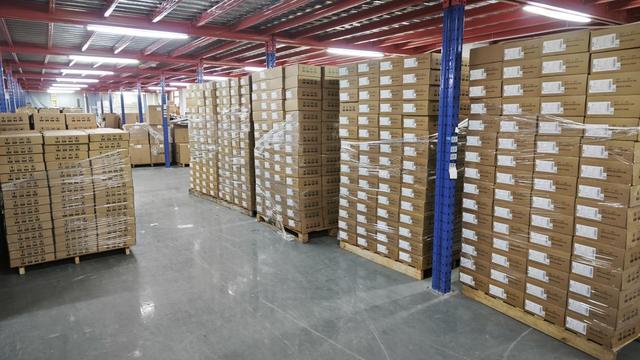
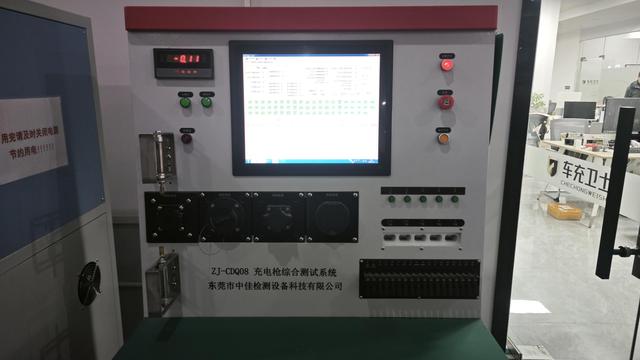
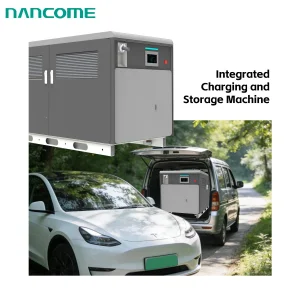
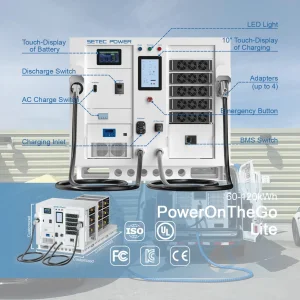
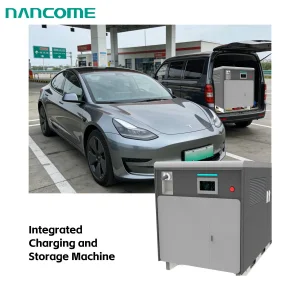
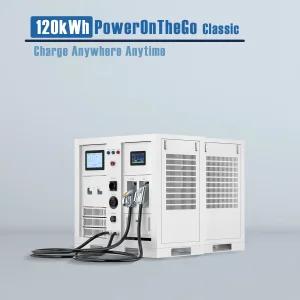
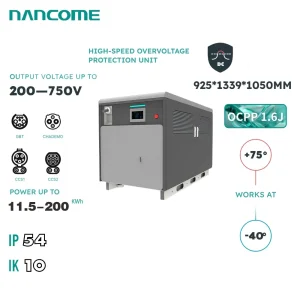
Robust, field-tested systems featuring high integration, smart dynamic balancing, and mobile energy flexibility.

Navigating certification paths, hardware isolation, and integration challenges in the Levant region.
For large-scale industrial and municipal projects in Damascus, choosing a supplier requires strict verification of safety certificates. Since local electrical standards are in development, VoltEdge relies on international benchmarks like IEC 61851 (Electric vehicle conductive charging systems) and IEC 62196 (Plugs, socket-outlets, vehicle connectors, and vehicle inlets). Adhering to these standards ensures that local developers build safe infrastructure that will remain compliant with future regulations.
Additionally, electrical systems in the Damascus market must feature high environmental resistance. High summer temperatures combined with airborne dust require dustproof and waterproof enclosures rated at IP55 or IP65. Internal cooling paths must be isolated from electronics (using liquid cooling or isolated duct designs) to prevent fine particulate matter from building up on sensitive high-voltage boards, avoiding costly maintenance and unscheduled downtime.
Direct answers to technical questions concerning the procurement, deployment, and operation of OCPP and BESS charging units in Damascus.
 VoltEdge Charging