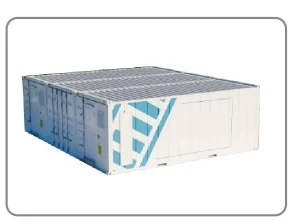
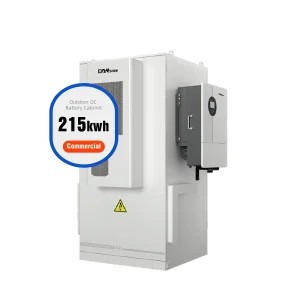
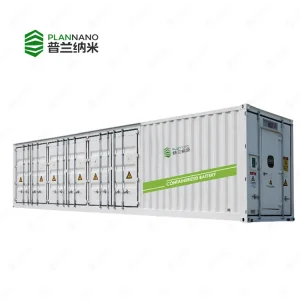
Explore our flagship commercial and utility-scale containerized battery systems engineered to withstand tropical climates and stabilize grid connections across Equatorial Guinea's mainland and islands.
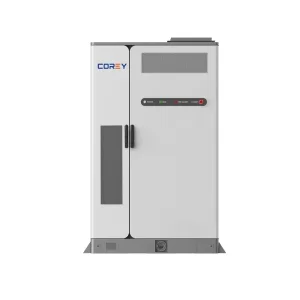
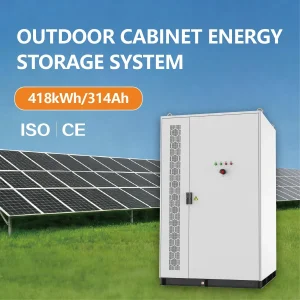
Equatorial Guinea is undergoing a critical transition in its utility and industrial energy systems. Historically reliant on heavy hydrocarbon production and diesel generators, the country's national utility, SEGESA, faces ongoing challenges in regional transmission and distribution. The geographical divide between the island region (Bioko Island, housing the capital Malabo) and the mainland region (Rio Muni, with the commercial hub Bata) demands decentralized energy architectures.
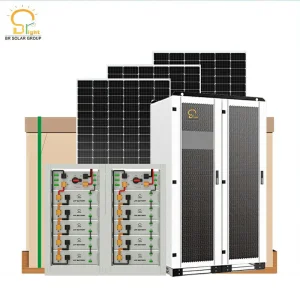
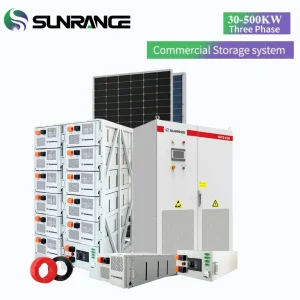
Our industrial-grade Battery Energy Storage Systems (BESS) offer key stability for equatorial climates. Large infrastructure installations in ports, petroleum extraction bases, and municipal grids require energy storage to counteract power fluctuations. By coupling utility-scale solar installations with robust lithium iron phosphate (LiFePO4) chemistries, local enterprises reduce operational dependency on imported diesel, lowering their Levelized Cost of Energy (LCOE) while significantly increasing grid reliability.
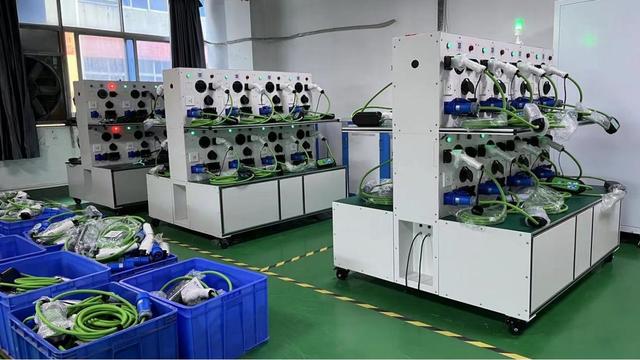
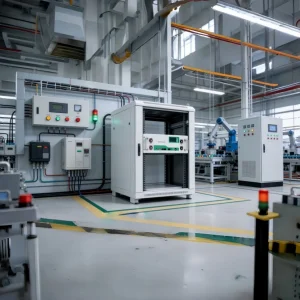
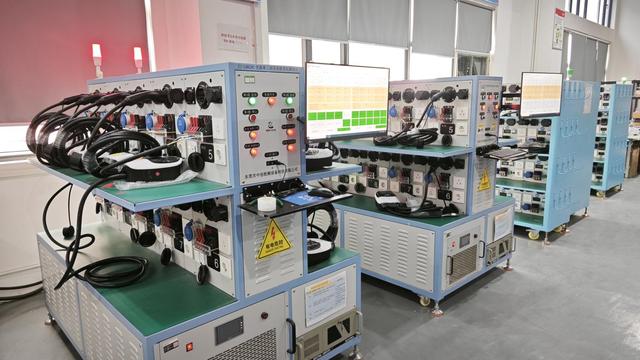
Our state-of-the-art facility engineering high-efficiency energy management and DC storage technology.
Equatorial Guinea experiences a persistent tropical rainforest climate with high temperatures (averaging 26°C to 30°C) and relative humidity frequently exceeding 90%. Under these conditions, standard battery systems degrade rapidly. Our engineering team has integrated custom solutions to ensure the highest standards of safety, longevity, and thermal management:
| Environmental Challenge | Technical Engineering Solution | Performance Safeguard |
|---|---|---|
| High Relative Humidity (>90%) | Enclosure condensation management with automated HVAC dehumidifiers and dual seal rings. | Prevents internal short-circuits and leakage currents. |
| Saline Coastal Air (Malabo/Bata Ports) | C5-M anti-corrosion marine-grade painting on external containers and structural panels. | Extends physical container lifespan beyond 20 years. |
| Elevated Ambient Temperatures | Liquid cooling loops utilizing non-conductive glycol-water mix, keeping module delta T < 3°C. | Prevents thermal runaway and improves system lifetime by 30%. |
| Frequent Power Outages & Surges | Utility-grade Hybrid PCS (Power Conversion Systems) with rapid response sub-cycle microgrid control. | Maintains voltage stability without operational interruptions. |
In high-ambient tropical environments, conventional forced air cooling struggles to dissipate heat from high-capacity LFP packs during rapid charging/discharging. Our Liquid-Cooled Containerized BESS implements direct-to-cell thermal management plates. This maintains consistent temperatures across all modules, mitigating cell degradation disparities (mismatch effects) and maintaining stable capacity yields over a 6,000+ lifecycle span. Our systems feature multi-sensor monitoring linked to a cloud-based Battery Management System (BMS) with real-time remote diagnostics.
Enterprise stakeholders and international EPC firms executing renewable projects in West and Central Africa enforce rigorous procurement benchmarks. To secure project financing and ensure operational longevity, all our BESS solutions adhere to leading international regulatory codes:
As an industry-leading manufacturer, we support developers in Equatorial Guinea with custom solutions. From conceptual design to freight logistics via the Bata/Malabo ports and final site commissioning, we provide full-lifecycle technical support. Our close integration of manufacturing and engineering guarantees project-specific adaptations, ensuring optimal sizing of the PCS, battery racks, and fire protection equipment.
VoltEdge Charging is a leading EV charging station manufacturer specializing in DC fast chargers, smart charging solutions, and integrated microgrid infrastructures. With a strong focus on innovation, efficiency, and sustainability, we provide advanced systems designed to support electric mobility across residential, commercial, and public utility sectors. Recognizing the unique challenges of developing regions, we offer integrated Solar-Storage-EV Charging (光储充) microgrid architectures, solving grid congestion during high-draw DC fast charging events.
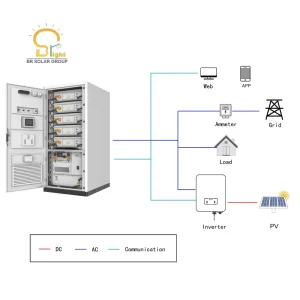
Our solutions are engineered to deliver high efficiency, stable performance, and seamless compatibility with global EV charging protocols (CCS, CHAdeMO, GBT). By integrating battery storage containers directly with high-power DC chargers, we mitigate grid impact in remote areas of Equatorial Guinea. For instance, commercial transit hubs or mining fleet operations can charge electric machinery using stored solar energy, bypassing weak utility distribution grids.
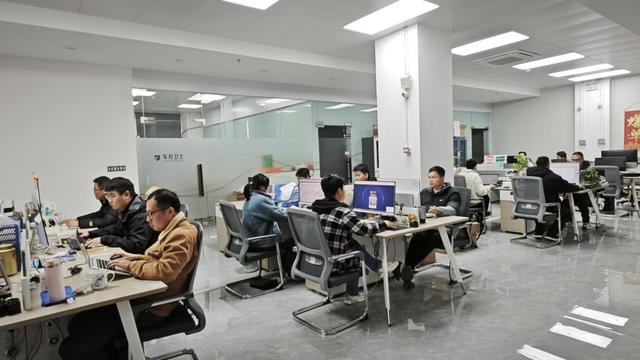
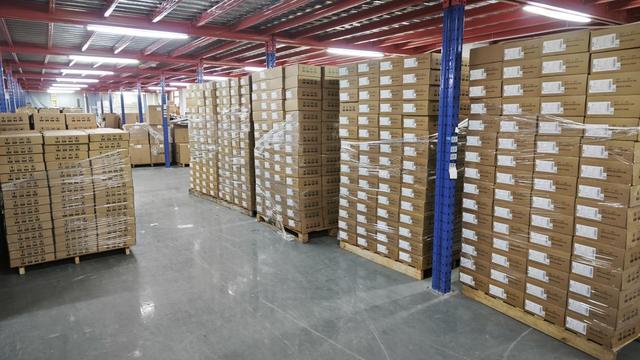
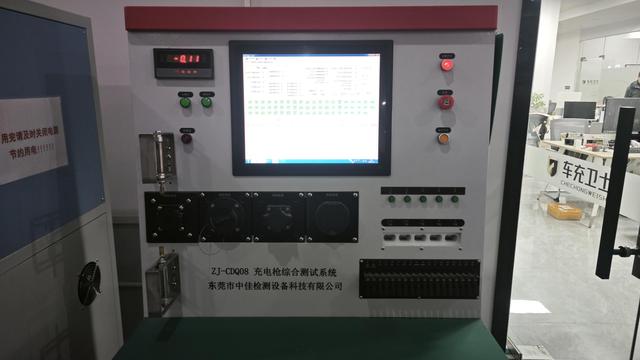
Equipped with modern production facilities and strict quality control, we ensure reliable manufacturing. We support international clients with flexible OEM and ODM services, including software API integration, custom brand styling, and scalable utility designs tailored to diverse project requirements.
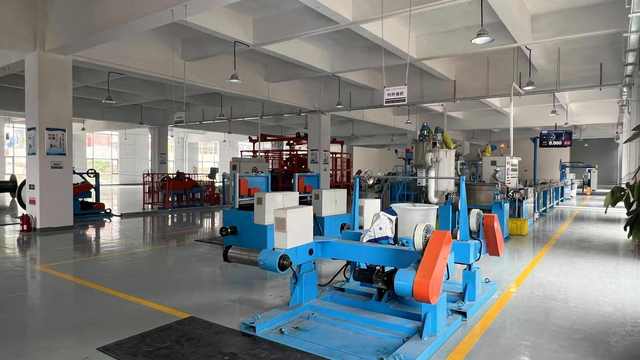
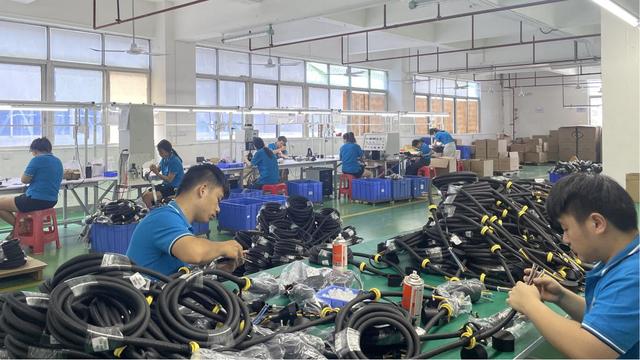
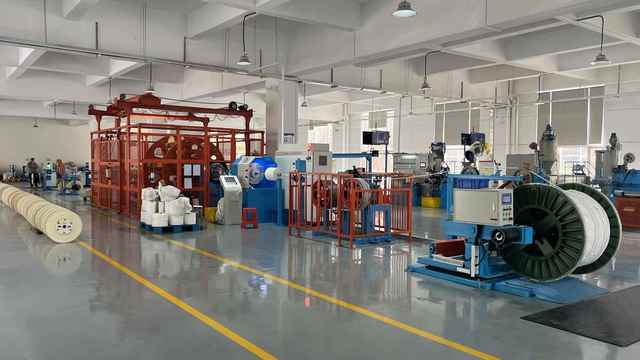
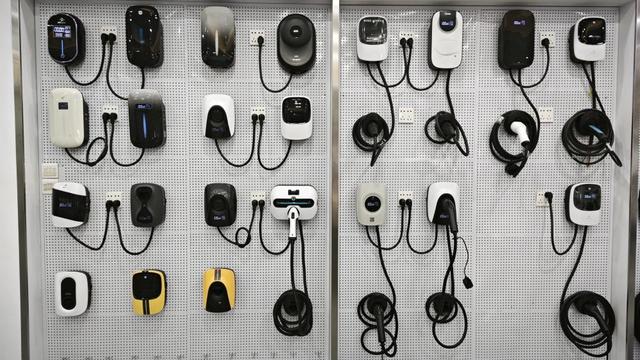
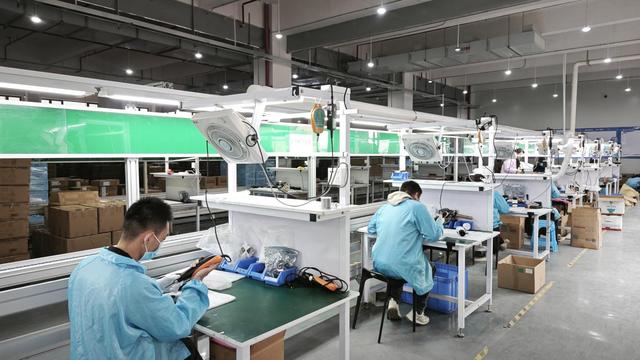
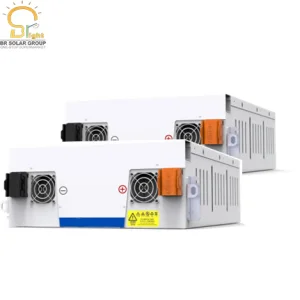
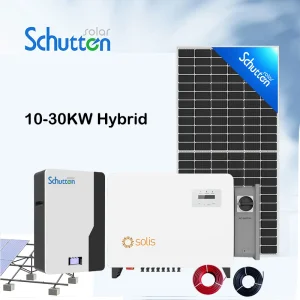
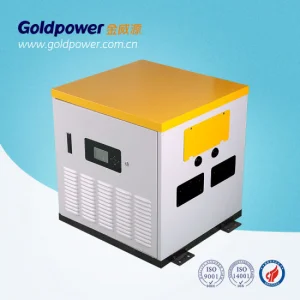
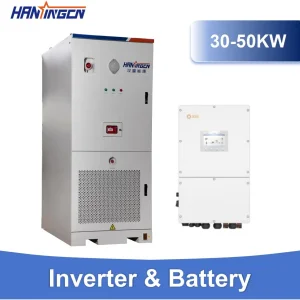
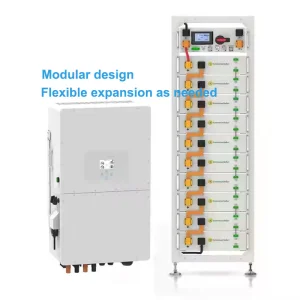
These modular solutions are optimized for scalable commercial applications, remote communication sites, and regional mini-grids in Central Africa.
The transition toward renewable energy integration in the Economic and Monetary Community of Central Africa (CEMAC) is accelerating. Equatorial Guinea’s energy policy increasingly supports private-public partnerships (PPPs) in clean energy development. The deployment of containerized utility-scale storage systems will play an instrumental role in regional stability.
Over the next five years, BESS tech roadmaps will incorporate higher-density cells and smart artificial intelligence software platforms for predictive battery state-of-health (SoH) diagnostics. Future-proof BESS architectures must transition to higher energy density footprints (such as 20ft 5MWh containers) to minimize shipping overheads. Our R&D division is focused on solid-state battery integrations and high-cycle sodium-ion batteries, which exhibit exceptional thermal tolerance, removing chemical overheating risks in equatorial environments.
Active liquid cooling uses closed-loop thermal channels directly in contact with battery cells. Because water-glycol mixtures conduct heat hundreds of times more efficiently than air, it ensures uniform temperature regulation even when outside temperatures reach 35°C and relative humidity approaches 100%. In coastal hubs like Malabo, liquid cooling prevents hot spots and thermal degradation, extending the life of the cells.
C5-M is a high-grade industrial rating used for steel structure coating, protecting equipment in marine environments with high salinity and pollution. The exterior shells of our BESS containers are treated with specialized primer, multi-layer epoxy resins, and polyurethane finishes. This ensures they resist the highly corrosive coastal salt spray typical of ports like Bata and offshore drilling structures.
Yes. Our Energy Management Systems (EMS) and Power Conversion Systems (PCS) support universal communication standards like Modbus TCP/IP, CAN bus, and IEC 61850. The system automatically coordinates with diesel generator controllers to start or shut them down based on battery state-of-charge, reducing unnecessary diesel runtime and fuel consumption.
All our utility storage systems are built to meet NFPA 855 regulations. They feature dual-stage fire suppression systems, incorporating multi-point gas detectors (for early detection of carbon monoxide and hydrogen release) combined with clean gaseous suppression (Novec 1230 or FM200) and localized water sprinklers to isolate and suppress thermal events at the pack level.
We provide complete technical support, including site pre-evaluations, foundation design consults, and customs clearance logistics for the ports of Malabo and Bata. Once the units arrive, our remote and field engineering teams guide your installation, commission the microgrid, and train local staff to operate the system safely.
Review our full collection of industrial, commercial, and containerized hybrid energy storage systems, built for high duty-cycle performance and global compliance.
Whether you are an EPC contractor bidding on a solar microgrid project or an industrial operator in Bata or Malabo seeking to lower fuel consumption, our engineering team is ready to design a solution for you.
Send Inquiry Now VoltEdge Charging