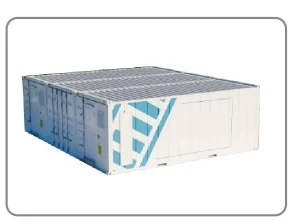
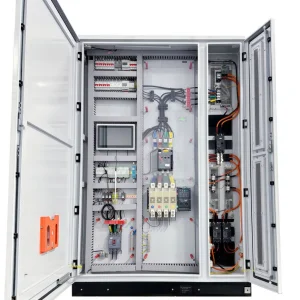
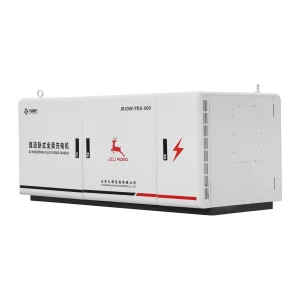
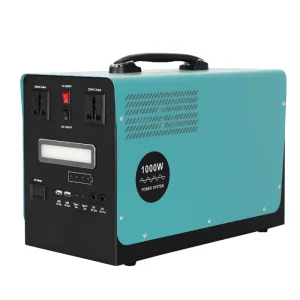
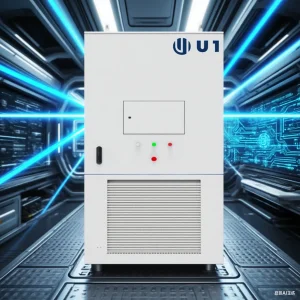
Explore our high-performance energy storage units, rapid DC modules, and intelligent EV charging stations engineered for global grid compatibility.
Analyzing the convergence of magnetic resonance coupling, high-power EV infrastructure, and smart grid orchestration.
The global energy landscape is undergoing a monumental transition. As electric mobility transitions from early adoption to mass-market dominance, the demand for seamless, automated, and highly efficient charging methodologies has reached an inflection point. Among these, Wireless Power Transfer (WPT), specifically magnetic resonance and inductive charging, stands out as the ultimate frontier in user convenience and fleet automation.
In China, the epicenter of power electronics manufacturing, leading developers are bridging the gap between theoretical efficiency and commercial viability. By utilizing advanced Silicon Carbide (SiC) semiconductor switches and optimized LCC-LCC compensation topologies, modern wireless charging systems achieve grid-to-battery efficiencies exceeding 92%, rivaling traditional conductive plug-in systems.
This whitepaper explores how Chinese manufacturers are integrating wireless charging technology with high-voltage DC fast charging, battery energy storage systems (BESS), and intelligent grid management to deliver robust, future-proof infrastructure for global operators.
A Premier Global Manufacturer of DC Fast Chargers and Smart Charging Infrastructure.
Hangzhou VoltEdge Charging Co., Ltd. is a professional EV charging station manufacturer specializing in DC fast chargers and smart charging solutions for global electric mobility markets. With a strong focus on innovation, efficiency, and sustainability, the company provides advanced charging technologies designed to support the rapid growth of electric vehicles across residential, commercial, and public infrastructure sectors.
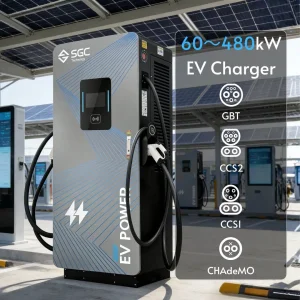
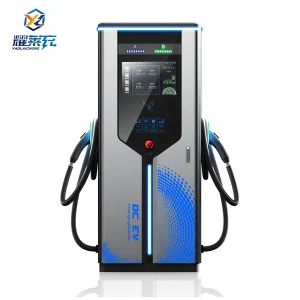
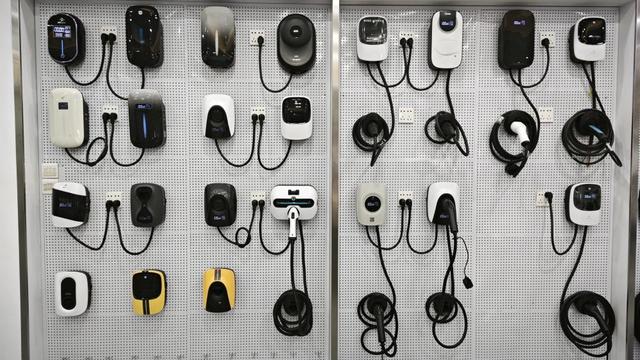
VoltEdge offers a comprehensive portfolio including DC fast charging stations, AC chargers, high-power charging modules, smart charging controllers, and integrated energy management systems. Its solutions are engineered to deliver high efficiency, stable performance, and seamless compatibility with various electric vehicle standards, making them ideal for fleet operations, highway charging networks, urban charging hubs, and private installations.
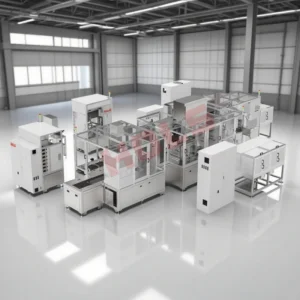
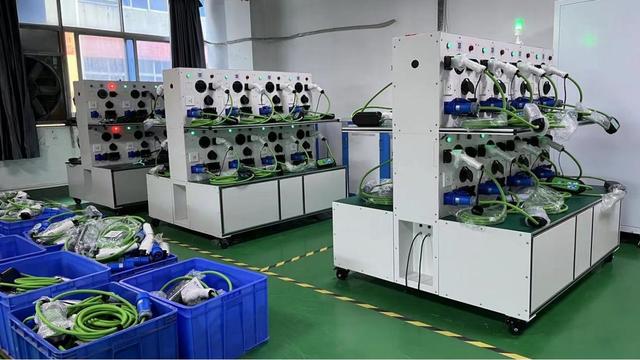
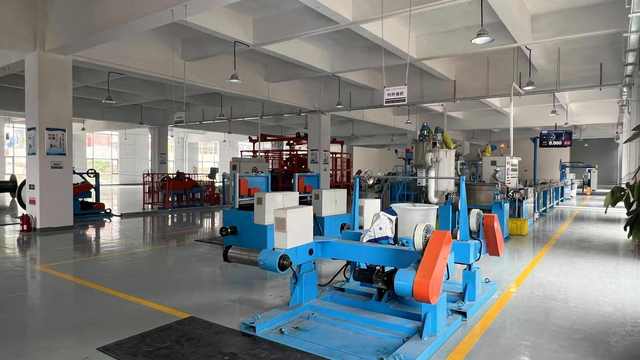
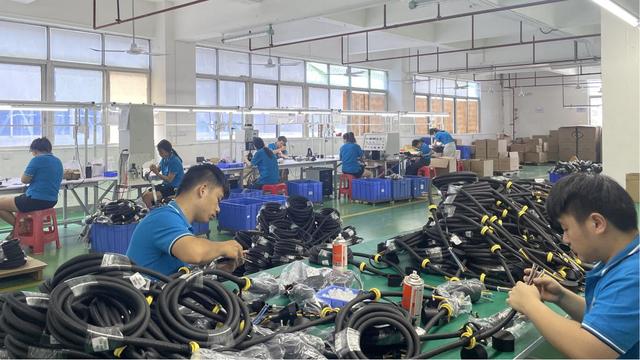
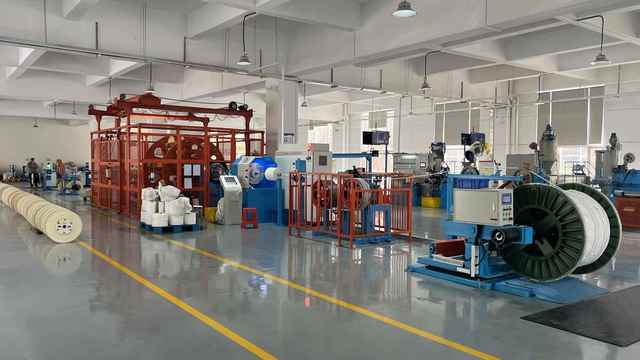
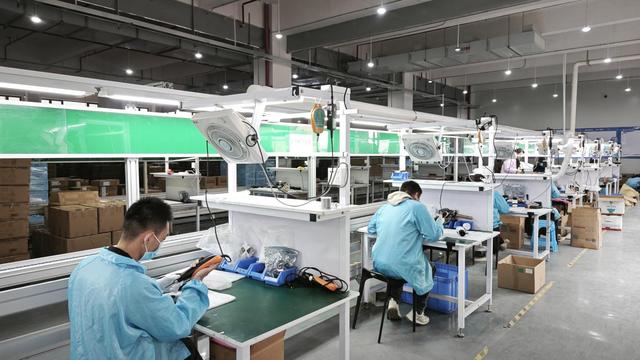
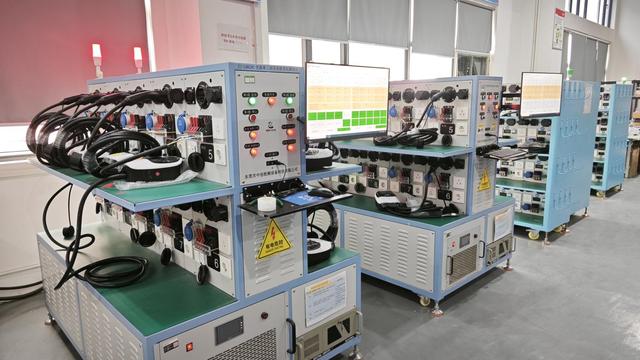
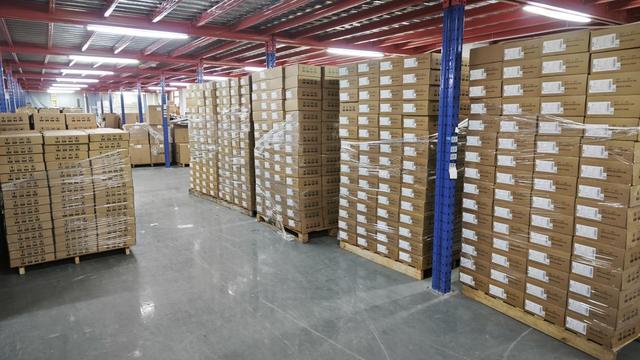
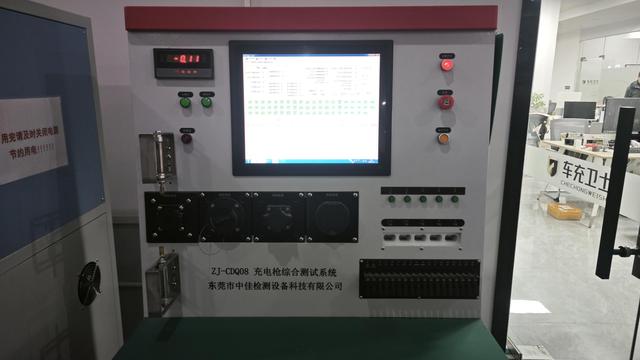
Equipped with modern production facilities and strict quality control systems, VoltEdge ensures reliable manufacturing and consistent product performance. The company supports global clients with flexible OEM and ODM services, offering customized designs, software integration, branding, and scalable charging solutions tailored to diverse project requirements.
Committed to driving the future of clean energy transportation, Hangzhou VoltEdge Charging Co., Ltd. continues to expand its international presence, delivering intelligent, safe, and high-performance EV charging infrastructure solutions worldwide.
Wireless Transfer Efficiency
Exporting Countries & Regions
SAE J2954 & IEC Compliance
Active Thermal Monitoring
Understanding the critical requirements of B2B buyers, fleet operators, and municipal infrastructure developers.
Global procurement teams prioritize compliance with international standards. Our wireless and conductive charging solutions align with SAE J2954, IEC 61980, and ISO 15118, ensuring seamless communication between the charging pad, vehicle, and grid.
High-power wireless transfer generates significant heat in localized areas. Advanced liquid-cooling systems and ceramic-embedded coil designs are integrated to maintain optimal operating temperatures, extending the lifespan of both ground pads and vehicle receivers.
From custom branding and software integration (OCPP 1.6J/2.0.1) to physical configuration modifications, B2B buyers require flexible manufacturing pipelines capable of adapting to specific regional grid requirements and physical space constraints.
How modern microgrids leverage high-capacity energy storage systems to buffer high-power wireless charging demands.
| Application Scenario | Charging Technology | Energy Storage Integration | Key Benefit |
|---|---|---|---|
| Autonomous Fleet Depots | High-Power Inductive (50kW - 150kW) | 100kWh - 1MWh LiFePO4 ESS | Zero-human intervention, automated peak-shaving, continuous 24/7 fleet uptime. |
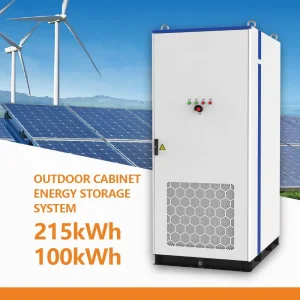
| Urban Public Hubs | Static Resonance (11kW - 22kW) | Decentralized Energy Storage Cabinets | Reduced grid stress, seamless integration with retail parking spaces. |
| Highway Transit Corridors | Dynamic Wireless Lanes / Ultra-Fast DC | Multi-Megawatt Utility-Scale BESS | Elimination of range anxiety, consistent power delivery during peak travel hours. |
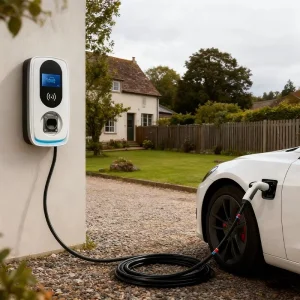
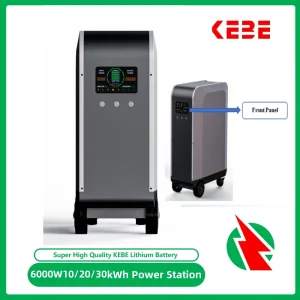
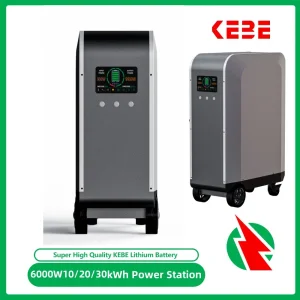
| Residential Smart Homes | Low-Power Inductive (3.7kW - 7.7kW) | 10kWh - 30kWh Home Battery Systems | Hands-free overnight charging, optimized solar self-consumption. |
By pairing LiFePO4 Energy Storage Systems with wireless charging pads, operators can mitigate the high peak-demand charges associated with rapid power transfer. The storage system acts as a buffer, charging slowly from the grid or solar arrays during off-peak hours, and discharging rapidly when a vehicle aligns over the charging pad. This holistic ecosystem dramatically lowers the Total Cost of Ownership (TCO) for commercial operators.
The evolutionary path of contactless power transfer and smart grid orchestration.
Widespread Static Commercialization: Standardizing 11kW and 22kW magnetic resonance systems for premium passenger vehicles. Integration of advanced Foreign Object Detection (FOD) using AI-driven computer vision and radar arrays.
High-Power Fleet Automation: Deployment of 100kW+ wireless charging systems for heavy-duty commercial vehicles, autonomous AGVs, and public transit buses. Universal integration of OCPP 2.0.1 and ISO 15118-20 for secure Plug & Charge capabilities.
Dynamic In-Motion Charging: Commercial pilot programs for dynamic wireless charging lanes on major highways. Real-time energy transfer to vehicles traveling at speeds up to 120 km/h, powered by localized solar-microgrids and ultra-fast storage buffers.
Ensuring seamless integration into regional power grids and strict adherence to international safety standards.
Exporting high-power electrical equipment requires a deep understanding of regional regulatory frameworks. Hangzhou VoltEdge and leading Chinese manufacturers ensure that all products undergo rigorous testing and certification before deployment. From CE and TUV for European markets to UL and FCC for North America, our products are built to meet and exceed local safety codes.
Furthermore, grid-code compliance (such as IEEE 1547 in the US and G99 in the UK) is integrated into our smart inverters and charging modules. This guarantees that our systems do not introduce harmful harmonics or voltage fluctuations into the local distribution network, facilitating faster utility approval processes.
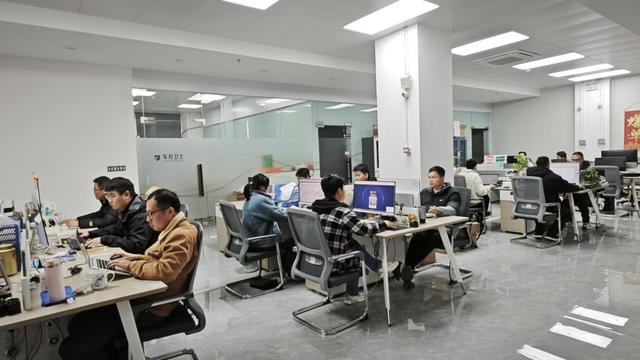
We provide comprehensive localized support, including remote diagnostics, on-site commissioning assistance, and localized spare parts warehousing. Our multilingual engineering teams are equipped to handle complex software integrations, ensuring that our charging infrastructure communicates flawlessly with your existing fleet management platforms.
Addressing key technical and commercial inquiries from global procurement managers.
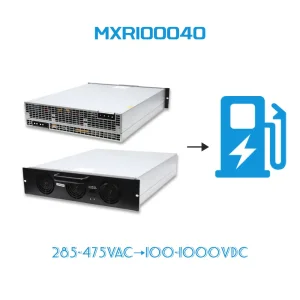
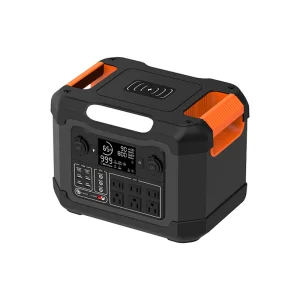
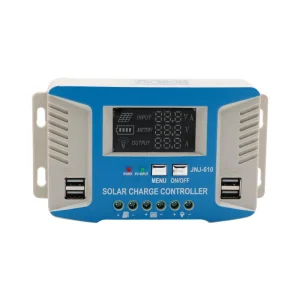
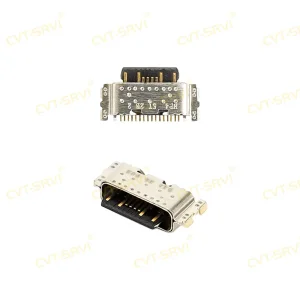
Discover our comprehensive range of high-capacity energy storage cabinets, fast DC charging piles, and component-level solutions.
 VoltEdge Charging