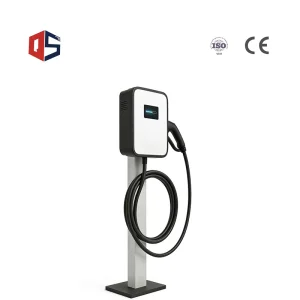
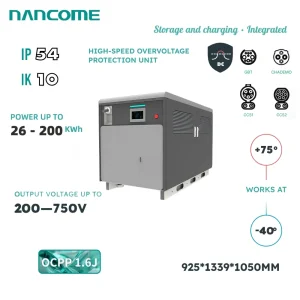
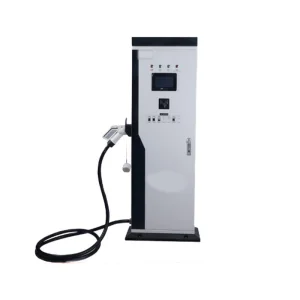
Explore our top-tier tier-1 home EV chargers, bidirectional LiFePO4 ESS units, and microgrid controllers optimized for international compliance and scalability.
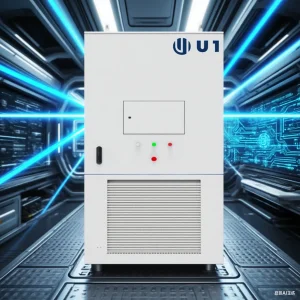
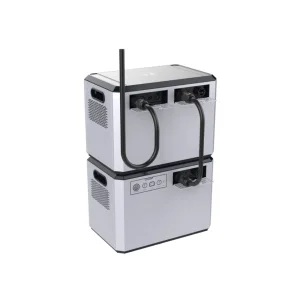
From simple wallboxes to intelligent microgrids: How Chinese manufacturing ecosystems are driving the global energy transition.
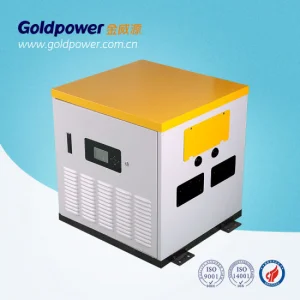
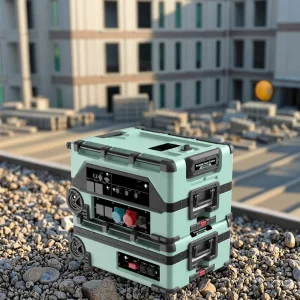
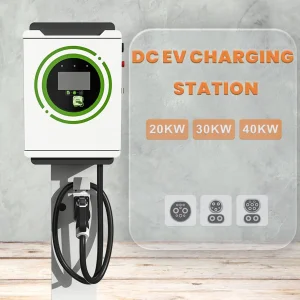
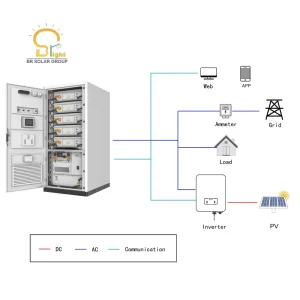
Modern residential EV charging is no longer an isolated electrical asset. High-power home charging (7.4kW to 22kW AC and 30kW–40kW DC) places significant instantaneous stress on domestic distribution boards. Premier OEM suppliers in China now design interconnected ecosystems pairing EVSE with LiFePO4 battery energy storage systems (BESS), enabling solar self-consumption optimization and peak shaving.
To prevent main breaker trips during peak domestic power usage, top Chinese smart home charging factories incorporate hardware-level CT clamp meters and Modbus RTU/RS485 communication protocols. Dynamic Load Balancing algorithms instantly throttle charger amperage based on household load realtime consumption, preserving grid stability without requiring expensive service upgrades.
Leading Tier-1 suppliers are pioneering bidirectional power converters (DC-to-AC / AC-to-DC) using Silicon Carbide (SiC) MOSFET semiconductors. Implementing ISO 15118-2/20 standards ensures seamless 'Plug & Charge' authentication alongside bidirectional V2G and V2H (Vehicle-to-Home) energy dispatch capabilities.
Hardware teardowns, protection topologies, and firmware protocols that separate premium suppliers from white-label assemblers.
When selecting a manufacturing partner in China for private-label or commercial smart charging infrastructure, electrical safety architecture must be evaluated at the component level. Industry leaders utilize Type A + 6mA DC residual current detection (RCD) integrated directly into the mainboard, eliminating external Type B RCD installation costs for global buyers.
| Architecture Feature | Standard OEM Supplier | Top-Tier China Smart Factory (VoltEdge Level) | Impact on Procurement & Compliance |
|---|---|---|---|
| Leakage Protection | External AC Leakage Relay only | Integrated Type A (30mA) + DC 6mA Smooth Leakage Protection (IEC 62955) | Reduces global installer BOS (Balance of System) costs by 35%. |
| Thermal Management | Passive heatsink, standard PCB copper | Multi-sensor NTC probes, 2oz heavy copper PCB, active convection channels | Prevents thermal derating during high-ambient 32A continuous power output. |
| Connectivity Protocols | Wi-Fi 2.4GHz / Bluetooth basic | Dual Wi-Fi / BLE 5.0, RS485 Modbus, Ethernet, optional 4G eSIM + OCPP 2.0.1 JSON | Ensures frictionless CPO (Charging Point Operator) back-end cloud integration. |
| Enclosure Protection | IP54, IK08 Plastic Housing | IP65, IK10 Weatherproof Flame-Retardant Polycarbonate / Aluminum Die-Cast | Ensures 10+ year lifespan in extreme indoor/outdoor residential environments. |
| Grid Adaptability | Single Grid Topology (TN-S) | Universal Configurable (TN-C-S, TT, IT Split-Phase 110V/240V, 3-Phase 400V) | Single SKU can be exported across North America, Europe, and LATAM. |
Pioneering Next-Gen EV Infrastructure & Clean Energy Storage Solutions for International Markets
Hangzhou VoltEdge Charging Co., Ltd. is a professional EV charging station manufacturer specializing in DC fast chargers and smart charging solutions for global electric mobility markets. With a strong focus on innovation, efficiency, and sustainability, the company provides advanced charging technologies designed to support the rapid growth of electric vehicles across residential, commercial, and public infrastructure sectors.
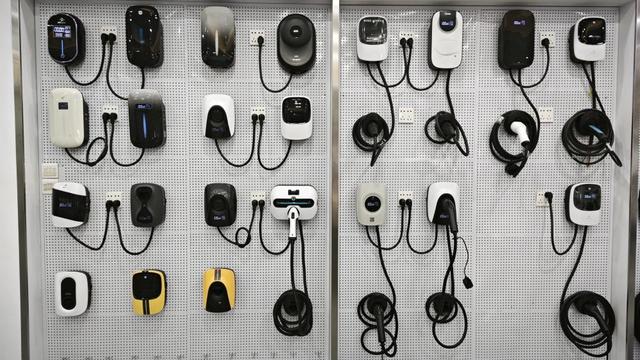
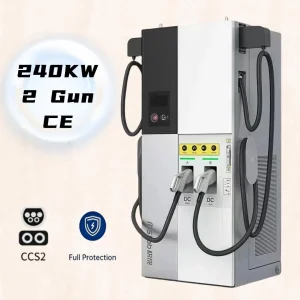
VoltEdge offers a comprehensive portfolio including DC fast charging stations, AC chargers, high-power charging modules, smart charging controllers, and integrated energy management systems. Its solutions are engineered to deliver high efficiency, stable performance, and seamless compatibility with various electric vehicle standards, making them ideal for fleet operations, highway charging networks, urban charging hubs, and private installations.
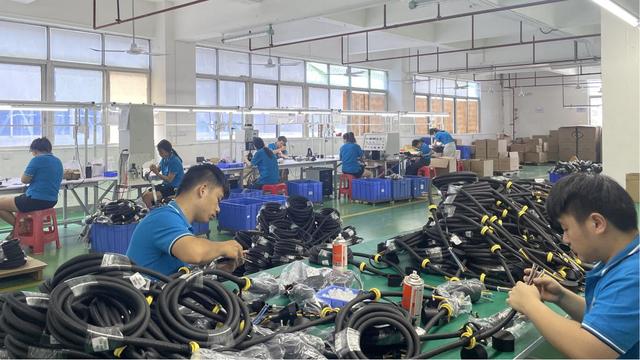
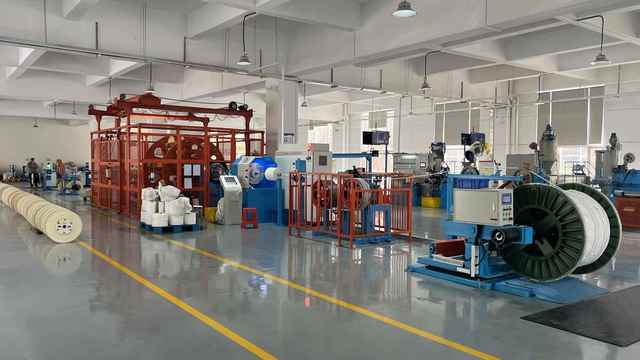
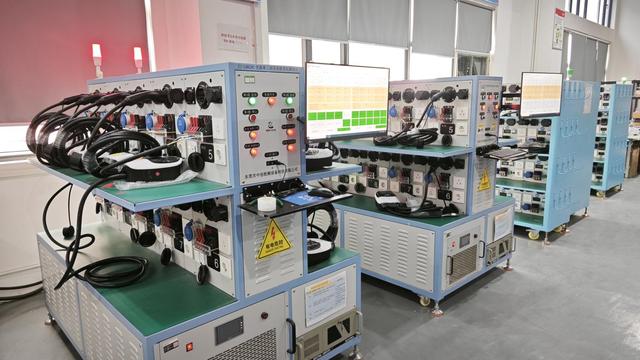
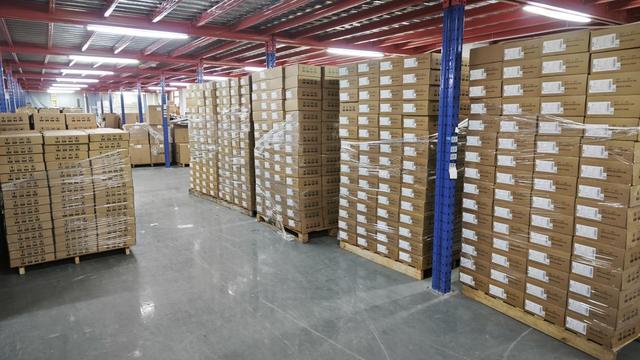
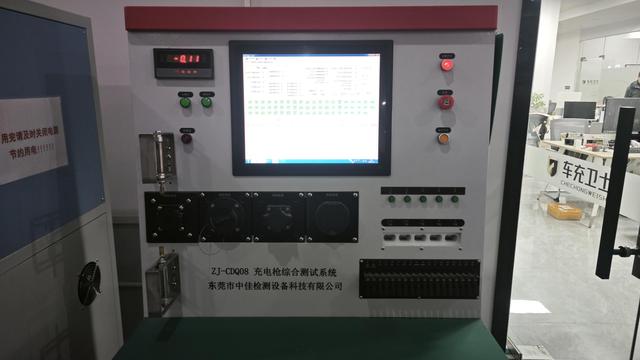
Equipped with modern production facilities and strict quality control systems, VoltEdge ensures reliable manufacturing and consistent product performance. The company supports global clients with flexible OEM and ODM services, offering customized designs, software integration, branding, and scalable charging solutions tailored to diverse project requirements.
Committed to driving the future of clean energy transportation, Hangzhou VoltEdge Charging Co., Ltd. continues to expand its international presence, delivering intelligent, safe, and high-performance EV charging infrastructure solutions worldwide.
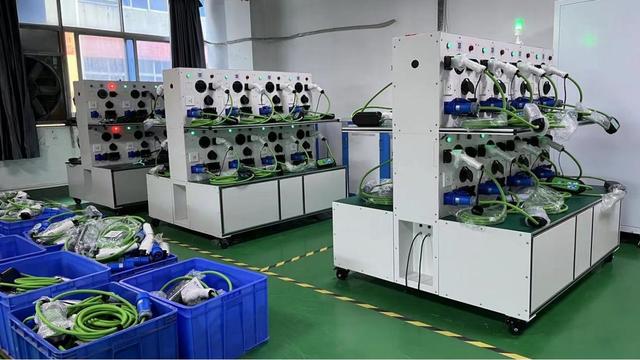
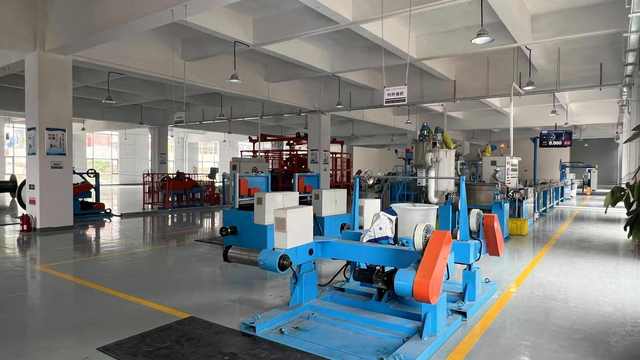


A turnkey decision-making toolkit for global brands, utility companies, and EVSE distributors.
Hardware without robust software integration leads to operational friction. Leading suppliers provide white-label iOS/Android mobile apps alongside comprehensive Open Charge Point Protocol (OCPP 1.6J / 2.0.1) API documentation, enabling seamless connections with regional billing platforms and virtual power plants (VPPs).
Direct factory procurement in China offers a 35% to 55% Bill-of-Materials (BOM) cost advantage over European/North American local assembly. Partnering with suppliers with fully automated SMT lines and vertical plastic/metal tooling ensures consistent unit cost scaling without compromising quality control.
Ensure target suppliers possess authentic, accredited test reports (TÜV Rheinland, SGS, Intertek). Critical certifications include CE (LVD, EMC, RED), UL 2594, FCC Part 15B, UKCA, RCM (Australia), and RoHS/REACH compliance to bypass customs friction and guarantee market entry.
Anticipating hardware evolution: AI predictive energy management, DC residential hubs, and solid-state ESS integration.
Future smart home chargers will integrate edge-AI chips capable of analyzing local electricity tariff structures (Time-of-Use rates), weather forecasts for solar generation, and driver usage habits. Algorithms will autonomously initiate charging during zero or negative grid pricing hours while supplying peak power back to the home or grid.
As residential EV batteries transition from 400V to 800V architectures, traditional AC wallboxes face efficiency bottlenecks. Domestic direct-DC charging (20kW–40kW) powered by stationary LiFePO4 battery buffers allows ultra-fast charging without over-subscribing residential AC grid service drops.
Addressing key technical, regulatory, and OEM/ODM procurement queries.
For Europe, chargers must carry CE certification complying with Low Voltage Directive (LVD IEC/EN 61851-1), Electromagnetic Compatibility (EMC IEC/EN 61851-21-2), RED (Radio Equipment Directive for Wi-Fi/RFID), and RoHS/REACH. For North America, UL 2594 (Standard for Electric Vehicle Supply Equipment), UL 2231-1/2 (Personnel Protection), and FCC Part 15 Class B compliance are mandatory.
DLB utilizes current transformer (CT) clamps installed on the main service lines to monitor household energy consumption in real time. For single-phase (e.g., 230V UK/EU or 120V/240V US split-phase), the charger dynamically adjusts current draw (from 6A to 32A). For three-phase systems (400V EU), the DLB controller monitors each phase independently to prevent phase imbalance and neutral conductor overloading.
Standard white-label customized packaging and brand logo silk-screening typically carry an MOQ of 50 to 100 units. Deep ODM customization—such as custom industrial mold tooling, PCB redesign, or proprietary app SDK integration—usually requires 500+ units. Production lead times range from 15 to 25 business days following sample approval and engineering sign-off.
Yes. Qualified suppliers like Hangzhou VoltEdge implement standardized Open Charge Point Protocol (OCPP 1.6J and OCPP 2.0.1) via WebSocket communication. This allows chargers to effortlessly connect with any global CPO back-end management platform, utility VPP network, or white-label billing software.
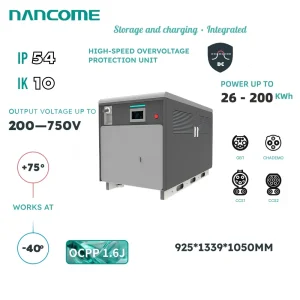
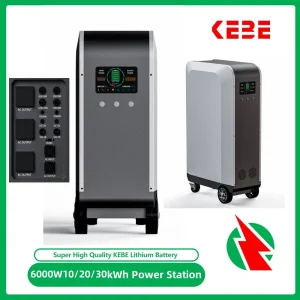
Scalable energy storage infrastructure and fleet charging stations engineered for high-reliability commercial operation.
 VoltEdge Charging