Engineered for weak power grids, extreme outdoor climates, and integrated off-grid energy portfolios.
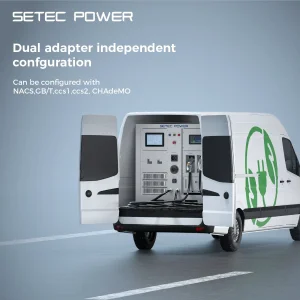
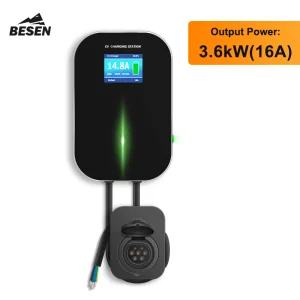
Historically, EV infrastructure deployment has been heavily concentrated in high-density urban corridors. However, rural regions, agricultural enterprise centers, and national highways are witnessing a rapid surge in EV adoption. Expanding charging infrastructure into remote networks presents unique obstacles: unstable weak-grid feeds, significant distance between grid sub-stations, and severe environmental shifts.
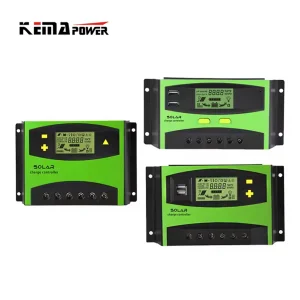
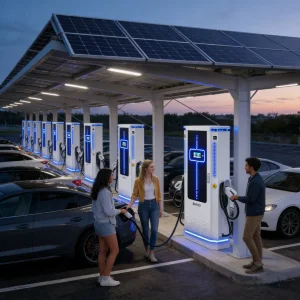
Modern solutions must shift away from standard AC grid dependencies. The integration of high-density battery arrays (BESS) and high-efficiency solar charge controllers is redefining how charging points operate in rural settings. Solutions are no longer isolated chargers; they are comprehensive microgrids capable of load balancing and peak shaving, protecting weak local grids while providing continuous high-kilowatt DC fast charging.
Industrial clients, municipalities, and fleet operators have unique procurement criteria when deploying chargers outside of metropolitan networks.
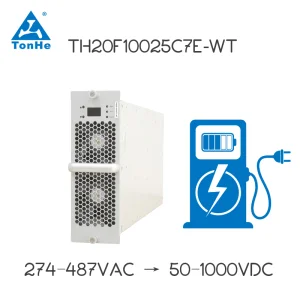
Rural locations suffer from high impedance and voltage drops. Procurement teams demand DC charging modules designed to operate reliably under broad voltage fluctuations without tripping breakers.
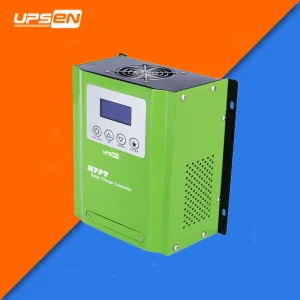
Connecting straight to rural grids can trigger massive upgrade surcharges. Integrated solar controllers and energy storage systems store solar energy by day to buffer fast-charge spikes at night.
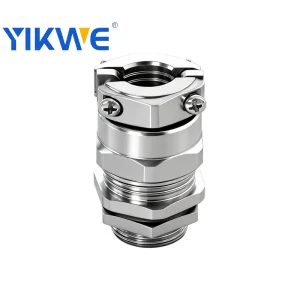
Dust, moisture, and pests are major threats in rural or agricultural installations. The demand is for IP55/IP65 ratings, heavy-duty cable glands, and rugged enclosures.
Solving rural charging constraints requires a macro-architectural strategy that unifies power generation, localized storage, and vehicle charging interface under one central management protocol.
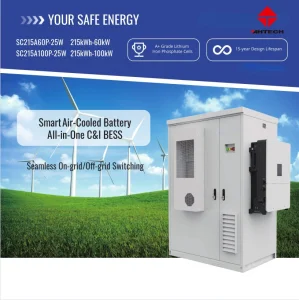
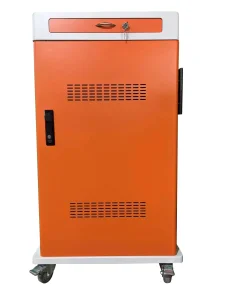
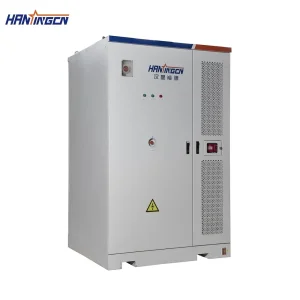
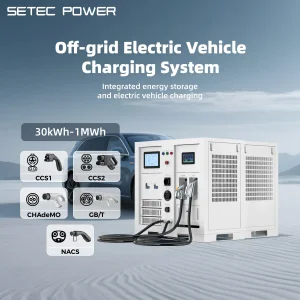
At the center of this topology is the Solar-BESS-Charging Microgrid. During periods of low vehicle demand, solar controllers regulate power from photovoltaic arrays to recharge commercial-grade lithium-iron phosphate (LFP) battery cabinets (ranging from 30kWh to 1MWh capacities). When an electric vehicle accesses a DC fast charger, the demand is fulfilled directly from the battery pack, avoiding grid draws and bypassing high utility demand fees.
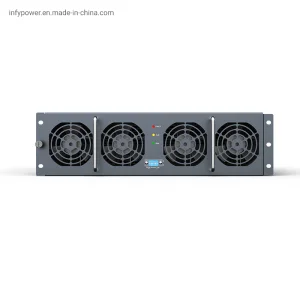
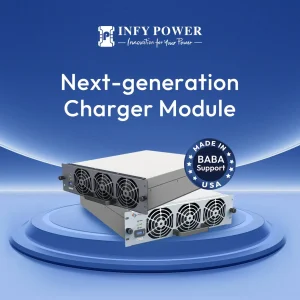
Furthermore, modular charging configurations allow operators to swap power modules (such as 30kW or 40kW modules) easily. This maintains uptime even in isolated locations where field service dispatch might take several days.
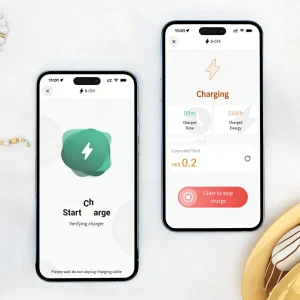
Smart applications play an indispensable role in rural charging operations. Drivers can utilize the Evpro intelligent app to locate functioning charging points, reserve slots, and handle cashless authorization over low-bandwidth cellular networks.
Simultaneously, administrators oversee health status, regulate power output in real-time to match local battery levels, and gather performance analytics through open OCPP compliance protocols, eliminating the need for constant physical inspections.
A professional EV charging station manufacturer specializing in DC fast chargers and smart charging solutions for global electric mobility markets.
Hangzhou VoltEdge Charging Co., Ltd. specializes in advanced DC fast chargers and smart charging solutions designed to meet the demands of global electric mobility markets. With a strong focus on innovation, efficiency, and sustainability, the company provides advanced charging technologies engineered to support the rapid growth of electric vehicles across residential, commercial, and public infrastructure sectors.
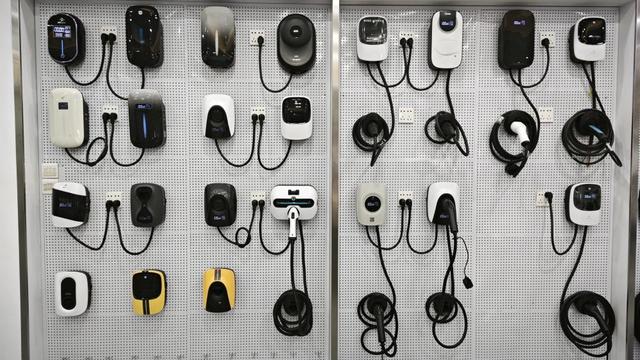
VoltEdge offers a comprehensive portfolio including DC fast charging stations, AC chargers, high-power charging modules, smart charging controllers, and integrated energy management systems. Its solutions are engineered to deliver high efficiency, stable performance, and seamless compatibility with various electric vehicle standards, making them ideal for fleet operations, highway charging networks, urban charging hubs, and private installations.
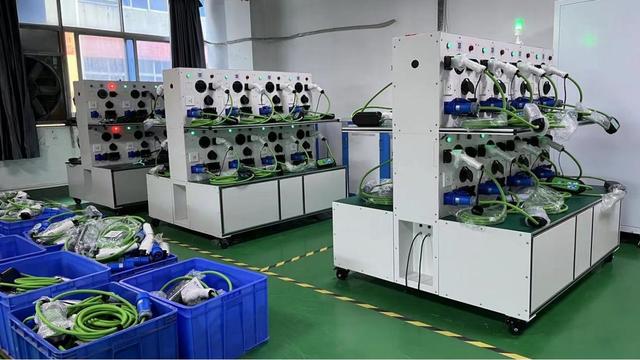
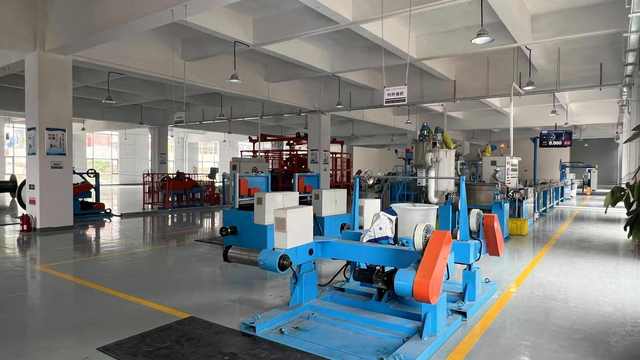
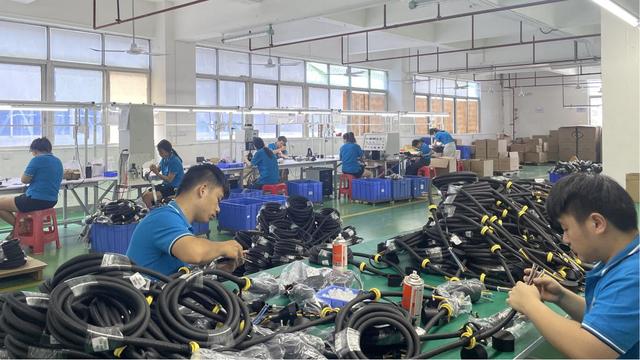
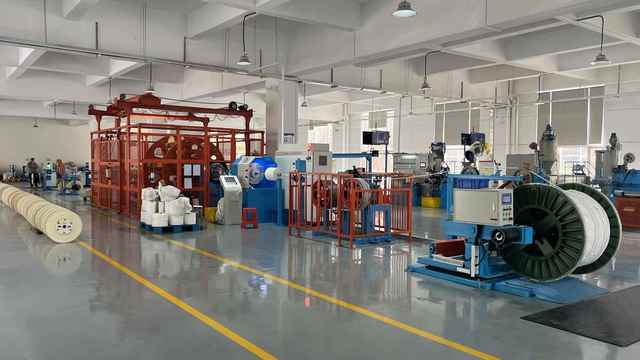
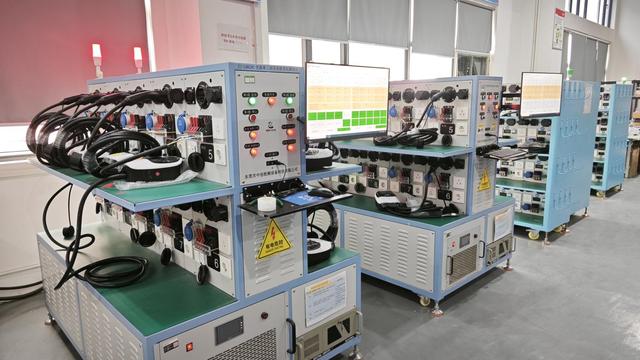
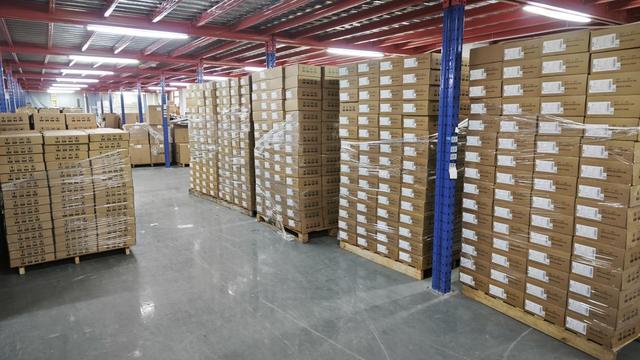
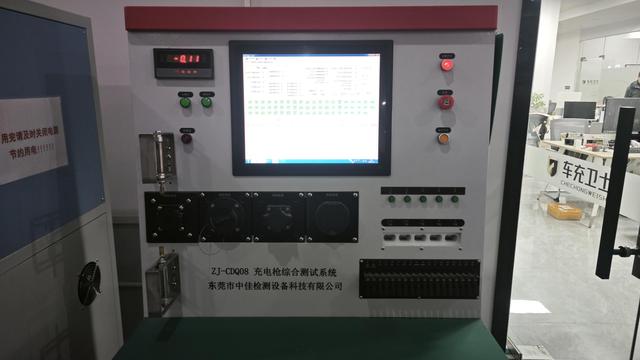
Equipped with modern production facilities and strict quality control systems, VoltEdge ensures reliable manufacturing and consistent product performance. The company supports global clients with flexible OEM and ODM services, offering customized designs, software integration, branding, and scalable charging solutions tailored to diverse project requirements. Committed to driving the future of clean energy transportation, Hangzhou VoltEdge Charging Co., Ltd. continues to expand its international presence, delivering intelligent, safe, and high-performance EV charging infrastructure solutions worldwide.


Exporting equipment across international jurisdictions requires careful compliance mapping. In North America, UL approvals are vital for commercial DC fast charger modules to ensure safety and code compliance. Across Europe, CE certifications combined with compliance to local network codes are required to authorize grid interconnection.
Additionally, integrations with local solar assets and BESS systems must support automatic grid disconnection (anti-islanding) and dynamic load sharing. These security functions prevent rural substations from overloading and ensure that if the main grid goes down, your off-grid chargers can continue to run safely in island mode.
Operating a charging facility 100 miles away from the nearest service center requires a robust spares strategy. Hangzhou VoltEdge addresses this challenge with modular components, allowing local mechanics to swap out a faulty 30kW or 40kW DC charging module in minutes without requiring high-level engineering support, reducing operational downtime.
The next decade of innovations in remote power distribution and high-power fast charging.
To withstand extreme dirt and agricultural dust, next-generation charging setups are moving to fully sealed liquid-cooled power conversion modules, reducing particulate entry points and increasing durability.
Connecting parked EVs to serve as localized storage assets. V2G setups allow heavy-duty farming equipment or delivery fleets to feed power back into weak rural grids during peak demand events.
Using predictive analytics, controllers determine local charging rates based on historical weather patterns, optimizing BESS storage reserves before cloudy days or high-load weekends.
Essential guidance for procurement directors, network planners, and clean energy developers.
Complete your off-grid setups with heavy-duty accessories and industrial battery storage units.
 VoltEdge Charging