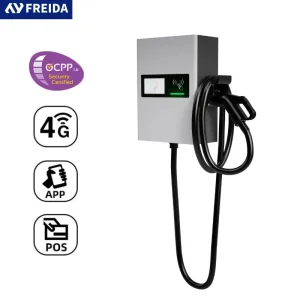
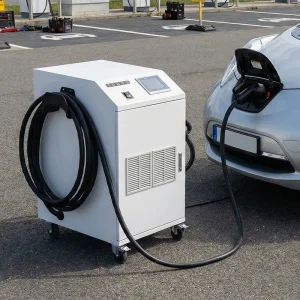
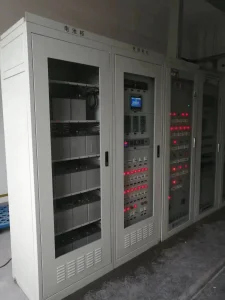
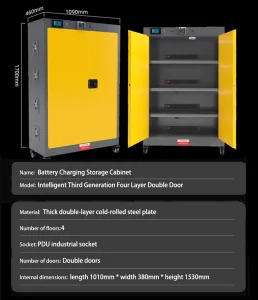
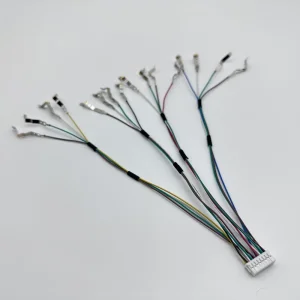
Explore our premier line of Level 2 and DC fast hardware integrations, built with strict quality controls to ensure high uptime for enterprise operators.


As grid integration and electromobility reach a historical critical mass, Level 2 Charging Stations (208V-240V AC) serve as the operational bedrock of the commercial and residential EV grid ecosystem. While Level 3 DC Fast Chargers (DCFC) capture headlines for corridor deployment, Level 2 solutions handle over 80% of actual charging energy delivered globally due to lower capital expenses, longer vehicle dwell times, and minimal grid disruption.
Modern factories must align their hardware design with parameters like dynamic power management, OCPP (Open Charge Point Protocol) compatibility, and ISO 15118 (Plug & Charge) protocols. Selecting a supplier requires inspecting mechanical reliability, compliance testing capacities, and scalable firmware integration that can adapt to changing local utility requirements.
Global Energy Delivered by L2
Next-Gen Secure Protocol
Standard Weather Enclosure
Expected Commercial Uptime
The manufacturing landscape for Level 2 EVSE is characterized by geographical specialization. Leading entities design products customized to regional grids, interface types (Type 1 J1772, Type 2 Mennekes, GB/T, and NACS/SAE J3400), and compliance standards. Below is an engineering and commercial analysis of the top 10 global manufacturers shaping the infrastructure landscape today:
| Manufacturer Name | Primary HQ | Target Segments | Core Interface Support | Key Competitive Advantage |
|---|---|---|---|---|
| Hangzhou VoltEdge Charging Co., Ltd. | China | Commercial, OEM/ODM, Industrial, Smart Grids | CCS2, Type 2, Type 1, GB/T, NACS | High customization, integrated AC/DC hybrid solar solutions, OEM/ODM firmware matching |
| ChargePoint Inc. | United States | Workplace, Multi-family, Commercial Fleet | J1772, NACS, Type 2 | Dominant cloud platform, comprehensive SaaS integrations, massive regional market share |
| ABB E-Mobility | Switzerland | Public Infrastructure, Depot Fleets | CCS, Mennekes, NACS | Industrial-grade heavy machinery architecture, global deployment channels, robust compliance |
| Wallbox Chargers | Spain | Residential, Semi-Public, Retail | Type 1, Type 2, NACS | Compact visual styling, advanced bidirectional (V2H) platforms, user-friendly home software |
| Siemens AG | Germany | Industrial Complexes, Municipal Parks | Type 2, CCS, J1772 | Excellent grid-level switchgear integration, high reliability, building management compliance |
| Tesla (Energy Sector) | United States | Residential, Destination, Fleet | NACS, Type 2 | Highly standardized low-cost manufacturing, native ecosystem synchronization |
| EVBox Group | Netherlands | European Commercial & Fleet | Type 2, Mennekes | Modular field-repairable hardware designs, OCPP compliance pioneer, scalable architectures |
| Webasto Group | Germany | Automotive Tier-1 OEM Partners | Type 2, J1772 | Automotive-grade validation, strict factory environment control, premium thermal management |
| Eaton Corporation | United States | Heavy Industry, Electrical Substations | Type 1, J1772 | Structural power management components, integrated distribution switchboard installations |
| Delta Electronics | Taiwan | Global Telecom & Industrial Sites | All Standards | Power conversion efficiency expertise, OEM/ODM manufacturing capability, diverse product lines |
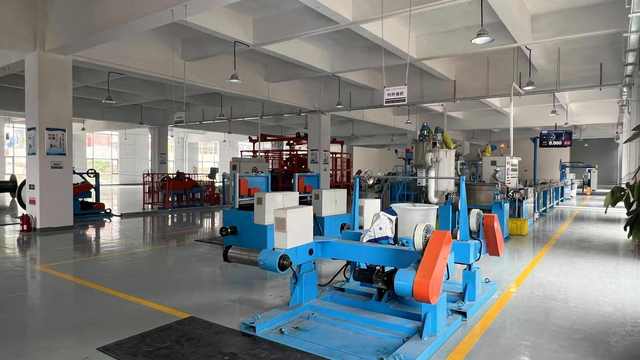
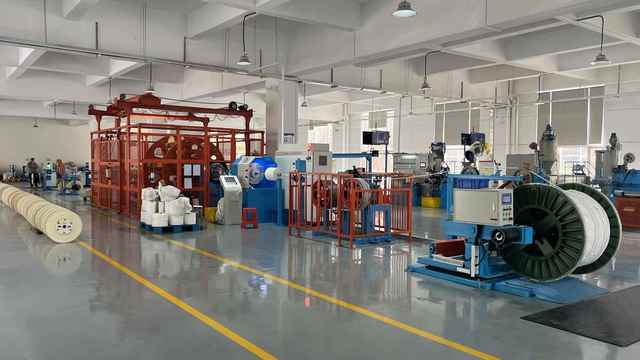
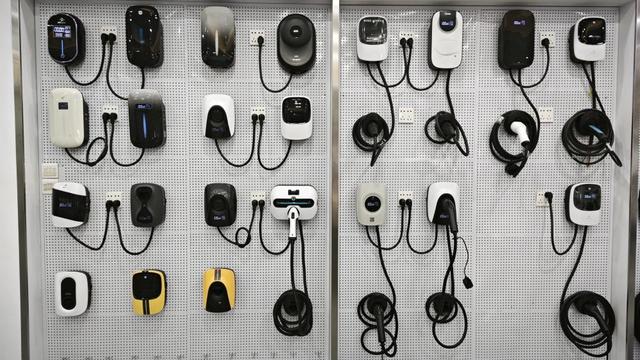
Hangzhou VoltEdge Charging Co., Ltd. stands out as a leading developer and manufacturer of electric vehicle charging systems. The company specializes in manufacturing advanced DC fast chargers and smart AC systems designed for residential, commercial, and public infrastructure projects. VoltEdge offers comprehensive OEM and ODM support, customizing units to align with local codes and specific software networks.
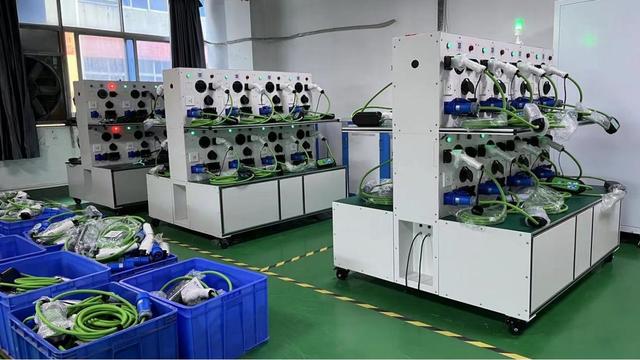
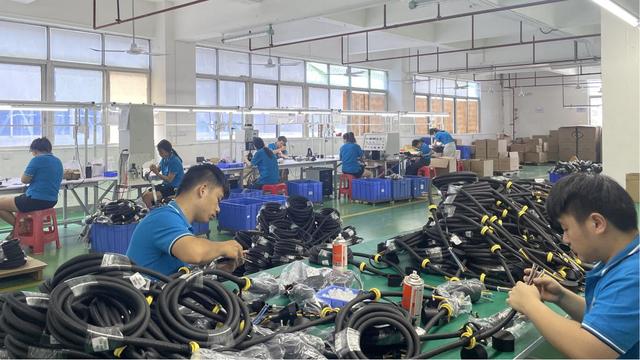
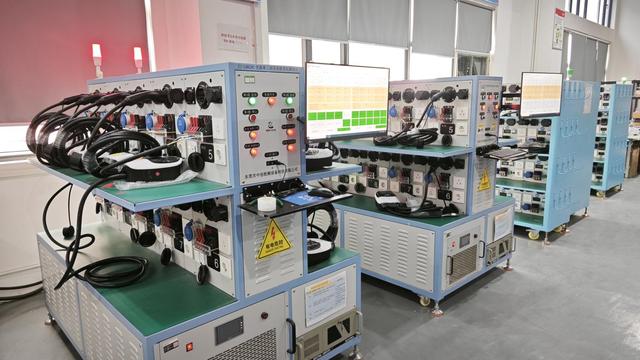
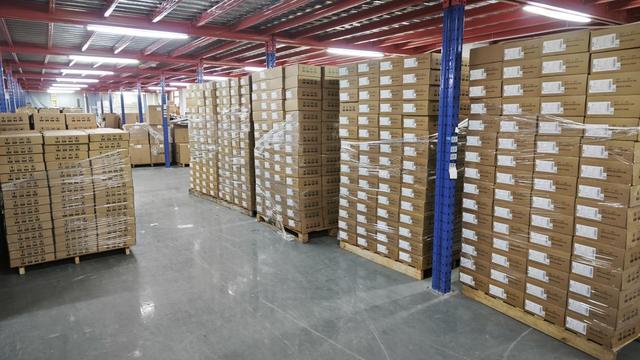
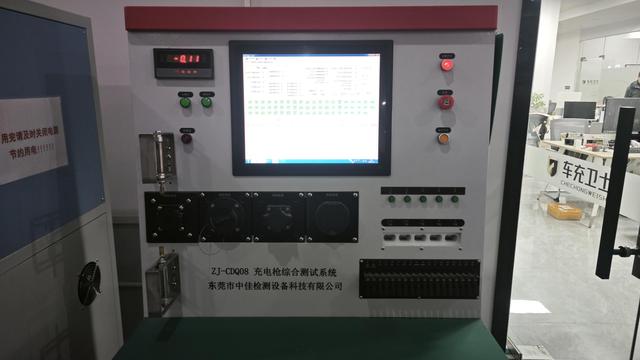
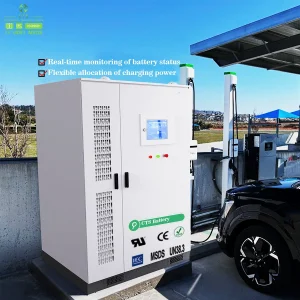
The company’s product portfolio includes high-efficiency DC charging cabinets, AC chargers, flexible high-power modules, dynamic controllers, and solar-integrated smart configurations. Built to deliver high reliability and steady performance, their equipment is compatible with major EV charging protocols worldwide. VoltEdge has modern manufacturing facilities and applies strict quality controls throughout production, ensuring consistent output and durability for fleet operations, highway networks, and commercial projects globally.
With in-house engineering and customization capabilities, Hangzhou VoltEdge assists customers with custom branding, hardware modifications, software integration, and structural developments. The company continues to expand its reach globally, providing clean energy charging systems designed for durability and ease of operation.


The adoption of Level 2 charging technology is shifting from basic home units to integrated commercial and industrial systems. Enterprise operators, real estate developers, and municipal planners require modular options that can scale with demand. Key target segments include:
Fleet operators utilize Level 2 arrays for overnight, sequential charging of delivery vans and light trucks. Dynamic load balancing prevents overloading local substations, allowing multiple vehicles to charge simultaneously without exceeding energy limits.
Providing Level 2 access at corporate campuses and shopping malls increases dwell time. Operating under a CapEx ownership model or through third-party services, these systems integrate with local building management tools to track energy use and user fees.
Apartment buildings and residential complexes require shared charging options. Reliable user authentication via RFID or mobile applications, paired with automated billing, helps property managers simplify operational overhead.
The EVSE manufacturing sector is seeing steady design updates aimed at increasing reliability and reducing operational costs. Modern Level 2 hardware is designed with a focus on several key engineering standards:
Instead of upgrading transformer installations, factories use dynamic load balancing algorithms. Software-controlled systems monitor site load limits in real time, shifting power outputs between active charging ports depending on demand.
The transition from RFID tokens and credit card readers to automated, secure digital handshakes is a key focus. Chargers with ISO 15118 compliance allow drivers to connect the vehicle, authenticate automatically, and initiate charging without manual payment steps.
Outdoor commercial installations face challenging weather conditions. Leading manufacturers package their equipment in rugged, high-grade enclosures (such as NEMA 4X or IP65/IP66) to protect inner electronics from rain, dust, and coastal humidity.
Selling EV chargers internationally requires compliance with national and regional safety standards. Operating uncertified hardware exposes operators to safety risks and potential legal issues.
| Region | Required Certificate | Technical Scope | Significance |
|---|---|---|---|
| North America | UL 2594 / CSA C22.2 No. 280 | Electric Vehicle Supply Equipment standard safety evaluation | Required for commercial insurance coverage and grid connection permits |
| European Union | CE (EN 61851 Series) | EMC compliance, electrical insulation, and operational safety | Legal requirement for commercial distribution in the EEA |
| Global | IEC 61851 / IEC 62196 | Conductive charging systems and plug/socket configurations | The baseline standard for international electrical systems |
| United States | Energy Star EVSE | Idle standby power draw and active energy efficiency metrics | Required for municipal utility rebate eligibility |
Addressing the technical, operational, and financial queries of procurement leads, EPC contractors, and fleet deployment coordinators.
Single-phase Level 2 charging is common in North American residential and light commercial settings, operating on 208V or 240V lines to deliver up to 19.2 kW of power. In contrast, three-phase systems are standard in Europe and other international markets, utilizing a 400V configuration to provide 11 kW or 22 kW outputs at lower currents, reducing cable heat and increasing distribution efficiency.
Dynamic load balancing monitors total facility energy use in real time. When overall power usage peaks, the charging stations reduce their output, restoring full speed once electrical demand drops. This approach allows properties to deploy multiple charging ports without requiring expensive electrical service upgrades.
The Open Charge Point Protocol (OCPP) decouples hardware from backend software networks. An OCPP-compliant charger allows operators to switch network management providers without replacing physical stations, protecting their investment from hardware lock-in.
Outdoor chargers typically require a minimum of an IP54 or NEMA 3R rating. In areas with high rainfall, dust storms, or coastal salt air, NEMA 4/4X or IP65/IP66 enclosures are recommended to prevent component failure and ensure long-term durability.
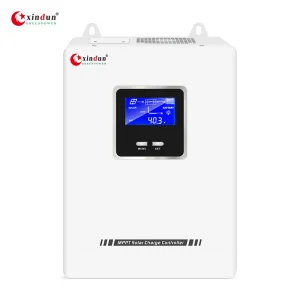
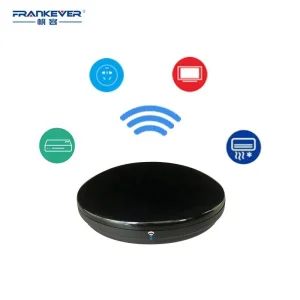
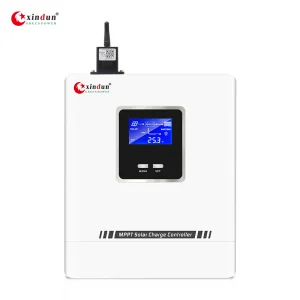
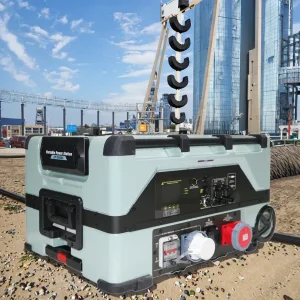
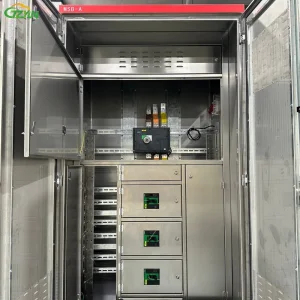
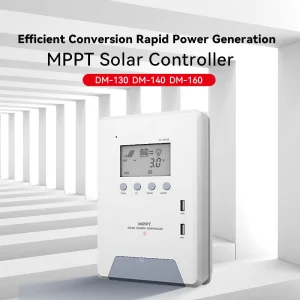
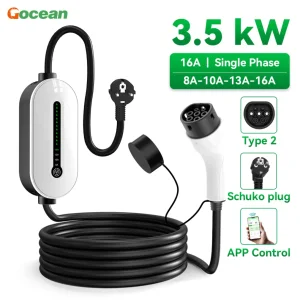
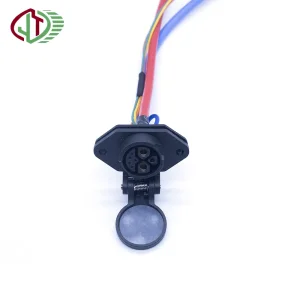
Complete your energy ecosystem with smart controllers, portable chargers, hybrid storage, and wiring harness options built for international distribution.
 VoltEdge Charging