Industrial-Grade EV Fast Chargers, Power Modules, & Intelligent Fleet Management Assets
Decarbonization Mandates, Total Cost of Ownership (TCO) Optimization, and Infrastructure Scalability
The global logistics and last-mile delivery sector is undergoing a massive structural transformation. Driven by stringent zero-emission mandates (such as the EU’s Green Deal logistics targets, US EPA Phase 3 heavy-duty standards, and China's Dual-Carbon 2030/2060 goals), commercial delivery fleets are rapidly replacing legacy internal combustion engine (ICE) vans and light trucks with Electric Delivery Vehicles (EDVs). However, deploying electric delivery fleets involves far more than simply procuring vehicles: it demands a robust, resilient, and highly intelligent charging and energy storage ecosystem.
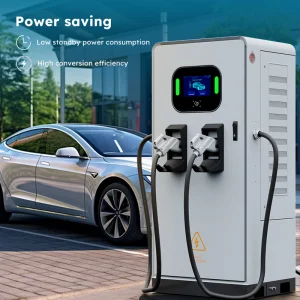
Procurement directors and fleet operators seeking premier China Electric Delivery Vehicle Solutions factories and suppliers must evaluate candidates through the lens of engineering depth, grid compatibility, and Total Cost of Ownership (TCO). High-throughput delivery hubs require ultra-fast charging architectures—ranging from 20kW wall-mounted DC units for depot overnight charging to 600kW+ liquid-cooled megawatt pantograph systems for continuous, multi-shift route operations.
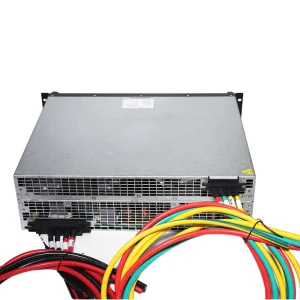
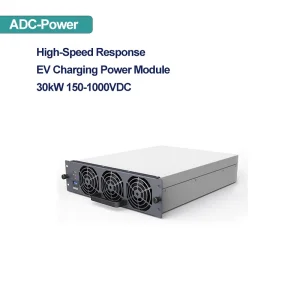
Advanced SiC (Silicon Carbide) power modules delivering up to 96.5% peak energy efficiency, reducing grid drawdown costs and thermal output during continuous operational cycles.
Real-time AI smart power management automatically distributes available grid capacity across dozens of active vehicle bays, eliminating power surges and peak penalty tariffs.
IP55/IP65 liquid-cooled protection enclosures built to withstand ambient extremes from -30°C to +55°C, ensuring continuous 24/7 fleet readiness without thermal throttling.
Automotive-Grade Manufacturing Facilities & Tier-1 OEM/ODM Global Solutions
Hangzhou VoltEdge Charging Co., Ltd. is a professional EV charging station manufacturer specializing in DC fast chargers and smart charging solutions for global electric mobility markets. With a strong focus on innovation, efficiency, and sustainability, the company provides advanced charging technologies designed to support the rapid growth of electric vehicles across residential, commercial, and public infrastructure sectors.
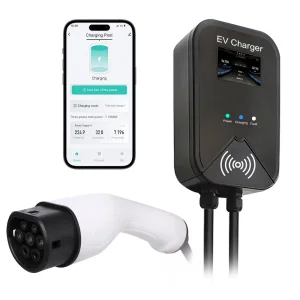
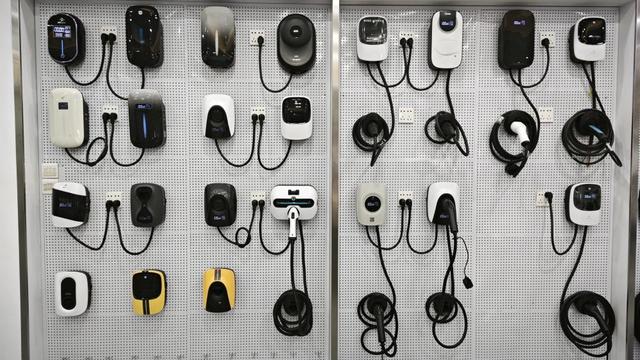
VoltEdge offers a comprehensive portfolio including DC fast charging stations, AC chargers, high-power charging modules, smart charging controllers, and integrated energy management systems. Its solutions are engineered to deliver high efficiency, stable performance, and seamless compatibility with various electric vehicle standards, making them ideal for fleet operations, highway charging networks, urban charging hubs, and private installations.
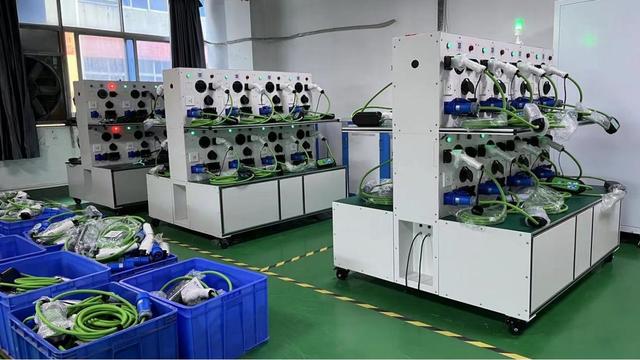
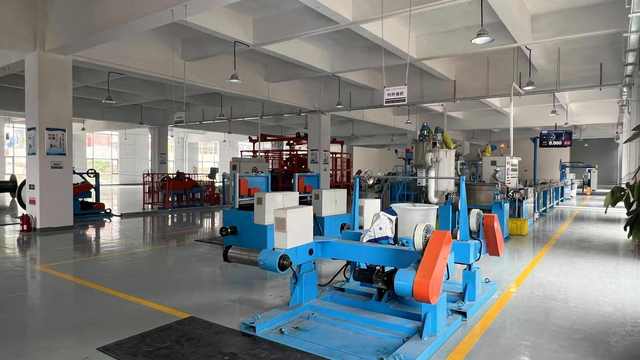
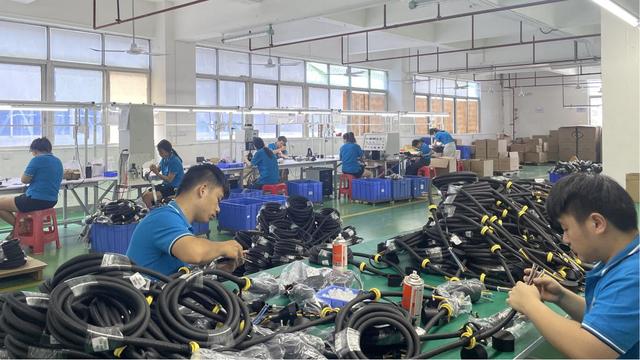
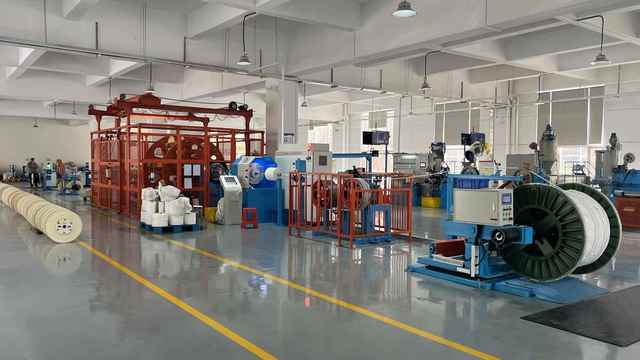
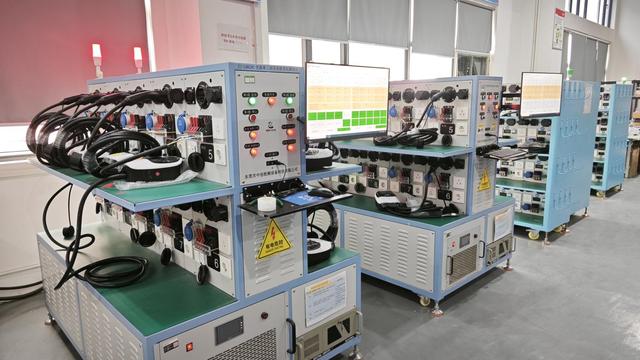
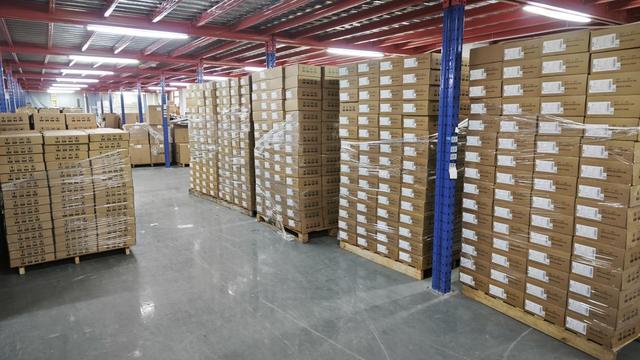
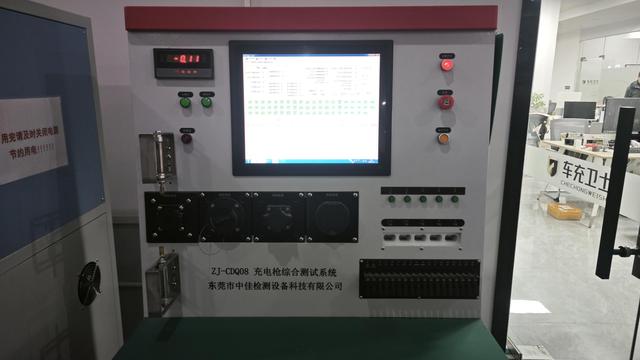
Equipped with modern production facilities and strict quality control systems, VoltEdge ensures reliable manufacturing and consistent product performance. The company supports global clients with flexible OEM and ODM services, offering customized designs, software integration, branding, and scalable charging solutions tailored to diverse project requirements.
Committed to driving the future of clean energy transportation, Hangzhou VoltEdge Charging Co., Ltd. continues to expand its international presence, delivering intelligent, safe, and high-performance EV charging infrastructure solutions worldwide.


Architectural Engineering for High-Duty Fleet Refueling and Power Stability
By replacing conventional air-cooled cables with synthetic dielectric liquid cooling loops, connector weight is reduced by 60% while sustaining continuous currents up to 600A. This enables heavy-duty delivery trucks to recharge 80% capacity within 12–15 minutes during driver shift transitions.
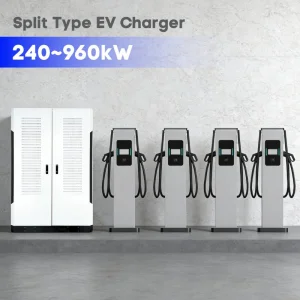
Modular power stack architectures dynamically route power in precise 30kW or 50kW increments to individual vehicle terminals. If a delivery van requires only 40kW while an incoming heavy truck demands 240kW, the central cabinet automatically reconfigures power switches without interrupting active sessions.
To mitigate local distribution transformer upgrades, China's leading suppliers integrate BESS (Battery Energy Storage Systems) directly with DC fast chargers. Storage units harvest off-peak grid energy or rooftop solar output, supplying buffer energy during high-demand fleet turnaround hours.
Modern electric delivery vehicle hubs are evolving from static power sinks into active grid stabilization assets. Through bi-directional Vehicle-to-Grid (V2G) DC systems and ISO 15118-20 communications, fleet management systems automatically sell stored battery energy back to the grid during peak tariff hours, offsetting capital infrastructure expenditures by up to 22% annually.
Tailored Enterprise Deployments Across Global Commercial Logistics Environments
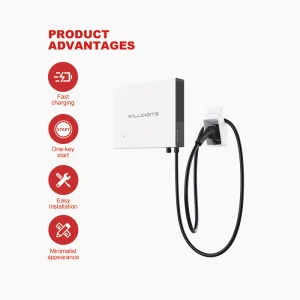
Urban fulfillment centers operating fleets of 50 to 300 light delivery vans requiring overnight sequential charging. Utilizing 20kW wall-mounted DC units or centralized 120kW split systems with dynamic load control ensures all vehicles reach 100% SoC (State of Charge) prior to 6:00 AM dispatch without exceeding site grid limits.
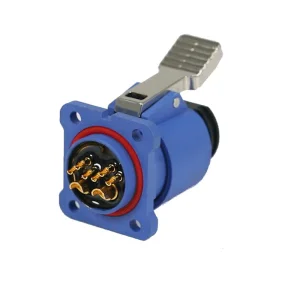
Temperature-sensitive delivery vehicles require continuous auxiliary power to run refrigeration compressors during loading and charging. High-voltage 50kW charging modules paired with auxiliary dual-circuit connectors guarantee zero temperature deviation during battery replenishment cycles.
Ports and logistics corridors utilizing heavy electric drayage trucks demand automated pantograph systems (300kW–600kW). Roof-mounted top-down pantograph connections enable rapid hands-free charging in container loading lanes without driver intervention, maintaining continuous 24/7 port uptime.
Unrivaled Scale, Upstream Vertical Integration, and Manufacturing Speed
China has established an unassailable global lead in the electric vehicle hardware ecosystem. By partnering with leading Chinese EV charging station manufacturers, international enterprise buyers unlock distinct strategic advantages across cost, scalability, and technical maturity:
Commercial Energy Storage Systems, Power Modules, & Portable Microgrid Components
Ensuring Regulatory Compatibility for North American, European, and Asia-Pacific Grids
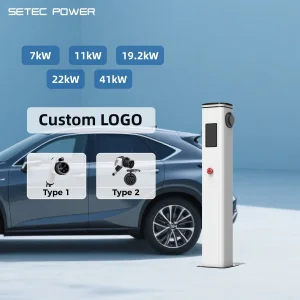
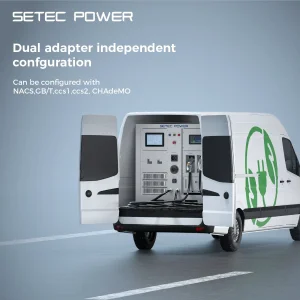
Hardware is engineered to comply with universal standards including IEC 61851, IEC 62196 (Type 2), SAE J1772 (Type 1), CCS Combo 1, CCS Combo 2, and GB/T standards. Software stacks strictly adhere to OCPP 1.6-JSON and OCPP 2.0.1 for instant integration into third-party cloud management networks.
Products undergo rigorous third-party testing to achieve CE mark certification, RoHS compliance, CB certification, and UL compliance. Built-in hardware protection encompasses over-voltage, under-voltage, short-circuit, ground-fault, and over-temperature safety cutoffs.
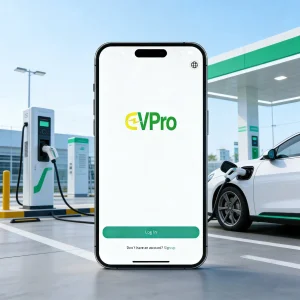
Enterprise buyers benefit from 24/7 remote diagnostics, firmware over-the-air (OTA) update support, modular spare-part provisioning, and dedicated local field engineering assistance for rapid site commissioning.
Expert Search Intent Clarifications for Fleet Procurement & Infrastructure Project Engineers
 VoltEdge Charging