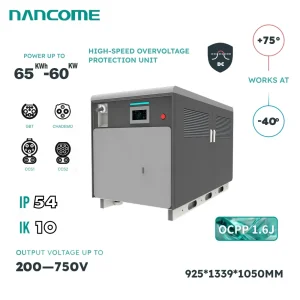
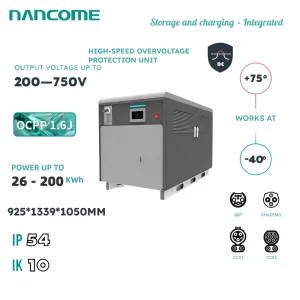
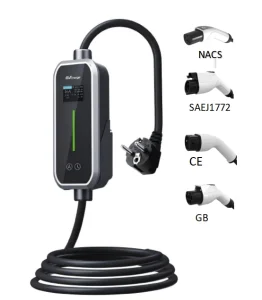
Engineered for stability, rapid deployment, and high-efficiency power distribution under extreme meteorological conditions.
Hangzhou VoltEdge Charging Co., Ltd. is a professional EV charging station manufacturer specializing in DC fast chargers and smart charging solutions for global electric mobility markets. With a strong focus on innovation, efficiency, and sustainability, the company provides advanced charging technologies designed to support the rapid growth of electric vehicles across residential, commercial, and public infrastructure sectors.
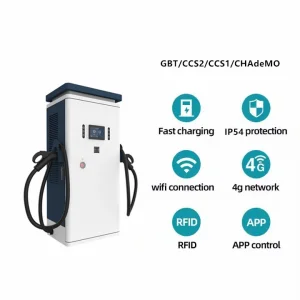
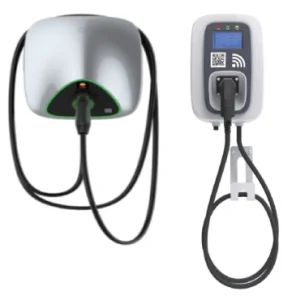
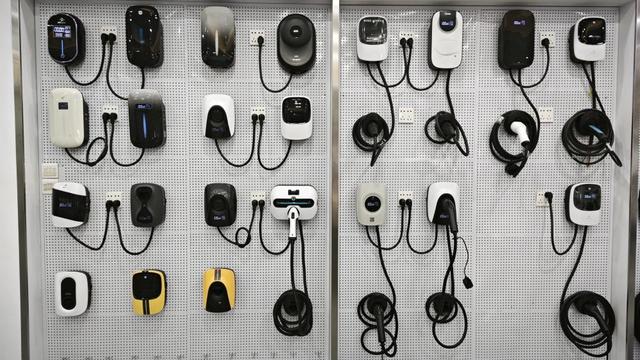
VoltEdge offers a comprehensive portfolio including DC fast charging stations, AC chargers, high-power charging modules, smart charging controllers, and integrated energy management systems. Our solutions are engineered to deliver high efficiency, stable performance, and seamless compatibility with various electric vehicle standards, making them ideal for fleet operations, highway charging networks, urban charging hubs, and private installations.
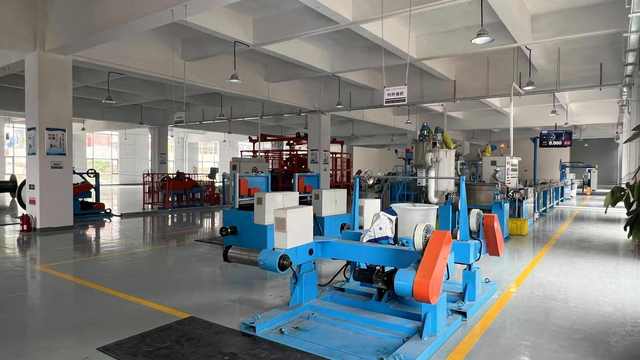
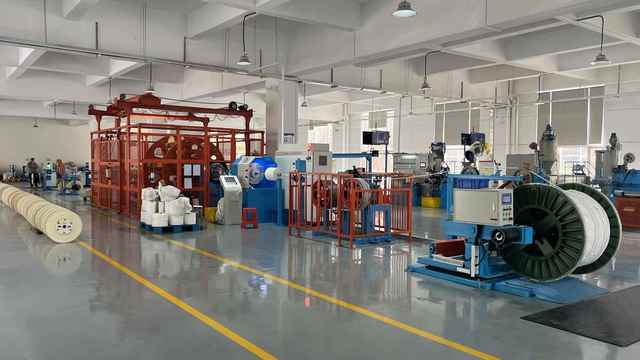
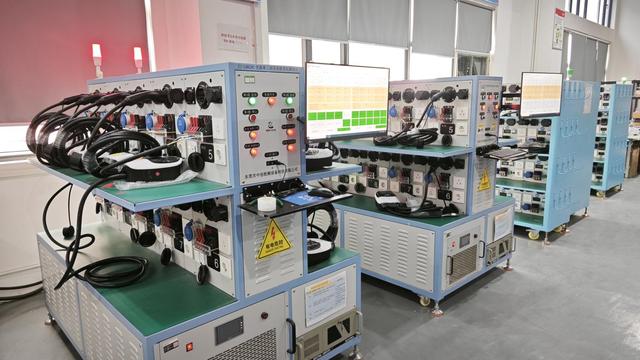
Equipped with modern production facilities and strict quality control systems, VoltEdge ensures reliable manufacturing and consistent product performance. The company supports global clients with flexible OEM and ODM services, offering customized designs, software integration, branding, and scalable charging solutions tailored to diverse project requirements. Committed to driving the future of clean energy transportation, VoltEdge continues to expand its international presence, delivering intelligent, safe, and high-performance EV charging infrastructure solutions worldwide.
Deploying electric vehicle infrastructure along oceanfronts and shipping docks introduces unparalleled climatic challenges that standard inland equipment cannot survive.
Urban and industrial coastal zones represent the main nerve centers of global economic trade and tourism. However, the geographic factors that facilitate trade—direct ocean access, maritime transport lanes, and marine recreation—also pose extreme challenges to electronics and metal frameworks. Specifically, coastal air is saturated with moisture containing microscopic salt crystallization (sodium chloride, magnesium chloride), which accelerates electrochemical degradation. Under standard conditions, atmospheric corrosion rates in high-salinity marine environments (ISO 12944 Category C5-M) can be up to 100 times higher than in dry inland areas.
VoltEdge engineers have prioritized structural integrity, sealing mechanics, and dynamic climate mitigation systems to provide global operators with ultra-reliable coastal infrastructure. By employing specialized alloys, isolation coatings, and advanced thermal management, our coastal charging stations offer resilient and continuous high-voltage power output, directly ensuring maximum uptime and low maintenance costs.
Microscopic salt-water particles penetrate typical ventilation channels, causing rapid short-circuiting, oxidation of PCB copper traces, and progressive dielectric breakdown.
Coastal charging stations must withstand intense physical wind loads, high-velocity sand blasting, and periodic flooding caused by tidal surges or tropical storms.
Direct exposure to unshaded marine sunlight causes rapid UV degradation of polymer casings, thermal expansion issues, and excessive cabinet temperatures.
Explore the deep technology behind the VoltEdge marine-grade charging systems, customized to survive offshore moisture and atmospheric stress.
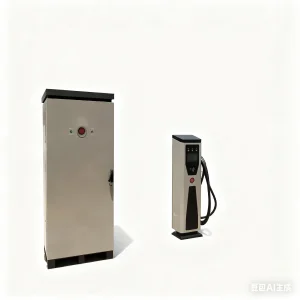
To isolate sensitive power electronic components from contaminated ambient air, VoltEdge coastal charging cabinets utilize a patented dual-cavity structure. The primary electronics chamber is hermetically sealed to IP65/IP66 specifications. Heat exchange is handled via a high-efficiency liquid-to-air or closed-loop air-to-air cooling core. The outer cavity handles air-intake and exhaust exclusively for mechanical cooling channels, utilizing salt-mist filters that remove up to 99% of particulate salt compounds before they can contact internal copper rails.
Additionally, the cabinet enclosure is constructed using hot-dip galvanized structural steel (with a minimum zinc coating weight of 275 g/m²), supplemented by a marine-grade powder paint coat (comprising an epoxy primer, barrier paint layer, and polyurethane topcoat). This robust multilayer finish prevents galvanic corrosion even when the surface undergoes micro-abrasion from sand particles.
All printed circuit boards (PCBs) within the charger feature double-cured polyurethane conformal coatings to seal out ambient moisture and ionic contaminants.
Sacrificial anode connectors and dedicated ground paths mitigate galvanic current transfer, preserving the concrete anchor bolts and internal copper circuits.
Integrated heater strips coupled with humidity sensors monitor the dew point inside the cabinet, automatically heating components to prevent overnight condensation.
How VoltEdge adapts high-power charging architectures to diverse marine and beachfront infrastructure layouts.
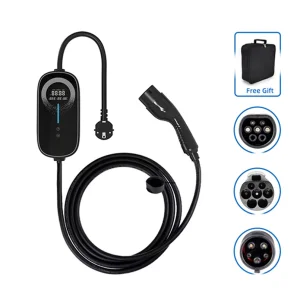
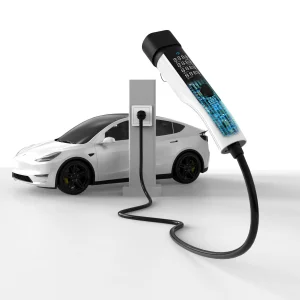
Designed for installation along yacht basins, commercial fishing docks, and marina parking structures. Incorporates payment flexibility (RFID, mobile app, credit card) and supports both high-power DC fast-charging for electric service boats and standard AC charging for marina vehicles and personal cars.
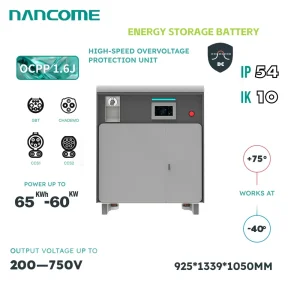
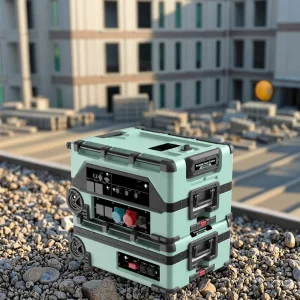
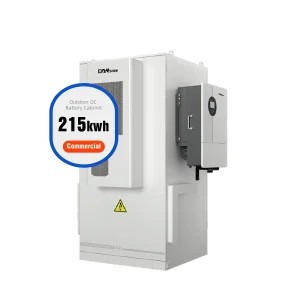
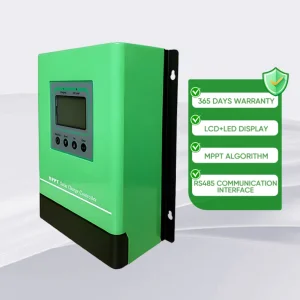
Deploying charging stations on remote islands requires robust power management. VoltEdge links microgrid controllers, MPPT solar controllers, and large scale BESS (Battery Energy Storage Systems) to guarantee operational stability during regional supply fluctuation or complete off-grid conditions.
Optimized for hotels, oceanfront amusement parks, and seaside boardwalks. These chargers feature elegant aesthetic designs combined with robust structural integrity, ensuring that high salt exposure from onshore winds does not compromise the luxury styling and user experience.
Developing next-generation technologies to bridge the gap between electric vessels, coastal grids, and automotive fleets.
VoltEdge is advancing megawatt-level charging interfaces specifically for electric transport barges, high-speed passenger ferries, and heavy harbor machinery. This will cut docking recharge times by over 60%.
Utilizing bidirectional energy systems, coastal EV hubs can operate as virtual power plants. Connected EV fleets and battery-powered vessels feed power back to port grids during peak loading periods, lowering overall demand stress.
Implementing sensor matrices inside cabinets to continuously transmit environmental variables (humidity, saline concentration, filter pressure drop) to cloud platforms, scheduling maintenance prior to component wear.
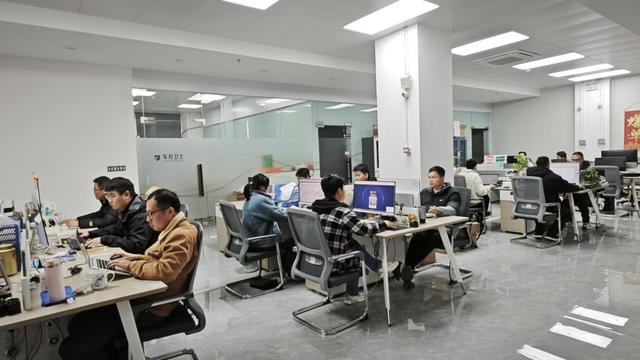
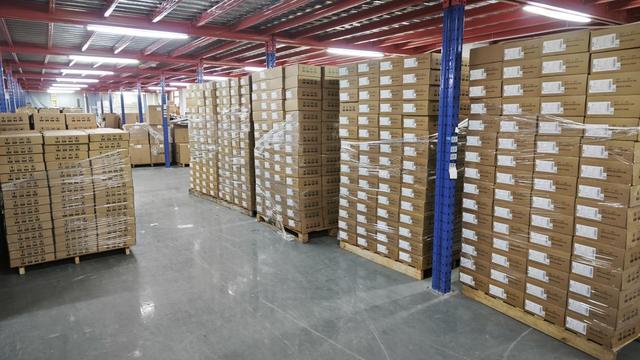
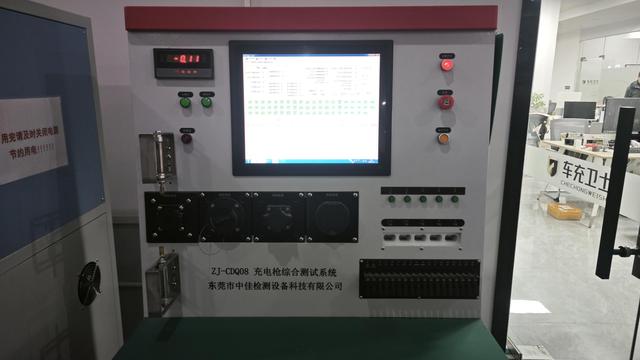
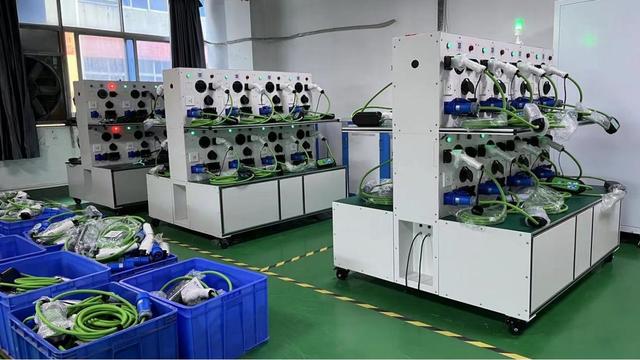
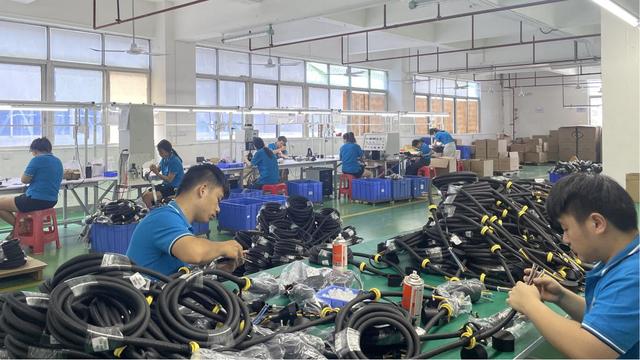
Take a closer look at our state-of-the-art manufacturing plant, testing processes, and high-capacity assembly floor.

In-depth technical answers for procurement officers, urban planners, and maritime fleet operators.
We protect internal systems through a multi-layered design. This includes a hermetically sealed IP65/IP66 enclosure, conformal coating on PCBs, dual-cavity thermal design, and air intake filters. Additionally, we use grade 316 stainless steel hardware and special polymers to prevent galvanic corrosion.
Our charging systems are designed and tested to meet international electrical standards, including IEC 61851, CE, and RoHS. For marine environmental durability, we perform rigorous tests such as ASTM B117 salt spray testing and ISO 12944 corrosion resistance validation.
Yes, our systems integrate easily with solar and battery energy storage systems (BESS). Using our smart controllers and Modbus/OCPP communication protocols, the charging stations can dynamically balance power demand based on real-time solar generation and battery capacity.
VoltEdge chargers are equipped with internal humidity sensors and heating elements. The system continuously calculates the dew point inside the cabinet. If humidity levels rise too high, the heater strips activate automatically to prevent moisture from settling on electrical contacts.
Yes, we provide flexible OEM and ODM services. This includes custom cabinet branding, software integration via OCPP 1.6J/2.0.1, custom payment systems, and mechanical adjustments to fit the structural needs of specific dock and harbor layouts.
Safety is our top priority. Our coastal chargers are built with comprehensive safety features, including Type B RCD (residual current devices), insulation monitoring, overvoltage protection, ground fault circuit interrupters (GFCI), and automatic temperature monitoring.
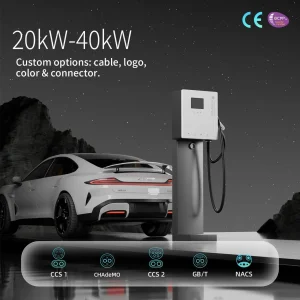
Explore our complete product ecosystem, offering high compatibility and durability for global energy networks.
 VoltEdge Charging