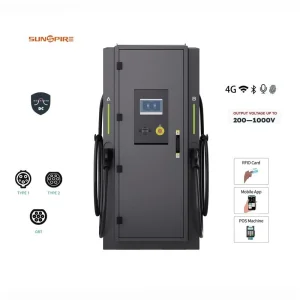
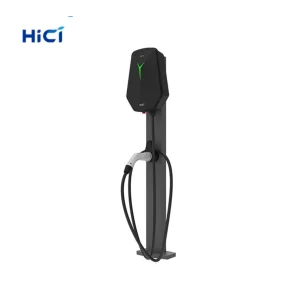
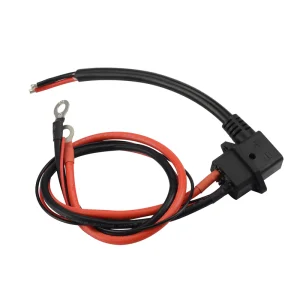
In the rapidly shifting landscape of global electric mobility, the demand for sophisticated EV Charging Station Management has evolved from simple plug-and-charge hardware configurations to complex, cloud-integrated power ecosystems. Today's commercial, municipal, and fleet buyers demand robust interfaces capable of executing advanced load management, handling multiple communication standard protocols (such as OCPP 1.6J and OCPP 2.0.1), and negotiating dynamic grid-interaction capabilities.
As a global Tier 1 OEM/ODM manufacturing partner, we address these technical requirements at the source. Modern EVSE structures require hardware that is not only physically resilient but also digitally intelligent. Through high-frequency hardware instrumentation, predictive analytics diagnostics, and dynamic thermal management systems, our charging configurations provide continuous high-power delivery while preserving internal component lifespans and ensuring system reliability.
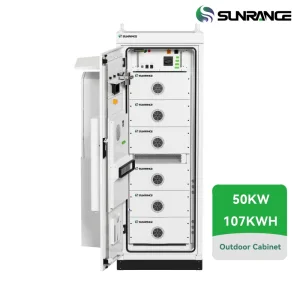
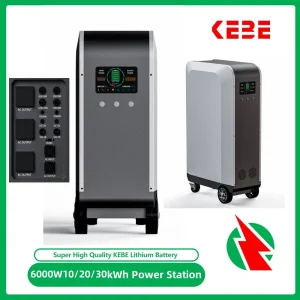
Integrating energy storage systems (BESS) directly at charging sites represents the next major technological leap. By pairing high-power DC fast-charging systems with localized battery storage cabinets, network operators can mitigate localized peak load penalties, capture renewable solar energy, and deliver consistent high voltages to vehicles even when grid capacity is restricted.
Hangzhou VoltEdge Charging Co., Ltd. is a professional EV charging station manufacturer specializing in DC fast chargers and smart charging solutions for global electric mobility markets. With a strong focus on innovation, efficiency, and sustainability, the company provides advanced charging technologies designed to support the rapid growth of electric vehicles across residential, commercial, and public infrastructure sectors.
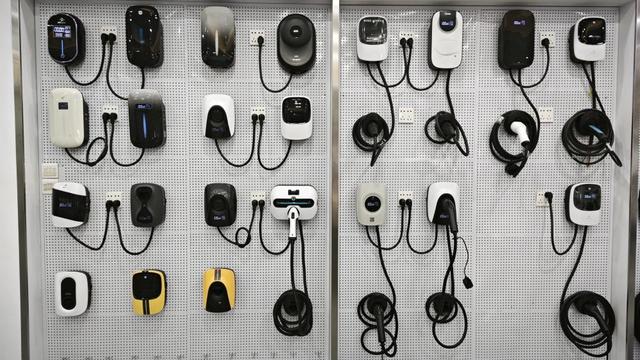
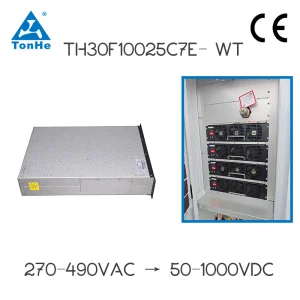
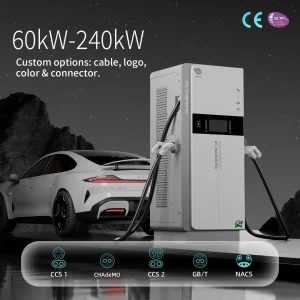
VoltEdge offers a comprehensive portfolio including DC fast charging stations, AC chargers, high-power charging modules, smart charging controllers, and integrated energy management systems. Its solutions are engineered to deliver high efficiency, stable performance, and seamless compatibility with various electric vehicle standards, making them ideal for fleet operations, highway charging networks, urban charging hubs, and private installations.
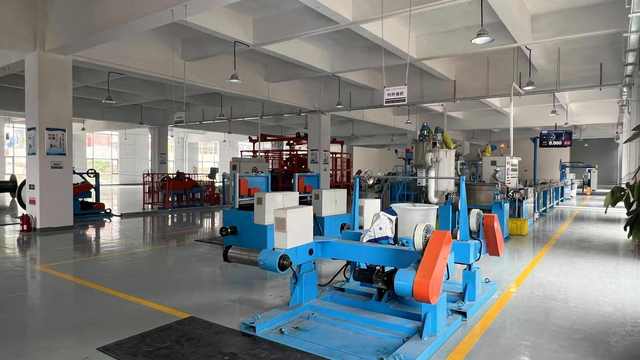
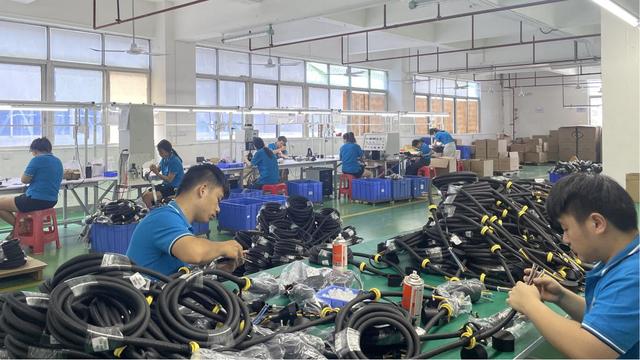
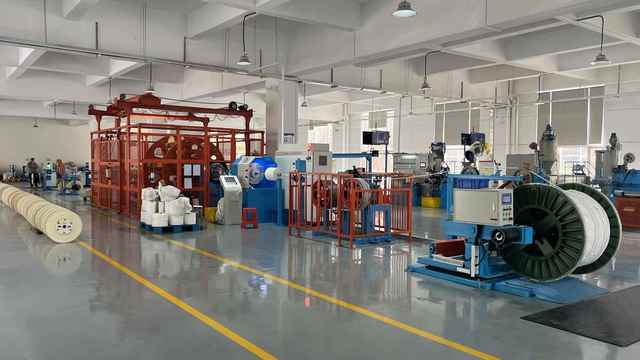
Equipped with modern production facilities and strict quality control systems, VoltEdge ensures reliable manufacturing and consistent product performance. The company supports global clients with flexible OEM and ODM services, offering customized designs, software integration, branding, and scalable charging solutions tailored to diverse project requirements.
Committed to driving the future of clean energy transportation, Hangzhou VoltEdge Charging Co., Ltd. continues to expand its international presence, delivering intelligent, safe, and high-performance EV charging infrastructure solutions worldwide.
China hosts the world's most dense ecosystem of power semiconductor manufacturers, raw copper refiners, cable extruders, and micro-controller suppliers. This structural alignment allows factories to secure high-quality power components with zero lead-time latency, delivering faster project execution cycles for global buyers.
High-volume manufacturing lines amortize design, tooling, and programming overheads over hundreds of thousands of active units. This structural scale optimization allows us to incorporate high-grade components (such as industrial-grade silicon carbide MOSFETs and galvanic isolators) at competitive price points.
Our proximity to electric vehicle manufacturers in East China enables immediate integration and hardware validation. We test communication handshake protocols, dynamic phase switching, and safety mechanisms against new vehicle models, ensuring day-one interoperability.
When purchasing charging hardware, international procurement officers face complex regulatory requirements. An unqualified charging pile poses fire risks, grid feedback hazards, and compatibility failures. We mitigate these risks by strictly adhering to internationally recognized standards across all OEM/ODM projects.
For the European and Middle Eastern markets, our systems are certified to **CE, TUV, and UKCA** guidelines, guaranteeing adherence to electromagnetic compatibility (EMC) regulations, low-voltage directives, and structural safety parameters. For North America, we align designs with **UL 2202 and UL 2231** safety requirements, utilizing high-quality insulation materials and built-in CCID20 ground fault protection circuits.
Hardware compliance is only one part of the equation. Software interoperability via standard protocols is essential for modern operators. Every charger we build supports **OCPP 1.6 JSON and OCPP 2.0.1**, enabling seamless integration with third-party Charging Station Management Systems (CSMS) for payment processing, load monitoring, and remote diagnostics.
Bidirectional power conversion allows EV batteries to supply power back to the grid during peak usage times. We design control boards ready to handle ISO 15118-20 requirements for V2G functionality.
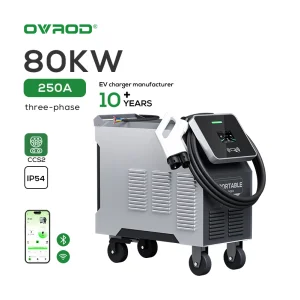
As charging demands scale past 350kW, cables must remain light and manageable. Liquid-cooled assemblies dissipate heat efficiently, enabling quick charging without excessive bulk.
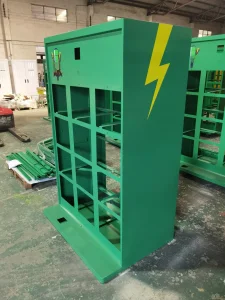
Integrating localized BESS with charging piles reduces the need for expensive grid service upgrades. Operators can draw power from energy storage cabinets during peak periods.
Logistics fleets require structured, predictable charging cycles to keep operations moving. Our systems support scheduled overnight charging and priority-based power distribution. If a delivery vehicle needs to depart within an hour, the system directs power to that station while maintaining low trickle charging for other fleet units, preventing peak demand charges.
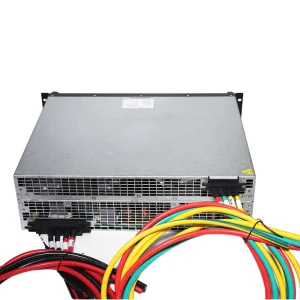
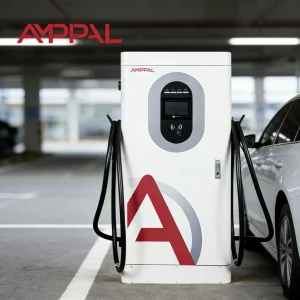
High-turnover locations require high reliability. Our DC fast-charging units utilize modular 50kW power blocks. If one block experiences a fault, the system isolation logic reroutes power, allowing the station to continue operating at a reduced output rather than shutting down completely, maximizing uptime.
For locations with limited grid supply, our dynamic load balancing systems monitor real-time building usage. As building power demand falls in the evening, the system automatically allocates more energy to connected vehicles, protecting local electrical infrastructure.
By combining rooftop solar systems, battery cabinets, and DC fast chargers, operators can run clean microgrid installations. These setups capture solar energy during daytime peaks, store it in lithium battery cabinets, and discharge it to charging vehicles as needed.
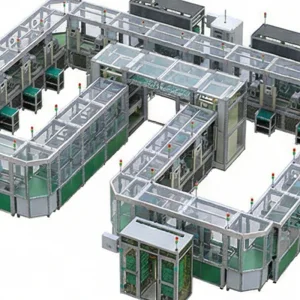
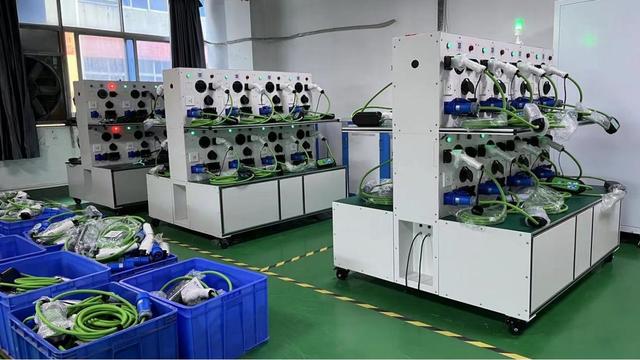
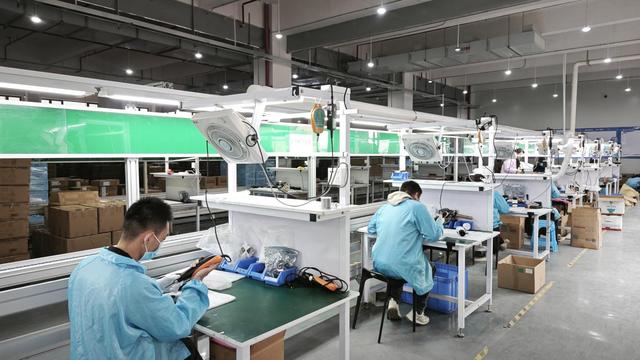
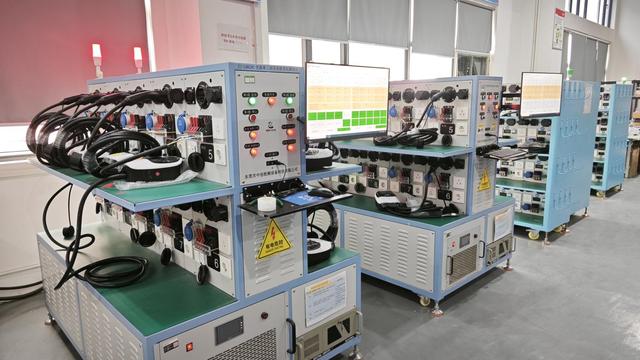
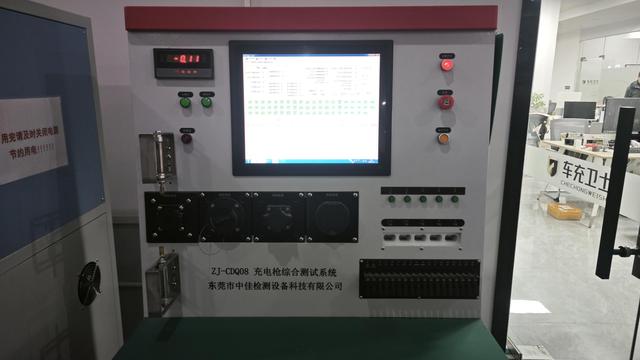
Our production facilities employ advanced assembly systems, strict environmental controls, and automated calibration equipment to deliver high-quality EVSE hardware.
 VoltEdge Charging