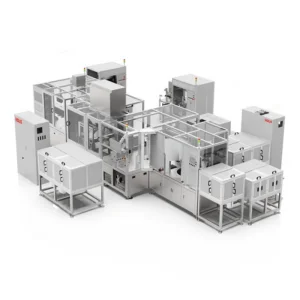
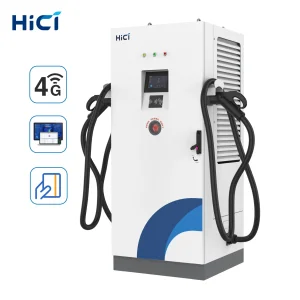
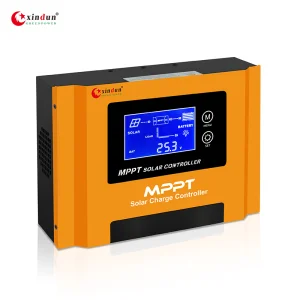
Explore our industrial-grade, CE-certified EV charging and power storage solutions built to maximize operational efficiency and structural safety.
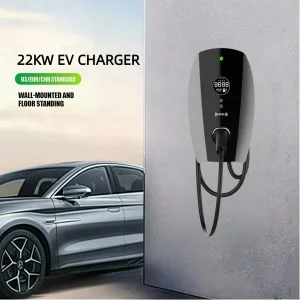
As a premier global supplier of electric vehicle supply equipment (EVSE), Hangzhou VoltEdge Charging Co., Ltd. stands at the vanguard of electric mobility expansion. We specialize in manufacturing CE-certified DC fast charging stations, smart AC wallboxes, high-efficiency power modules, and intelligent energy management systems. By bridging smart engineering with state-of-the-art automation, our factory ensures each product meets rigorous international regulatory, safety, and performance standards.
Our capabilities stretch from public infrastructure planning and municipal depot architectures to commercial fleet retrofits. Whether deploying dynamic load balancing in complex metropolitan basements or designing ultra-high power highway corridors, VoltEdge engineering provides the baseline reliability, modularity, and future-proof design needed by modern developers. We actively support scalable OEM and ODM parameters, providing custom firmware integration, localized telemetry options, and comprehensive aesthetic customizations.
The global EV infrastructure planning landscape is transitioning from localized convenience points to systemic grid networks. High-volume deployments require a sophisticated mix of electrical engineering, hardware modularity, and real-time load management.
Logistics operators and highway hubs require increasingly higher power densities. Transitioning to 800V architectures and liquid-cooled charging couplers allows operators to deliver up to 360kW-480kW per terminal. This minimizes vehicle dwell time and maximizes throughput.
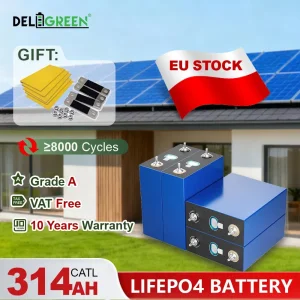
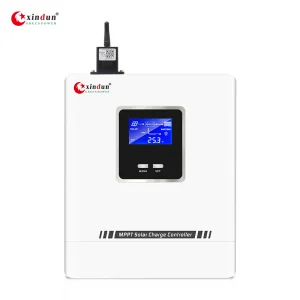
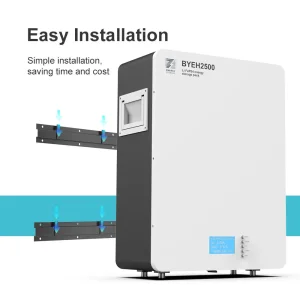
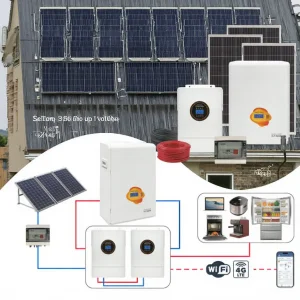
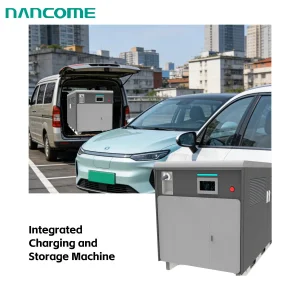
To avoid massive grid upgrade charges, modern planning integrates localized battery storage systems. By coupling charging corridors with solutions like CATL LFP cell storage, sites can buffer peak utility loads, participate in demand-response, and leverage clean solar energy.
Smart algorithms continuously monitor grid capacity and dynamically adjust output voltages across a network of active chargers. Using standards like OCPP 1.6J/2.0.1, operators avoid local substation overloads while ensuring fair charge distribution to all connected EVs.
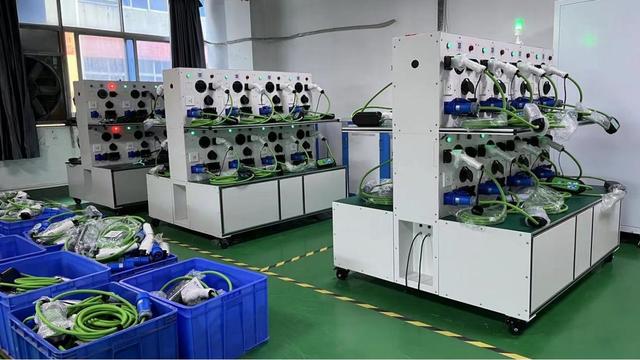
When selecting a factory supplier, multi-regional enterprises, public utilities, and large fleet operators look past basic hardware specifications. Procurement criteria now prioritize structural E-E-A-T indicators. High on this list is a supplier's verified capacity to execute scalable OEM/ODM adaptations, backed by modern factory production lines.
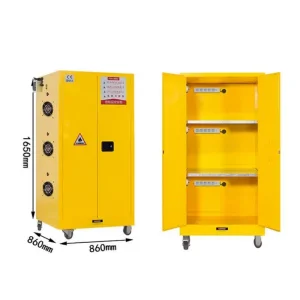
Furthermore, enterprises require comprehensive security safeguards. When charging equipment is integrated near sensitive logistics operations or hazardous materials, systems such as fire-suppressed battery cabinets, heavy-duty explosion-proof enclosures, and emergency stop protocols must be pre-planned. The demand is clear: high-uptime hardware capable of resisting environmental extremes, featuring structural safety layers that align with global insurance directives.
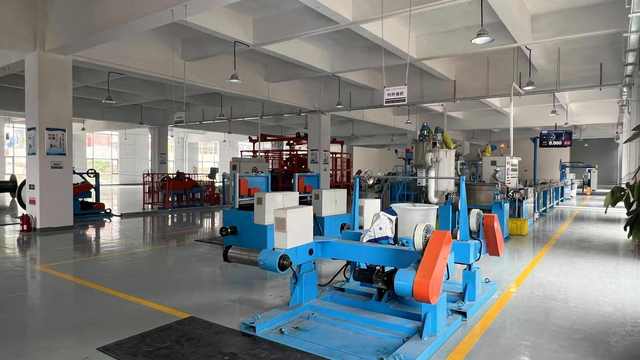
Enterprise buyers map out Total Cost of Ownership (TCO) over 10-15 year cycles. VoltEdge answers this requirement by engineering modular power stacks inside our floor-standing DC chargers. Instead of replacing entire cabinets as power demands scale, operators simply insert higher capacity power modules. This modular planning dramatically reduces maintenance costs, minimizes site downtime, and preserves capital investment over the asset lifecycle.
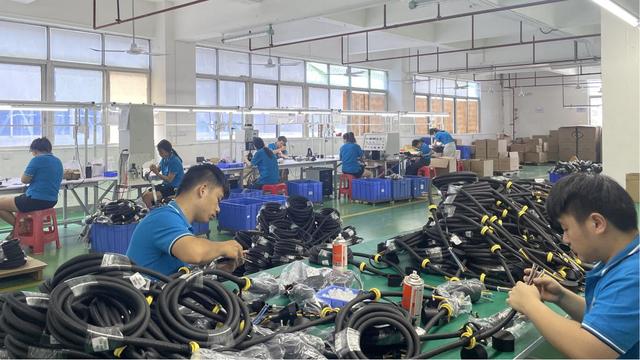
VoltEdge provides comprehensive macro-architectural designs tailored for various physical configurations and commercial frameworks, ensuring system reliability, safety, and high performance.
Installing high-density charging systems in enclosed garages requires strict safety considerations. VoltEdge integrates smart ventilation triggers, advanced overcurrent isolation, and communication repeaters to interface with local building management systems (BMS).
For fleets that charge overnight, we provide sequential and scheduled charging plans. By routing low-cost night electricity, dispatchers save on energy utility premiums, ensuring vehicles are balanced and fully charged by shift commencement.
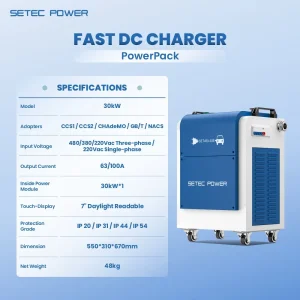
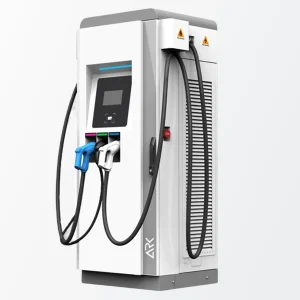
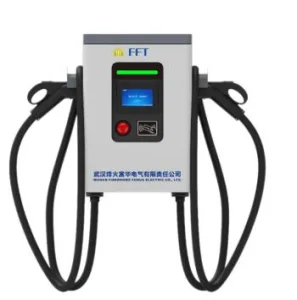
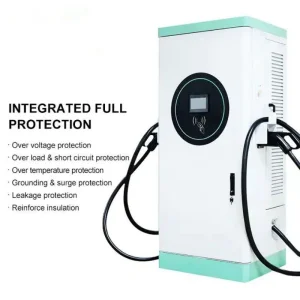
We deploy high-capacity DC fast chargers up to 360kW, featuring intelligent heat dispersion. Dual ports allow simultaneous vehicle charging, splitting power adaptively based on vehicle state-of-charge (SoC) profiles.
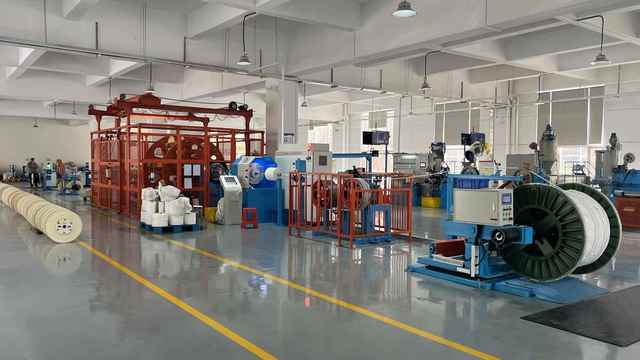
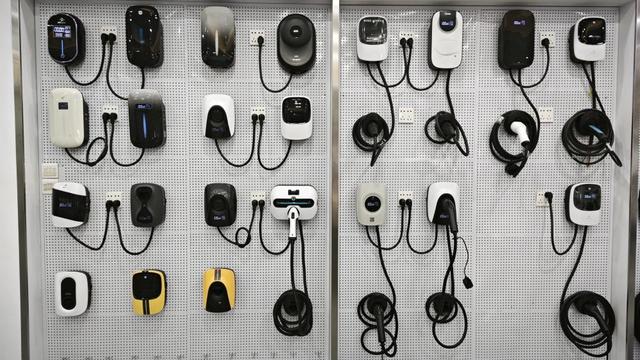

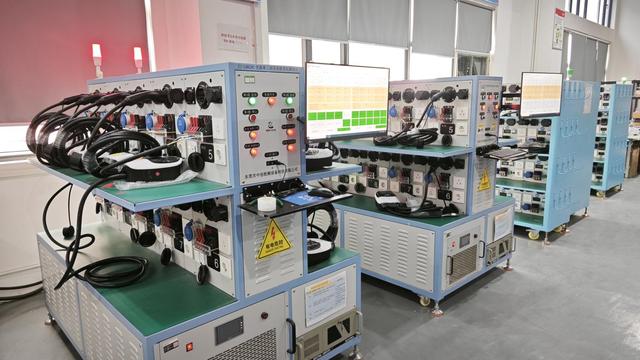

Importing and installing electrical infrastructure requires rigorous compliance verification. Every unit shipped from our facilities undergoes rigorous testing to guarantee full alignment with the European Union's Low Voltage Directive (LVD), Electromagnetic Compatibility (EMC) Directive, and Radio Equipment Directive (RED) for wireless communication models.
Beyond baseline CE certificates, VoltEdge provides detailed electrical documentation, localized installation schematics, and remote diagnostic APIs to help regional installers expedite grid connections and local authority approvals. We maintain active engineering channels to troubleshoot, update, and maintain equipment in alignment with evolving local utility regulations.
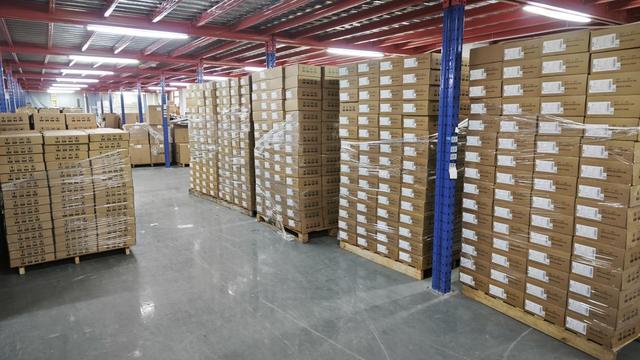
Our commitment to clean energy transportation drives a continuous development cycle. Our research and development focuses on three primary vectors: next-generation cooling systems, advanced smart grid integration, and AI-driven predictive health diagnostics.
By leveraging real-time temperature tracking at the connector pins and utilizing active liquid-cooling loops, we are preparing for the next standard of extreme charging currents. Furthermore, our development team is actively implementing V2G (Vehicle-to-Grid) protocols, transforming parked commercial vehicle fleets into distributed virtual power plants (VPPs) that can supply power back to the grid during peak load hours.
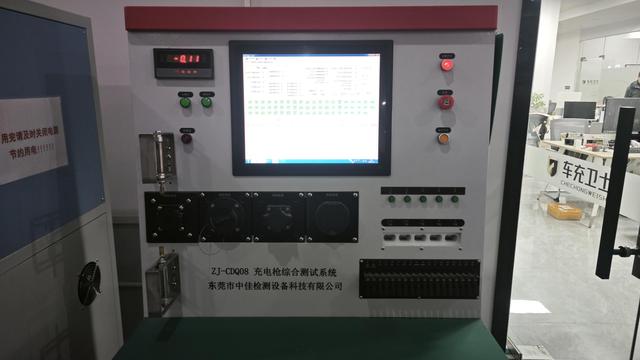
Frequently asked technical questions regarding compliance, integration parameters, and hardware capabilities answered by our lead engineering team.
CE certification ensures compliance with European safety standards, covering electromagnetic compatibility (EMC), low voltage directives (LVD), and user safety protocols. It is a mandatory requirement for European markets and serves as a key safety indicator for developers globally.
Dynamic load balancing uses an algorithm to continuously monitor total building or station power draw. The system automatically adjusts current distribution to each vehicle based on real-time demands, protecting local grid assets from overcurrent events.
Yes, our entire line is compatible with OCPP 1.6J and OCPP 2.0.1 protocols. This allows seamless integration with proprietary software, third-party user interfaces, and mobile payment platforms.
A comprehensive inventory of our advanced hardware components, solar controllers, safety storage, and smart charging stations.
 VoltEdge Charging