How to Understand Smart Charging and How It Works?

Time:2026-05-28 Author:Oliver
0%

Smart charging is a crucial development in energy management. It focuses on optimizing the charging of electric vehicles and other devices. But what is smart charging and how does it work? Understanding these concepts is essential for users and developers alike.

At its core, smart charging utilizes technology to balance demand and supply effectively. This approach can reduce energy costs and support grid stability. Monitoring energy consumption in real-time is one way it achieves this. Different variables affect charging times and rates, from electricity prices to energy sources.

However, challenges exist in implementing smart charging. Not all users fully understand the technology’s benefits. Some may find the system too complex. Others might face issues with compatibility across devices. As the market evolves, addressing these concerns will be vital for broad acceptance and usability.
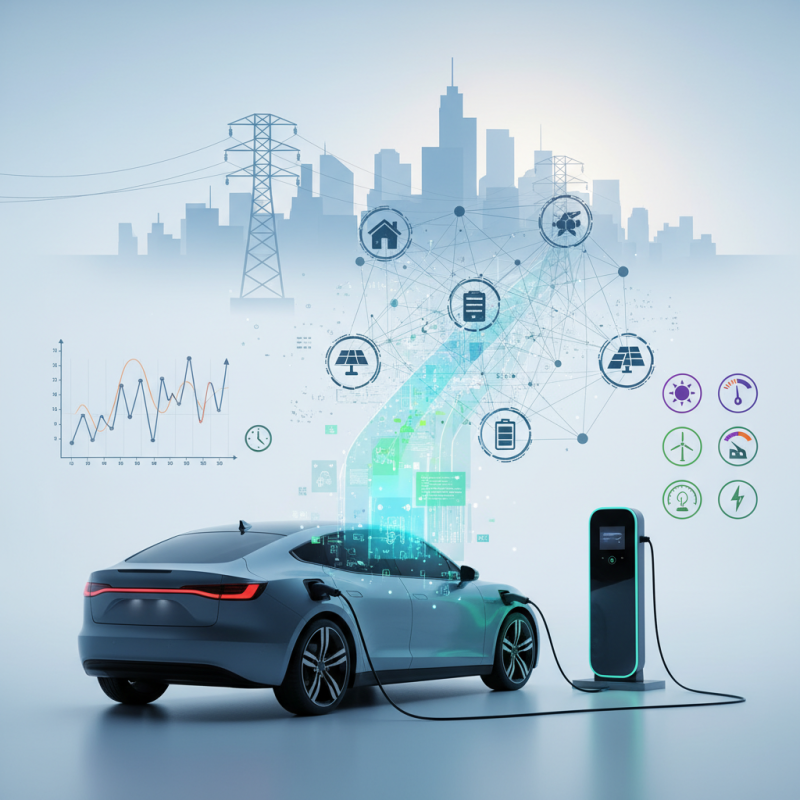
How to Understand Smart Charging and How It Works?

What is Smart Charging and Its Significance in Modern Energy Systems?

Smart charging is a pivotal concept in modern energy systems. It refers to the ability of electric vehicles (EVs) to communicate with charging stations to optimize energy usage. This interaction allows for real-time adjustments, reducing strain on the energy grid. As renewable energy sources become more prevalent, smart charging adapts to fluctuations in energy supply. It ensures that EVs charge during off-peak hours or when there is an abundance of renewable energy available.

The significance of smart charging extends beyond convenience. It promotes grid stability and enhances the use of clean energy. By prioritizing charging times based on grid demands, smart charging protects the environment. Moreover, it has economic implications. Smart charging systems can lower energy costs for users and help balance supply and demand in the grid.

However, its implementation faces challenges. Some users might not understand the technology fully, leading to reliance on traditional charging practices. Educating the public is crucial to maximize its benefits and ensure broad adoption.

Key Components of Smart Charging Technology Explained

Smart charging technology is revolutionizing the way we harness and utilize energy for electric vehicles. Understanding its key components helps to appreciate its benefits. One essential element is the communication system. This system ensures that the charger and vehicle exchange information. Such data includes battery status and energy requirements, which allows for efficient charging.

Another important component is the energy management system. It optimally distributes power among connected devices. This reduces energy waste and ensures that vehicles charge during off-peak hours, saving costs. Real-time monitoring enhances this process, enabling adjustments based on usage patterns.

Tips: To maximize the benefits of smart charging, consider installing a home charging station. This can provide convenience and efficiency. Additionally, stay informed about your vehicle's charging capabilities. Knowing when to charge can lead to significant savings in energy costs. Remember, while smart charging is beneficial, it’s important to remain aware of technological limitations. This technology is evolving, and challenges still exist. Embracing these advancements can pave the way for improvements in electric vehicle charging solutions.

How to Understand Smart Charging and How It Works?

Component Description Function
Smart Charger A device that regulates the flow of electricity to the vehicle Ensures efficient charging by adjusting output based on battery status
Communication Protocols Standards for data exchange between charger and vehicle Facilitates real-time monitoring and control
Energy Management System Software that optimizes energy distribution Maximizes efficiency and reduces costs
Grid Integration Connection to the electricity grid for energy supply Enables use of renewable energy sources and peak shaving
User Interface Application for users to monitor and control charging Enhances user experience and accessibility

How Smart Charging Optimizes Electric Vehicle Battery Management

Smart charging is a pivotal aspect of electric vehicle (EV) technology. It enhances battery management by optimizing charging patterns. This technology uses data and algorithms to determine the best time and rate to charge the battery. By taking into account electricity prices and grid demand, smart charging ensures that EVs charge efficiently.

Through real-time communication with charging stations, smart charging can adjust charging speeds. This flexibility helps prevent battery damage and prolongs lifespan. It adapts charging based on user habits and avoids peak demand times. As a result, drivers may save on costs while contributing to grid stability. However, implementing these systems can pose challenges, such as integration with existing infrastructure.

Understanding this concept requires a deeper look at battery health. Overcharging and excessive heat can reduce the efficiency of an electric vehicle. Smart charging prevents these issues by controlling energy flow. Nevertheless, not all users are familiar with this technology. Education and awareness are necessary for making the most of smart charging benefits. As EV adoption increases, knowledgeable users will be essential for maximizing efficiency and reliability.

The Role of Communication Protocols in Smart Charging Systems

Smart charging systems enhance the efficiency of electric vehicle (EV) charging. They rely heavily on communication protocols to function effectively. These protocols enable devices to exchange information, improve power management, and ensure safety. Without them, the charging process would be chaotic and inefficient.

Effective communication protocols facilitate real-time monitoring, optimizing energy usage based on grid demand. For instance, they allow charging stations to adjust the charging speed based on available energy. This dynamic interaction drastically reduces grid strain during peak times. Yet, there are challenges. Protocols can vary between manufacturers, complicating interoperability.

Tips: Ensure your charging station uses widely accepted protocols. This will enhance compatibility and future proof your investment. Stay informed about updates in technology. This knowledge can help you anticipate changes in performance.

Integrating smart charging into everyday life means understanding these communication protocols. They not only enhance user experience but also promote a more sustainable future. Reflection is crucial. Consider the implications of standardization versus innovation in these systems. Balancing these aspects can lead to improved smart charging solutions, benefiting all EV users.

Benefits and Challenges of Implementing Smart Charging Solutions

Implementing smart charging solutions presents both benefits and challenges. On one hand, smart charging can optimize energy use, reduce costs, and integrate renewable energy sources. According to a report by the International Energy Agency (IEA), smart charging could cut peak demand by 30% if widely adopted. This is crucial as grid operators face growing challenges with fluctuating energy demand.

On the flip side, integrating such technologies can encounter obstacles. Infrastructure limitations and interoperability between systems are significant issues. A survey by the Electric Power Research Institute (EPRI) highlights that 43% of utility companies face barriers in deploying smart charging infrastructure. Addressing these challenges requires collaboration among stakeholders and a commitment to updating existing systems.

Tips: Focus on reliable data. Research local regulations and guidelines. Assess infrastructure readiness before investing in smart charging. Consider potential future developments to ensure long-term viability. Engaging community feedback can also provide valuable insights into user needs. Balancing these factors is essential for successful implementation.

FAQS

: What is smart charging?

: Smart charging allows electric vehicles to communicate with charging stations for energy optimization.

Why is smart charging important?

It enhances grid stability and promotes the use of renewable energy.

How does smart charging benefit users?

It can lower energy costs and balance supply and demand in the energy grid.

What challenges does smart charging face?

Infrastructure limitations and interoperability issues pose significant obstacles.

How can we educate users about smart charging?

Providing clear information and resources is vital to boost understanding.

What impact could smart charging have on peak demand?

It could reduce peak demand by up to 30% with widespread adoption.

Are there specific tips for implementing smart charging?

Assess local regulations, infrastructure readiness, and community feedback before investing.

What are common misunderstandings about smart charging?

Users often rely on traditional charging practices, lacking awareness of smart systems.

Why is collaboration needed in smart charging implementation?

Stakeholders must work together to overcome infrastructure and tech integration challenges.

What should future developments focus on?

Ensuring long-term viability by considering advancements and evolving user needs.

Conclusion

Smart charging is an innovative technology designed to enhance the efficiency of electric vehicle (EV) charging by intelligently managing the energy flow. To understand what is smart charging and how it works, it is important to recognize its significance in modern energy systems, where it facilitates the integration of renewable energy sources and optimizes grid resources. Key components of smart charging include advanced communication protocols that enable real-time data exchange between EVs, charging stations, and energy providers, ensuring that charging occurs at optimal times and rates.

Moreover, smart charging solutions improve battery management by adjusting charging speeds based on battery conditions and energy availability, ultimately prolonging battery life and enhancing safety. While the benefits of smart charging are extensive—such as reducing energy costs and minimizing grid congestion—there are also challenges to overcome, including the need for robust infrastructure and standardization. Overall, smart charging represents a crucial advancement in the evolution of sustainable energy usage.

Oliver

Oliver

Oliver is a seasoned marketing professional with a wealth of expertise in driving brand awareness and engagement. With a deep understanding of our company's product offerings, he consistently delivers high-quality content that enriches our professional blog. His insights not only shed light on......