As electric vehicles (EVs) become more prevalent, the question of "what power capacity is needed for charging infrastructure" is crucial. The charging infrastructure must evolve to meet the increasing demand. It is not just about the number of chargers but also about their power capacities. Selecting the right capacity can significantly affect the efficiency and convenience of EV charging.
Understanding power capacities is complex. Too low a capacity can lead to long wait times. On the other hand, excessively high capacities may incur unnecessary costs. It is crucial to balance these factors. Cities and businesses must assess their unique needs. This involves considering vehicle types and charging habits.
Decision-makers often struggle with these technical aspects. Comprehensive analysis is needed to make informed choices. Mistakes in this area can lead to inefficient systems and frustrated users. Therefore, experts recommend detailed assessments to align charger capacities with community requirements. By focusing on the right power levels, the infrastructure can effectively support the future of transportation.
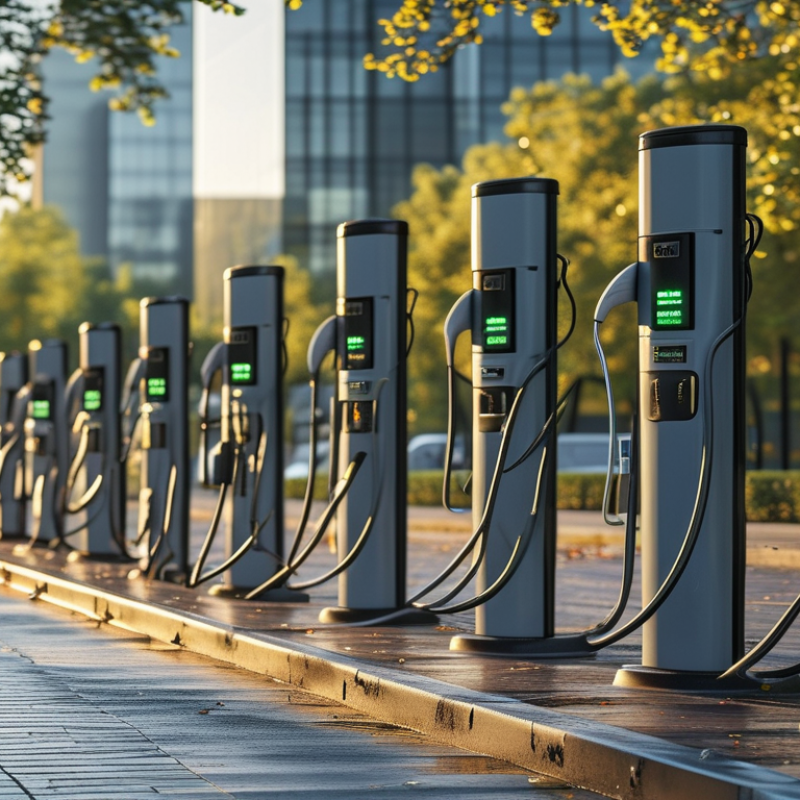
Power capacity is a critical aspect of charging infrastructure, providing the foundation for efficient electric vehicle (EV) charging. As the global EV market grows, understanding these capacities becomes vital. According to the International Energy Agency (IEA), electric vehicle sales reached a record 6.6 million units in 2021, and this figure is projected to increase further. To support this surge, charging stations must offer power capacities that meet user demands effectively.
The right power capacity influences charge times and grid stability. Most public charging stations operate at capacities of 50 kW to 350 kW. This range allows for rapid charging options that can significantly reduce downtime for drivers. For instance, DC fast chargers typically have a power output of 150 kW, enabling an EV to gain about 200 miles of range in just 30 minutes. Yet, many urban areas face challenges in meeting these power demands, often resulting in longer wait times for drivers.
Additionally, grid compatibility is a pressing concern. Utilities are investing heavily in upgrading infrastructure. Reports suggest that by 2040, charging stations will require a power capacity of approximately 50 GW just in the U.S. alone to accommodate the expected number of electric vehicles. Engineers and city planners must carefully consider how they allocate resources to prevent outages and guarantee a reliable charging experience for users.
The power capacity of charging stations is crucial for efficient electric vehicle (EV) charging. Several factors directly influence this capacity. One major element is the type of charger deployed. Level 1 chargers provide limited power, while Level 3 chargers can supply high capacity, significantly reducing charging time. Choosing the right charger impacts the overall user experience and station effectiveness.
Grid infrastructure plays a pivotal role in determining power capacity. Regions with outdated electrical grids might struggle to support high-power charging stations. This limitation can hinder the growth of charging networks. Moreover, local regulations and incentives can either promote or restrict the installation of high-capacity facilities. Understanding regional capabilities is essential for stakeholders in the EV market.
Site location is another key consideration. Stations near high-traffic areas may need more power to meet demand than those in rural zones. Additionally, factors like peak demand times can overwhelm charging infrastructures. Not all locations can handle the increase in power needs during rush hours. This variability necessitates flexible planning and adaptability in designing charging stations to ensure they can evolve with the growing EV landscape.
When developing effective charging infrastructure, selecting the right power capacities is crucial. Higher charging capacities facilitate faster charging times, helping users quickly recharge their electric vehicles. For instance, levels of 50 kW to 350 kW can greatly enhance user satisfaction. This increase in efficiency not only attracts more users but also reduces the peak demand on the grid.
Different power capacities offer varying benefits. A 22 kW charger is suitable for overnight charging, while 150 kW can significantly decrease the time needed at charging stations. These options create opportunities for convenient locations, potentially increasing the station's usage. However, stakeholders must consider installation costs and electrical grid capabilities when choosing these options.
With this evolution in charging capacities, addressing infrastructure limitations remains essential. It’s important for investors to think about local energy resources and user habits. Balancing efficiency with practicality will ensure long-term sustainability. Ultimately, the effectiveness of charging infrastructure depends on its ability to adapt to various power capacities and the specific needs of drivers. Reflecting on these aspects can foster continual improvement in charging technology.
| Power Capacity (kW) | Charging Time (hours) | Efficiency (%) | Cost Estimate ($) | Ideal Usage |
|---|---|---|---|---|
| 3.7 | 6-8 | 85 | 1,000 | Residential Charging |
| 7.4 | 4-6 | 90 | 2,500 | Home and Workplace |
| 11 | 2-3 | 95 | 5,000 | Public Charging Stations |
| 22 | 1-2 | 97 | 15,000 | Fast Charging |
| 50 | 0.5-1 | 98 | 30,000 | Ultra Fast Charging |
| 150 | 0.2-0.5 | 99 | 100,000 | High-Powered Electric Buses |
| 350 | 0.1-0.2 | 99.5 | 250,000 | Next-Gen EV Charging |
| 450 | 0.1-0.15 | 99.7 | 300,000 | High-Performance Charging |
| 600 | 0.15-0.25 | 99.8 | 400,000 | Future-Proof Charging Stations |
| 800 | 0.2-0.3 | 99.9 | 500,000 | Ultra-Fast Charging Networks |
As electric vehicles (EVs) become more widespread, the demand for effective charging infrastructure grows. A comparative analysis of charging power capacities reveals significant differences in efficiency and convenience. Data from the International Energy Agency indicates that fast chargers, typically rated at 150 kW or higher, can provide an 80% charge in about 30 minutes. In contrast, standard Level 2 chargers, operating at 7.2 kW, require several hours for a full charge.
Understanding these power capacities is crucial for urban planning and EV adoption. In urban areas, installing higher-capacity chargers at key locations can reduce wait times dramatically. Reports suggest that cities implementing a mix of charging options see higher user satisfaction rates. However, it is important to reflect on the challenges of integrating these systems seamlessly. For instance, the electrical grid may struggle to support multiple high-capacity chargers simultaneously, leading to potential overloads.
Moreover, while high-capacity chargers are essential, they aren't universally accessible. Many homes still rely on lower-capacity chargers due to infrastructure limitations. This disparity can hinder the transition to electric mobility, making it vital for policymakers to address infrastructure gaps. Stakeholders must assess their specific needs, considering both high-capacity and standard charging solutions to create an effective, inclusive charging ecosystem.
The evolution of charging infrastructure is crucial for the rise of electric vehicles (EVs). Recent studies indicate that by 2025, the global demand for EV charging stations could reach over 9 million. This surge necessitates an increase in power capacities. Experts emphasize that charging stations need to evolve, integrating higher power capacity solutions. For instance, ultra-fast charging stations must exceed 350 kW to accommodate future EV requirements.
As cities transition to greener alternatives, portable and modular charging solutions are gaining traction. These innovations allow for rapid deployment, particularly in urban areas. Research shows that modular solutions can reduce installation time by up to 50%. However, challenges remain in ensuring that these infrastructures are sustainable. Providing adequate energy supply without overloading existing grids presents a significant hurdle.
Incorporating flexible energy solutions is essential. Renewable sources like solar energy can be integrated into charging stations. This will create a more sustainable ecosystem. Additionally, energy storage systems can help manage fluctuations in demand. As we face increasing pressure on power grids, anticipating these needs is vital.
Consider local energy regulations to navigate the complexities of installation. Engage with stakeholders early to align on project expectations. Exploring partnerships with renewable energy providers can further enhance sustainability initiatives. Balancing power capacities with sustainable practices is the way forward for effective charging solutions.
: Several factors impact power capacity, including charger type, grid infrastructure, local regulations, and site location.
Level 1 chargers provide limited power. Level 3 chargers can supply high capacity, reducing charging time significantly.
Outdated electrical grids may struggle with high-power charging. This can hinder the growth of charging networks.
Stations near high-traffic areas may require more power. Rural zones typically have lower power demands.
Higher capacities lead to faster charging times, improving user satisfaction and reducing peak grid demand.
A 22 kW charger is ideal for overnight charging, balancing convenience and efficiency.
Installation costs and local grid capabilities are crucial factors to consider for practical implementation.
During rush hours, charging infrastructure can become overwhelmed, requiring flexible planning and adaptability.
Understanding local energy resources and user habits can foster sustainable charging solutions.
Adapting to various power capacities ensures the effectiveness of stations and meets drivers' specific needs.
The article "Top 10 Power Capacities for Effective Charging Infrastructure" explores the critical role of power capacity in the development and efficiency of charging stations. Understanding what power capacity is needed for charging infrastructure is essential for optimizing performance and meeting the growing demand for electric vehicle charging. The article outlines key factors that influence these power capacities, such as grid connectivity, technological advancements, and the types of vehicles being charged.
Additionally, it presents a comparative analysis of various charging power capacities, highlighting their benefits in enhancing charging efficiency and reducing wait times for users. The discussion also includes future trends aimed at achieving sustainable charging solutions, emphasizing ongoing innovations that can improve power delivery in charging networks. Overall, a comprehensive understanding of power capacities is vital for developing effective and scalable charging infrastructure.

VoltEdge Charging