China Top 10 Electric Vehicle Charging Trends for the Future?

Time:2026-06-01 Author:Aria
0%

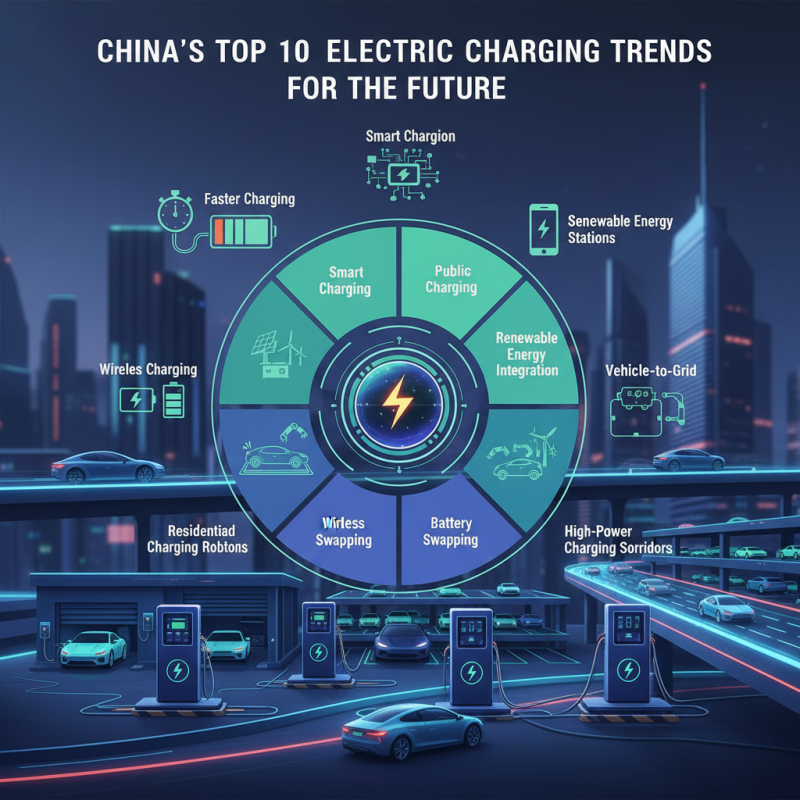
As electric vehicles (EVs) become increasingly popular, the demand for efficient charging solutions will grow. Understanding what is the future of electric vehicle charging is crucial. Various trends indicate how this technology will evolve. We will explore advancements that will shape the charging landscape in China and beyond.

The first trend revolves around faster charging technology. People are looking for quick solutions to minimize downtime. This desire fuels research into new materials and battery designs. Additionally, smart charging stations are emerging. These stations will connect to the grid, allowing for energy optimization. Convenience is vital; we need to think about user experience too.

Finally, developments in renewable energy integration are necessary. Using solar and wind power to charge EVs makes the process more sustainable. However, challenges such as grid reliability and storage remain. As we ponder these trends, it's crucial to reflect on their implications. Adopting these technologies may not be a smooth journey; obstacles will arise. Nevertheless, the potential rewards are significant, prompting further exploration of what the future holds.
China Top 10 Electric Vehicle Charging Trends for the Future?

Emerging Technologies in Electric Vehicle Charging Infrastructure

The electric vehicle (EV) landscape is rapidly evolving. Emerging technologies in charging infrastructure play a critical role in this transformation. One key area is ultra-fast charging. This technology can significantly reduce charging times. Some chargers can provide an 80% charge in just 15 minutes. This convenience could drive more consumers to adopt electric vehicles.

Wireless charging is another exciting development. It eliminates the need for physical cables. Instead, vehicles can charge simply by parking over a charging pad. This could make charging more accessible and user-friendly. However, this technology is still in its early stages. There are concerns about efficiency and installation costs.

Battery swapping is an emerging trend. It allows drivers to replace a depleted battery with a fully charged one in minutes. This method could address range anxiety and charging time issues. However, standardization remains a major challenge. Different vehicle models often use different battery sizes and interfaces. Effective solutions are necessary for widespread adoption.

Growth of Fast Charging Stations Across Urban and Rural Areas

The rise of electric vehicles (EVs) in China is accelerating, leading to a significant increase in charging infrastructure. Fast charging stations are becoming essential in both urban and rural areas. According to a report by the China Electric Vehicle Charging Infrastructure Promotion Alliance, by 2025, there could be over 1.2 million charging stations nationwide, with a significant portion designed for rapid charging.

In urban settings, the demand for fast charging is driven by the growing number of EV users. Data suggests around 70% of EV owners prefer fast chargers due to convenience. Fast charging reduces waiting time to about 30 minutes for an 80% charge. In contrast, rural areas are beginning to see a surge in installations as well. However, challenges remain, including grid capacity and site selection. Many rural locations still lack sufficient infrastructure to support fast charging, which can hinder adoption.

Moreover, while fast charging technology is advancing, issues exist. Charging speeds can vary significantly based on local grid conditions. Some users report inconsistent performance at different stations. This inconsistency raises questions about reliability and the overall user experience. Addressing these concerns is crucial for future growth. Innovation in energy management and collaboration between stakeholders could enhance the effectiveness of fast charging solutions across diverse regions.

China Top 10 Electric Vehicle Charging Trends for the Future

Trend Urban Growth Rate (%) Rural Growth Rate (%) Projected Number of Stations by 2025 Average Charging Time (minutes)
Increased Adoption of Fast Chargers 25 15 300,000 30
Integration of Renewable Energy 20 10 250,000 25
Expansion into Rural Areas 15 35 200,000 40
Smart Charging Solutions 30 20 350,000 20
Government Incentives for Station Development 18 12 280,000 35
Collaboration with Private Sector 22 14 320,000 28
Enhanced User Experience with Apps 26 18 270,000 15
Focus on Sustainable Materials for Stations 20 10 250,000 32
Mobility as a Service Integration 28 12 340,000 18
Government Policy Enhancements 23 16 300,000 27

Integration of Renewable Energy Sources in Charging Solutions

The future of electric vehicle (EV) charging in China will heavily feature renewable energy sources. Solar and wind power can significantly reduce carbon emissions. This shift not only helps the environment but also supports energy independence. Smart integration of these sources in charging stations is crucial.

Many charging networks are experimenting with solar panels. These panels can provide clean energy right where it’s needed. Wind turbines, although more challenging to integrate, offer another renewable option. Batteries from EVs can store excess energy generated, ensuring availability during peak usage times.

Challenges remain. Weather variability impacts renewable energy consistency. Developers must find solutions to ensure reliable power supply. Also, many regions lack the infrastructure for widespread implementation. Increased investment and innovation are needed to tackle these issues. A thoughtful approach will help maximize the benefits of renewable integration in EV charging.

Impact of Government Policies on EV Charging Development

Government policies are pivotal in shaping the future of electric vehicle (EV) charging infrastructure in China. Currently, the Chinese government aims to have 20% of all vehicles on the road be electric by 2025. This ambitious target significantly influences EV charging development. According to a report by the China Electric Vehicle Charging Infrastructure Promotion Alliance, there were over 1.68 million public charging points by mid-2023. However, the distribution of these charging stations often remains uneven.

Policies promoting aggressive installations are crucial. Incentives for private investments in charging networks have shown success. For instance, rebates and tax benefits have encouraged the private sector to contribute to a more robust charging ecosystem. Still, challenges persist. Many urban areas lack sufficient charging stations, creating inconvenience for EV users. The government needs to address these disparities urgently.

Additionally, regulations regarding charging standards are evolving. As different manufacturers adopt various technologies, a unified standard is essential. This inconsistency can deter new users from transitioning to electric cars. A recent study indicated that 30% of potential EV buyers cite charging convenience as a key barrier. Increasing uniformity in charging technologies could boost the adoption rate. Therefore, continuous refinement of policies and infrastructure is necessary for a sustainable EV future in China.

Consumer Behavior and Its Influence on Charging Trends in China

Consumer behavior significantly shapes the future of electric vehicle (EV) charging trends in China. As more individuals adopt EVs, preferences vary widely. Some drivers prioritize fast charging stations due to time constraints. They want a quick top-up during busy days. Others may prefer the convenience of home charging, allowing them to refill while resting. This divergence in needs influences charging infrastructure development.

Urban areas are seeing a surge in demand for accessible charging points. Consumers prefer locations near shopping centers or workplaces. This convenience factor often overrides considerations of cost or charging speed. However, challenges remain. Many users feel anxious about the availability of charging stations. This concern can hinder their decision to adopt electric vehicles.

Additionally, the social aspect of EV ownership is becoming prevalent. Communities are starting to form around shared charging experiences. Users share information about available stations and effective routes. This creates a network of support among electric vehicle owners. However, there is still a lack of standardization in charging solutions. This inconsistency can frustrate consumers. Thus, understanding these behaviors is crucial for developing effective charging strategies in the future.

FAQS

: What is ultra-fast charging for electric vehicles?

: Ultra-fast charging can provide 80% charge in just 15 minutes. This reduces waiting time significantly for users.

How does wireless charging work?

Wireless charging uses a charging pad instead of cables. Vehicles charge just by parking over the pad.

What challenges exist with wireless charging?

Efficiency and installation costs are concerns. The technology is still in its early stages and needs improvement.

What is battery swapping in EVs?

Battery swapping allows drivers to replace depleted batteries quickly. It addresses range anxiety and long charging wait times.

Why is standardization important for battery swapping?

Different vehicle models have various battery sizes and interfaces. Standardization is essential for widespread acceptance of battery swapping.

How are charging stations growing in rural areas?

Fast charging stations are increasing, yet many rural areas lack sufficient infrastructure. This can limit electric vehicle adoption.

What are the government policies influencing EV charging?

Policies aim for 20% electric vehicles by 2025, which impacts charging infrastructure development. The distribution of stations is uneven.

What incentives help improve charging networks?

Rebates and tax benefits encourage private investments. They play a crucial role in building a robust charging ecosystem.

What is a barrier for potential EV buyers?

Inconsistent charging technologies deter 30% of potential buyers. Convenience in charging remains a crucial factor for adoption.

How important is a unified charging standard?

A unified standard could boost EV adoption rates. It makes charging more accessible and reliable for consumers.

Conclusion

As the landscape of electric vehicle (EV) charging continues to evolve, several key trends are shaping what is the future of electric vehicle charging in China. Emerging technologies are enhancing the efficiency and capability of charging infrastructures, ensuring that both urban and rural areas benefit from a growing network of fast charging stations. This expansive rollout is critical as it addresses the rising demand for convenient and quick charging options, allowing more consumers to embrace electric mobility.

In addition, the integration of renewable energy sources into charging solutions is a pivotal trend, enabling a more sustainable approach to powering EVs. Government policies play a significant role in promoting the development of charging stations, further driving adoption and consumer engagement. Moreover, understanding consumer behavior is essential, as it influences preferences and adoption rates of EV charging solutions. Together, these factors illustrate a promising and transformative future for electric vehicle charging in China.

Aria

Aria

Aria is a dedicated marketing professional with a deep passion for innovative strategies and a keen understanding of our company's product offerings. With a wealth of experience in the industry, Aria excels at crafting engaging content that highlights the unique features and benefits of our......