Managing several EV charging stations is no longer a simple matter of installing more plugs. Operators must coordinate energy demand, software platforms, maintenance teams, payment systems, and driver expectations. A station can look busy and still perform poorly if chargers remain offline, cables are damaged, or vehicles occupy spaces after charging ends.
Oleg Logvinov, a recognized interoperability expert and former chair of CharIN North America, has emphasized, “Interoperability is essential for mass adoption.” His point applies directly to how to manage multiple charging stations efficiently. Different charger models, networks, vehicles, and payment tools must communicate reliably. Without that connection, staff may spend hours checking separate dashboards and responding to avoidable complaints.
This guide presents seven practical ways to improve daily operations. It covers live monitoring, preventive maintenance, load balancing, staff workflows, pricing control, and customer communication. For example, a clear dashboard can reveal that Station 3 is drawing excessive power, while Station 7 has failed twice since Monday. Those details support faster decisions.
Real-world management is rarely perfect. Data may arrive late. A replacement part may take days. Some drivers will still ignore parking limits. That is why strong operators review performance regularly and adjust their procedures. Efficiency does not mean removing every problem. It means identifying problems earlier, limiting their impact, and learning from each failure. The following tips provide a practical foundation for more reliable, scalable charging operations.
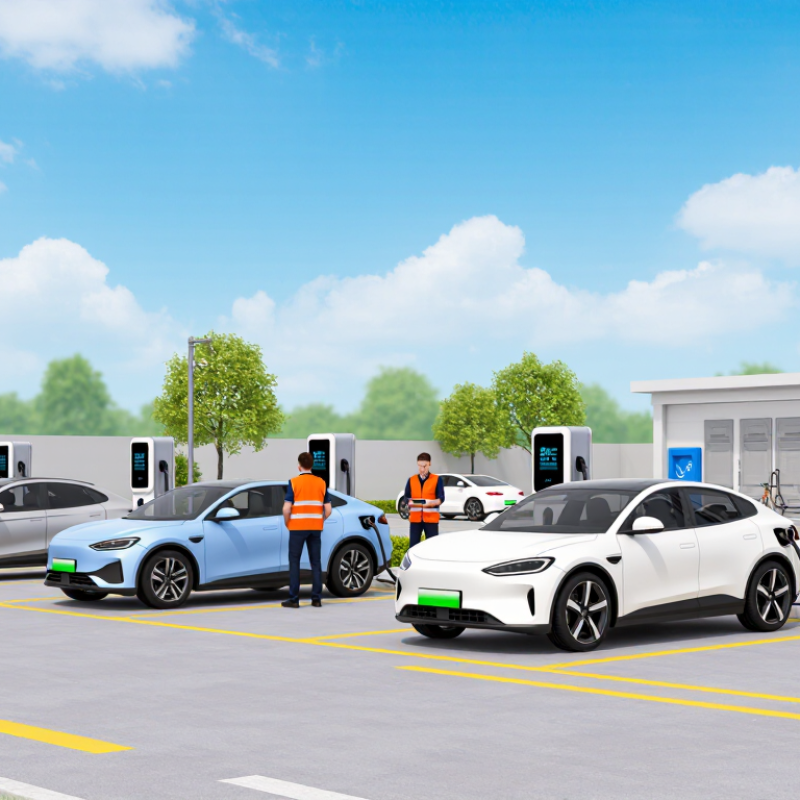
Managing multiple EV charging stations starts with treating each location as a separate operating environment. A downtown site may face evening queues, while a rural station may need overnight reliability. Review charger count, connector types, power limits, traffic patterns, and nearby electrical capacity. Small details matter. Walk the site during peak hours. Note blocked bays, poor lighting, cable damage, and confusing signs. Speak with drivers and maintenance staff. Their observations often reveal problems that dashboards miss. Record session starts, failed connections, charging duration, and energy delivered for each unit. Compare weekdays, weekends, and holidays. Do not rely on one busy afternoon.
Build an operational profile for every station. Include expected demand, staffing needs, cleaning frequency, inspection intervals, and emergency contacts. Set practical targets for uptime, response time, and queue length. These targets should reflect local conditions, not copied averages. A station serving taxis may need rapid fault response and strict bay turnover. An office location may require scheduled charging and clear access rules. Check load management before adding more chargers. A full electrical panel can create costly delays and safety risks. Use qualified technicians for electrical inspections and follow applicable codes. Keep maintenance records with timestamps, photographs, and corrective actions. Review them monthly. Be honest about weak data. Early assumptions may be wrong, and demand can shift after pricing or traffic changes. Adjust the operating plan when evidence supports it, even if the original plan looked better on paper.
Locations behave differently. Downtown sites may face evening queues, while rural sites need reliable overnight service. Record charger numbers, connector types, power limits, traffic patterns, and electrical capacity. Walk the site during busy periods. Small details matter.
Check blocked bays, poor lighting, damaged cables, confusing signs, and difficult vehicle access. Speak with drivers and maintenance staff. Their observations can reveal problems that dashboards miss. Take photographs when possible.
Record session starts, failed connections, charging duration, energy delivered, repair time, and queue length. Compare weekdays, weekends, and holidays. One busy afternoon can mislead you. Data may remain incomplete.
Include expected demand, staffing, cleaning frequency, inspection intervals, and emergency contacts. Set realistic uptime and response targets. A taxi-focused site may need rapid fault response. An office site may need scheduled charging and clear access rules.
Use one shared dashboard for connector status, failed sessions, energy delivery, utilization, and fault alerts. Review unresolved alerts every morning. Centralization helps, but it is not magic. Physical inspections must confirm digital warnings.
Poor sensors, duplicate station IDs, delayed updates, and incorrect fault codes can distort reports. A loose cable may appear as a software problem. Compare dashboard alerts with customer reports, transaction records, and site inspections.
Build a service calendar based on usage. Inspect busy chargers weekly. Check cables, plugs, emergency stops, payment interfaces, ventilation openings, and error logs. Clean dust from cooling areas before hot weather. Keep timestamped records.
Set response targets by fault severity. Isolate an overheated connector immediately. Address payment failures promptly. Keep tested spare cables, fuses, contactors, and communication modules near busy sites. Our first checklist was too broad. Close-up photos and charger-specific checks improved accountability.
Managing several EV charging stations efficiently requires a clear understanding of each location’s operational needs, including charger capacity, traffic patterns, peak demand, and available energy resources. A centralized monitoring system can bring station status, usage trends, revenue data, and performance alerts into one view, making it easier to identify issues and make informed decisions. Standardizing charging schedules, load-balancing methods, and energy-use policies can also reduce waste, control operating costs, and support reliable service across the entire network.
A practical approach to how to manage multiple charging stations efficiently also includes preventive maintenance and rapid repairs. Regular inspections, software updates, equipment testing, and organized service records help prevent unexpected downtime. At the same time, simple user access, secure payment processes, clear instructions, and strong station security can improve customer satisfaction and protect both users and equipment. Together, these practices create a more consistent, reliable, and scalable charging operation.

 VoltEdge Charging