Navigating the intricacies of electric vehicle ownership in China presents unique challenges, particularly when it comes to expenses. One pressing question emerges: how to reduce charging costs for electric vehicles? Rising electricity prices and increased demand pressure owners to seek smarter solutions.
For many drivers, charging at home is the most convenient option. However, utility rates vary significantly. Understanding local energy policies can yield savings. App users might discover optimal charging times that offer lower rates. Moreover, some cities have introduced incentives, including discounts during off-peak hours.
Public charging stations often offer different costs. Familiarizing oneself with various providers could reveal hidden savings. Drivers should check for membership programs that provide discounts. While these methods are effective, not every solution is perfect. Current infrastructure might not always support fast charging, leaving many to ponder alternative approaches. This presents an ongoing opportunity for innovation in reducing costs and improving accessibility.
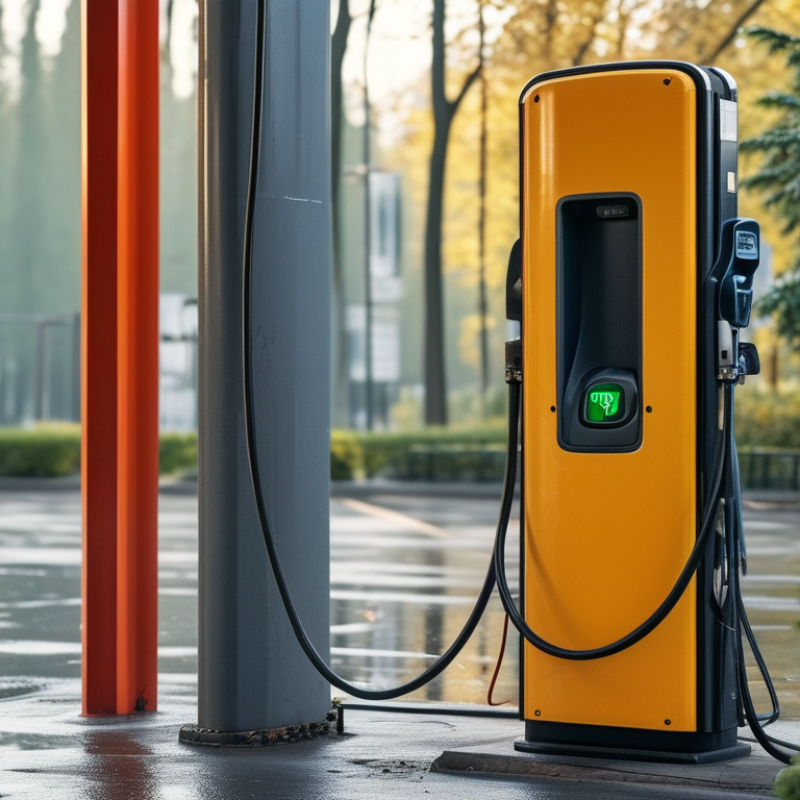
Reducing charging costs for electric vehicles (EVs) in China presents numerous benefits. Lower charges can encourage more people to adopt EVs. This can ultimately decrease carbon emissions and improve air quality. When charging costs drop, daily expenses for EV owners become more manageable. This encourages long-distance travel and enhances overall EV convenience.
Affordable charging options lead to increased usage of EVs. As more individuals transition to electric mobility, demand for renewable energy sources grows. This creates opportunities for innovation in the energy sector. Improved energy solutions can emerge from the need to support a larger EV community. Additionally, government incentives can catalyze these positive changes. They may offer rebates or funding for new charging infrastructures.
However, the path isn't straightforward. Consider the challenges of implementing lower charging costs. Infrastructure development can be slow, and effective pricing models must be studied and tested. Mismanagement may undermine support for EV adoption. Communities must work together to create sustainable solutions while facing these obstacles. Balancing cost reduction with quality and accessibility is crucial for long-term success.
This chart illustrates the projected reduction in average charging costs for electric vehicles in China from 2021 to 2025. A steady decline indicates the benefits of economic and technological advancements in the electric vehicle sector.
Understanding the current charging cost structure for electric vehicles in China is essential for reducing expenses. The pricing typically varies by location. Urban areas often have higher costs compared to rural zones. Factors include electricity tariffs, demand charges, and facility fees. These can contribute significantly to overall charging expenses.
Another element to consider is the type of charging station. Fast chargers tend to be pricier than standard ones. Users might assume that speed is always advantageous, but it can lead to higher costs. Some drivers might focus solely on convenience, overlooking potential savings. Awareness of local charging networks helps in making informed choices.
However, charging costs can fluctuate based on government policies. Incentives may reduce prices, but they often change without notice. It can be challenging for consumers to keep track of these variations. Regular monitoring of pricing trends is crucial. By developing a deeper understanding of the charging cost structure, drivers can better manage their expenses.
Improving charging infrastructure efficiency is crucial for reducing electric vehicle charging costs in China. Many charging stations lack real-time data on their usage. This leads to inefficiencies, as drivers may arrive at fully occupied stations. Integrating smart technologies can help optimize these resources. For instance, real-time updates on station availability can guide users to the nearest open station.
Another challenge is the uneven distribution of charging stations, especially in rural areas. This discrepancy creates anxiety for potential EV owners in remote areas. To address this, local governments could implement incentives for private entities to establish charging stations in underserved regions. Collaboration with community leaders can bolster awareness and promote the installation of new units.
Investing in energy sourcing is also vital. Utilizing renewable sources can drive down electricity costs. However, the transition to solar or wind energy is not straightforward. Initial setup costs can be high, and infrastructure for energy distribution may need upgrades. Stakeholders must explore partnerships and funding options. Continuous evaluation and adaptation are essential to ensure the progress of these strategies in the long run.
China has been actively promoting electric vehicles (EVs) through various government incentives. These policies aim to reduce the costs of charging, making EVs more accessible to the public. For instance, local governments often provide subsidies for installing home charging stations. This helps reduce the upfront costs for users. Additionally, some regions have implemented discounted rates for charging during off-peak hours.
Moreover, the government is working to expand the infrastructure for public charging stations. Increased availability leads to lower prices due to competition among charging operators. In some cases, cities have rolled out programs that allow free charging at specific locations for a limited time. This initiative encourages more drivers to switch to EVs. However, not all regions benefit equally from these programs, raising concerns about accessibility and fairness.
While these incentives are beneficial, they are not perfect. Some drivers may still find charging costs prohibitive, especially in less developed areas. Moreover, the inconsistency of policies across different provinces can lead to confusion. It's essential to keep refining these initiatives to ensure that charging costs remain low and accessible for all EV users in China.
In China, the demand for electric vehicles (EVs) is rapidly growing, but charging costs often concern potential buyers. Harnessing renewable energy sources can significantly reduce these expenses. Solar, wind, and hydroelectric power offer sustainable options for EV charging stations. By integrating these resources, the charging process becomes more affordable and environmentally friendly.
Solar energy, for example, can harness sunlight to generate electricity during the day. This reduces reliance on traditional grids, which can be expensive. Wind turbines, on the other hand, can generate power even during low-demand periods, further lowering costs. Cities can invest in hybrid charging stations that blend multiple renewable sources, maximizing efficiency and cost savings.
However, challenges remain. Not all regions in China are equally equipped for renewable energy development. Infrastructure issues can hinder the implementation of these technologies. Additionally, fluctuating weather patterns can impact energy availability. There’s a need for ongoing investment in research to better manage these variables. While the potential is clear, the path to fully realizing these benefits requires careful planning and reflection on current practices.
: Urban areas often have higher costs due to electricity tariffs, demand charges, and facility fees.
Fast chargers are pricier than standard ones. Convenience can lead to overlooking potential savings.
Awareness of local networks helps users make informed choices about where to charge.
Government incentives may lower prices, but these can change frequently and unpredictably.
Many stations lack real-time data, causing drivers to arrive and find them fully occupied.
Renewable sources like solar and wind can significantly reduce charging costs and environmental impact.
There's often an uneven distribution of stations, creating anxiety for potential EV owners.
It promotes awareness and encourages the establishment of charging stations in underserved regions.
Infrastructure issues and fluctuating weather patterns can hinder the effective use of renewable energy.
Continuous evaluation and adaptations are essential to ensure the improvement of charging infrastructure.
The article "How to Reduce Charging Costs for Electric Vehicles in China" explores various strategies and benefits associated with decreasing charging expenses for electric vehicle owners in the country. It underscores the current charging cost structure and highlights the potential for enhanced infrastructure efficiency to create a more cost-effective environment for electric vehicle use.
Additionally, the article discusses government incentives and policies aimed at lowering charging expenses, alongside the integration of renewable energy sources as a means to further drive down costs. By implementing these strategies, stakeholders can significantly contribute to how to reduce charging costs for electric vehicles, ultimately promoting wider adoption and sustainability within the electric vehicle market in China.

VoltEdge Charging