How to Install a Charging Station at Home or Business?

Time:2026-05-09 Author:Charlotte
0%

Are you considering how to install a charging station at home or business? This decision can significantly affect your convenience and sustainability. Electric vehicles are here to stay, and charging stations are essential for their operation.

Installing a charging station involves several important steps. First, you need to assess your power supply and space. Ensure your home or business can handle the electrical load. It’s also crucial to determine the type of charger you need. Different EVs require different charging speeds.

Many people overlook local regulations and permits, which are vital for compliance. This can lead to costly adjustments later on. It’s smart to consult with a licensed electrician for installation. Their expertise will increase safety and efficiency. Knowing how to install a charging station at home or business is not just about the basics; it’s also about planning for the future of transportation.
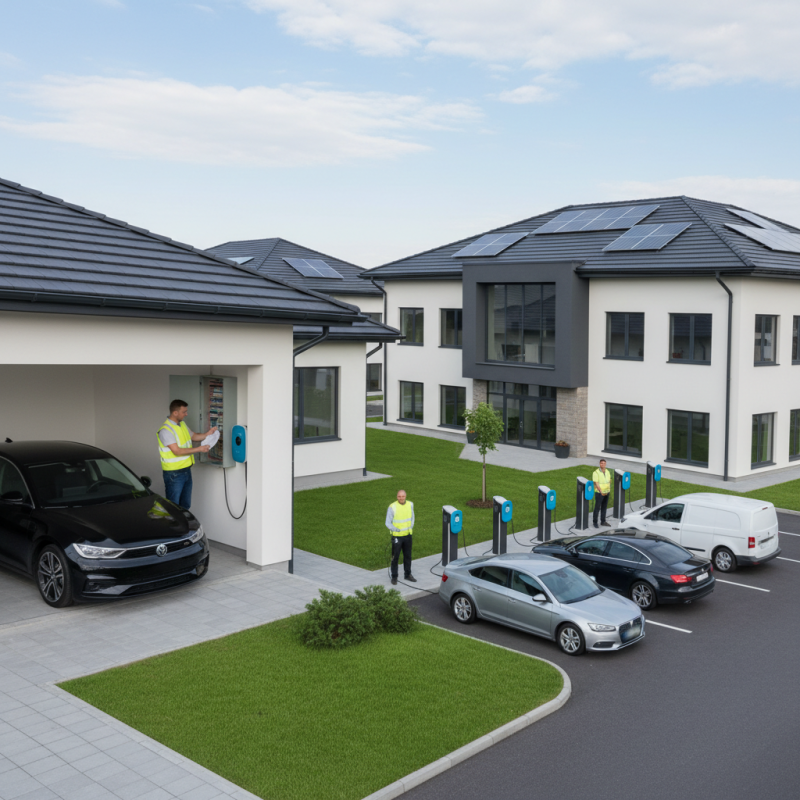
How to Install a Charging Station at Home or Business?

Choosing the Right Type of Charging Station for Your Needs

Choosing the right type of charging station is essential for both home and business users. The first consideration should be the vehicle type. Different electric vehicles (EVs) require different charging speeds and plug types. Level 1 chargers are slower, suited for overnight charging at home. Level 2 chargers are faster and ideal for commercial spaces where time is critical.

Next, consider the location and usage frequency. If charging occurs often, a higher-capacity station is recommended. However, for occasional use, a standard unit might suffice. Evaluating your electrical infrastructure is also vital. Outdated wiring can limit charging efficiency. Upgrading your electrical system may bring additional costs.

Don’t forget about the future. EV technology is rapidly evolving. Choosing a station with flexible features can save costs in the long run. It’s wise to research local incentives for installation. These can provide financial support and encourage greener energy use. Make sure to involve a qualified technician for installation to avoid errors.

Assessing Electrical Capacity and Location for Installation

When considering a charging station for your home or business, assessing electrical capacity and location is crucial. According to the U.S. Department of Energy, an average Level 2 charger requires a dedicated 240-volt outlet. Before installation, evaluate your current electrical service. You might have a standard 50-amp service, but higher capacity may be needed for multiple chargers or high-demand usage.

Safety must be a priority. Check if your electrical panel can support additional load. A professional electrician can conduct an assessment to confirm this. Additionally, consider the placement of the charger. It should be in a convenient location, away from weather extremes. You want to avoid unnecessary complications.

**Tip:** Conduct a load calculation to ensure your system can handle the charge.

**Tip:** Choose a location that minimizes extension cord usage.

Ensure the charger is easily accessible but does not block traffic or entryways. A poorly chosen spot can lead to frustrations and safety hazards. Personal experiences suggest that residents often overlook these details, leading to potential issues down the line. Plus, inadequate planning may require costly adjustments later.

Electrical Capacity Assessment for Charging Stations

Preparing the Installation Site: Tools and Requirements

When preparing to install a charging station at home or business, the site must meet specific requirements. A flat, stable surface is essential for the installation. Ensure that the location is free of obstructions, providing enough space around the charging station for safe access. Consider proximity to an electrical supply, ideally within 25 feet. This minimizes the need for extensive electrical work, making the installation smoother.

Tools needed include a drill, screwdrivers, and a level. Gather electrical tools like wire strippers and connectors. Safety gear, such as gloves and goggles, is also crucial to protect from potential hazards. You might find that local codes and regulations vary. Researching these can prevent delays. It’s wise to consult with professionals if uncertainty arises during preparation.

Some users overlook the importance of weatherproofing. If the charging station is outside, exposure to elements can affect functionality. Installing a weatherproof housing can mitigate this issue. Additionally, check for any existing wiring that may conflict with the new setup. Reflecting on these aspects can save time and ensure a more effective installation process.

How to Install a Charging Station at Home or Business? - Preparing the Installation Site: Tools and Requirements

Tool/Requirement Description Quantity Needed Notes
Charging Station An Electric Vehicle charging unit 1 Choose based on vehicle compatibility
Circuit Breaker Safety device to prevent overload 1 Must be appropriately rated
Electrical Wiring Wiring from the power source to the station Depends on installation Consult an electrician for length
Mounting Equipment Bolts, brackets, etc. for securing the station As required Included with charging station
Safety Equipment Gloves, goggles, etc. 1 set Use during installation
Permits Local permits for electrical work 1 Check local regulations

Step-by-Step Installation Process for Home or Business Charging Stations

Installing a charging station at home or for your business can seem daunting. However, breaking it into manageable steps simplifies the process. Begin by selecting an optimal location. Ideally, pick an area close to where your vehicle is parked. Analyze the space to ensure accessibility and safety.

Next, you'll need to assess your electrical capacity. A professional electrician can help determine if your existing system supports the new station. Not all homes or businesses have the necessary power output. Installing an upgraded electrical panel might be required. This part can be complex, so don't underestimate its importance.

Tip: Always engage local electrical codes when planning your installation. This will prevent potential legal issues later on.

Once the location and electrical needs are sorted, select a charging station suitable for your vehicle's requirements. Think about the charging speed and connector types. Clarity in these aspects is critical.

Tip: Don’t rush your decision. Evaluate options carefully and review installation warranties. Understanding the long-term implications can save you headaches later.

Finally, hire a qualified technician to complete the installation. This ensures adherence to safety standards and operational integrity. It’s an investment in convenience and sustainability for your home or business. Taking the right steps leads to a smooth installation experience.

Ensuring Safety and Compliance with Local Regulations and Permits

When installing a charging station at home or in a business, adhering to local regulations is crucial. Many regions require specific permits to ensure safety. Begin by checking your city’s codes. Local building departments often provide guidelines that clarify necessary approvals.

Tips: Always consult a licensed electrician. They can help you navigate compliance issues. Their expertise will ensure that your installation meets safety standards. It's beneficial to keep all documentation for future reference.

Compliance also involves understanding electrical capacity. Overloading circuits can lead to hazards. Assess your building's wiring and power supply. Some installations may require upgrades to support the new station. Engage with local professionals to ensure compliance.

Remember, safety should always come first. Look for potential hazards in your installation area. Ensure proper signage is in place, especially in commercial settings. This will enhance awareness and prevent accidents. Reflect on your setup to identify areas for improvement during the installation process.

FAQS

: Why is assessing electrical capacity important for a charging station?

: Assessing electrical capacity ensures your system can handle the load of a charger, preventing overloads.

What should I do before installing a charging station?

Check your current electrical service. Consider hiring a professional electrician for an assessment.

How can I choose the best location for the charger?

Pick a spot close to where your vehicle is parked, avoiding areas with extreme weather conditions.

What are potential risks of poor installation planning?

Poor planning can lead to safety hazards and may require costly adjustments later on.

How can I ensure compliance with local regulations?

Check your city's codes and obtain necessary permits. Consulting a licensed electrician helps navigate these rules.

What should I consider when choosing a charging station?

Evaluate the charging speed and connector types, ensuring they meet your vehicle's requirements.

Is it necessary to upgrade my electrical panel?

It might be necessary if your current system can’t support the additional load of the new station.

What precautions should be taken for safety?

Ensure proper signage and look for potential hazards in the installation area.

How can I avoid unnecessary complications in installation?

Conduct a load calculation and minimize extension cord usage to prevent future issues.

Why is it important to keep documentation of the installation?

Retaining documentation helps if you face compliance questions in the future.

Conclusion

Installing a charging station at home or business involves several critical steps to ensure efficiency and compliance. First, it's important to choose the right type of charging station based on your specific needs, whether for personal or commercial use. Assessing the electrical capacity and the ideal location for installation are crucial steps that precede the installation process.

Once you've evaluated these factors, preparing the installation site with the necessary tools and requirements is essential for a smooth setup. The step-by-step installation process follows, ensuring all components are correctly assembled and safe to use. Lastly, adhering to local regulations and obtaining any required permits will guarantee that your charging station installation meets safety standards, enabling you to confidently know how to install a charging station at home or business.

Charlotte

Charlotte

Charlotte is a seasoned marketing professional with a deep understanding of the company's portfolio and a passion for elevating its presence in the market. With a keen eye for detail and a commitment to excellence, she ensures that our professional blog is regularly updated with insightful articles......