Why You Should Install a Charging Station at Home or Business?

Time:2026-08-27 Author:Oliver
0%

The demand for electric vehicles (EVs) is soaring, with a recent report showing that EV sales rose by 70% in the past year alone. As more drivers embrace this shift, the need for accessible charging options grows. Installing a charging station at home or business not only promotes sustainability but also enhances convenience for users. The International Energy Agency projects that by 2030, electric vehicles will represent 30% of global car sales.

Homeowners and businesses can benefit greatly from understanding how to install a charging station at home or business. A dedicated charging solution can eliminate range anxiety, a common concern for EV drivers. However, some may overlook the necessary steps for a smooth installation process. Factors like local regulations and the electrical capacity of the location are critical.

Moreover, providing charging stations can improve customer experience for businesses. In fact, studies show that establishments offering charging stations attract more customers. However, failing to plan adequately during installation can lead to inefficiencies and unexpected costs. Adopting best practices in installation is essential for maximizing benefits and ensuring reliability.
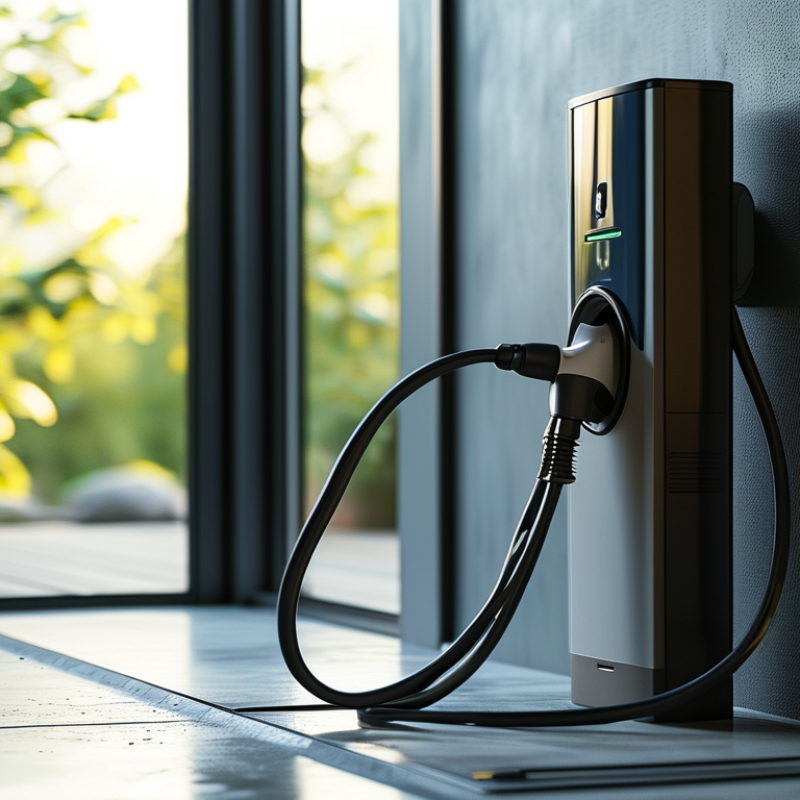
Why You Should Install a Charging Station at Home or Business?

The Growing Demand for Electric Vehicles and Charging Infrastructure

The surge in electric vehicle (EV) adoption has transformed the automotive landscape. More people are recognizing the advantages of EVs, such as lower maintenance costs and environmental benefits. As a result, the demand for charging infrastructure is on the rise. Installing a charging station at home or your business is not just a trend; it’s a necessity.

Consider this: having a charging station readily available at your premises encourages both employees and customers to go electric. Offering this convenience could set your business apart from competitors. A home charging station provides flexibility and saves on fuel costs. Imagine the ease of charging overnight, starting each day with a full battery.

When installing a charging station, keeping key factors in mind is beneficial. Identify the power requirements for your specific EV model. Ensure the location is convenient for users. It's also wise to consider potential updates, as technology evolves swiftly. Reflect on the current infrastructure in your area to avoid any unexpected challenges. By addressing these practical elements, you can enhance the value of your charging solution.

Understanding the Cost Savings of Home vs. Public Charging Stations

Installing a charging station at home or business can lead to significant cost savings. Public charging stations often charge higher rates, sometimes exceeding 60 cents per kilowatt-hour (kWh). In contrast, charging at home typically costs about 13 to 20 cents per kWh. According to a recent study by the U.S. Department of Energy, homeowners can save hundreds of dollars annually by charging their electric vehicles (EVs) at home.

Moreover, the convenience of home charging cannot be overlooked. A 2022 report from the International Energy Agency revealed that 80% of EV charging occurs at home. This means homeowners can take advantage of off-peak electricity rates, which can lower costs further. Relying on public infrastructure can be unreliable and time-consuming, often leading to range anxiety. Utilizing a dedicated home charging station can reduce this stress and promote consistent energy savings.

While the initial cost of installing a home charging station can range from $500 to $2,000, the long-term benefits are evident. Homeowners may also qualify for tax credits or rebates that can offset some upfront expenses. Reflecting on these financial aspects, the rationale for investing in a home charging station becomes clearer. The benefits extend beyond savings, promoting sustainability and providing peace of mind.

Cost Savings of Home Charging vs. Public Charging Stations

The chart below illustrates the cost comparison of charging an electric vehicle at home versus using public charging stations. The data reflects average costs per kilowatt-hour (kWh) and estimated monthly savings. Home charging generally incurs lower costs over time compared to frequent public charging, making it an attractive option for electric vehicle owners.

Evaluating the Convenience Factor of Installing a Charging Station

Installing a charging station at home or business brings undeniable convenience. A report by the International Energy Agency indicates a rapid increase in electric vehicle (EV) adoption, predicting that there could be nearly 300 million EVs on the road by 2040. With so many cars expected, having a charging station on-site becomes a practical necessity.

Consider this: charging a vehicle at home can reduce costs. According to a study by the U.S. Department of Energy, home charging can be three to six times less expensive than using public charging networks. Additionally, having immediate access to a charging station removes the stress of searching for available public chargers. Yet, local infrastructure may still lag behind. In certain areas, the availability of public stations is limited. This can lead to challenges when trying to charge away from home.

When planning to install a charging station, check local regulations. Not all areas allow installations without permits. Additionally, evaluate your electrical system to ensure it can handle the added load. It’s essential to consult with a professional to determine the best option for your specific needs. Having strategic placement of the station improves accessibility, enhancing user convenience.

Impact of Charging Stations on Property Value and Business Appeal

The installation of charging stations can significantly influence property value and business appeal. According to a report by the International Energy Agency, over 30% of consumers are more likely to rent or buy a property equipped with electric vehicle charging facilities. This trend reflects the growing demand for sustainable transportation options.

Having charging stations at home or in commercial properties enhances attractiveness. A study by EVBox found that businesses with EV charging stations notice a 15% increase in foot traffic. More customers are likely to explore establishments offering these conveniences. This sense of modernity and care for sustainability resonates well with tech-savvy individuals.

However, it's essential to consider installation costs and available space. Not every property is suited for EV chargers without significant modifications. Landlords and property owners might struggle with the initial investment. Balancing long-term benefits with upfront costs requires careful planning. Ultimately, while charging stations add value, their implementation should be tailored to each specific context.

Incentives and Rebates for Installing EV Charging Stations at Home or Business

Installing an EV charging station at home or business offers more than just convenience. Government incentives can significantly reduce installation costs. For example, the U.S. federal tax credit currently allows for up to 30% off the total system cost, capping at $1,000 for residential and $30,000 for commercial installations. This makes the transition much more financially feasible.

Many states provide additional rebates. Programs in California, for instance, can offer up to $2,000 based on your electricity provider. This varies widely, though. States like New York and Texas have similar programs, but details may change. Understanding local regulations is crucial for maximizing these benefits.

Despite these incentives, some may question the long-term viability of EV charging. With technology rapidly evolving, there could be concerns about future-proofing your investment. Not every location will see the same return on investment. As the market matures, careful consideration of site selection and usage patterns is essential. Evaluate whether the flow of traffic and demand aligns with your goals. Making informed decisions can lead to better financial outcomes in this emerging field.

FAQS

: What is the main convenience of installing a charging station?

: Having a charging station at home or business provides immediate access to charging, reducing stress from searching for public stations.

How much can home charging reduce costs compared to public charging?

Home charging can be three to six times less expensive than using public networks, offering significant savings.

What should I check before installing a charging station?

Check local regulations for permits and assess your electrical system's capacity for the added load.

Does installing a charging station increase property value?

Yes, over 30% of consumers prefer properties with charging facilities, enhancing their attractiveness in the market.

How do charging stations affect foot traffic for businesses?

Businesses with EV charging stations can see a 15% increase in foot traffic, drawing more customers to their locations.

What incentives are available for installing charging stations?

Many programs, like federal tax credits, can cover 30% of installation costs, making it financially feasible.

Are all properties suitable for charging station installation?

No, not every property has the available space or infrastructure to support charging stations without modifications.

How do local regulations impact installation?

Regulations can vary greatly, and understanding them is crucial for maximizing incentives and ensuring compliance.

What should I consider for long-term viability of charging stations?

Consider future technology, site selection, and traffic patterns to ensure your investment remains beneficial as the market evolves.

Is there a risk in relying on public charging infrastructure?

Yes, in some areas, public charging stations are limited, which can pose challenges for charging away from home.

Conclusion

As electric vehicles (EVs) continue to gain popularity, the demand for efficient charging infrastructure is on the rise. Installing a charging station at home or business not only provides significant convenience for EV owners but also leads to considerable cost savings compared to relying solely on public charging stations. This article explores the advantages of having a dedicated charging point, including how to install a charging station at home or business, evaluating the convenience it brings, and its positive impact on property values and business attractiveness. Additionally, various incentives and rebates are available to encourage the adoption of EV charging stations, making it a financially sound investment for both residential and commercial properties.

Oliver

Oliver

Oliver is a seasoned marketing professional with a wealth of expertise in driving brand awareness and engagement. With a deep understanding of our company's product offerings, he consistently delivers high-quality content that enriches our professional blog. His insights not only shed light on......