The rise of electric vehicles has intensified the need for robust charging infrastructure solutions. Various sectors are navigating this shift. Understanding what industries need charging infrastructure solutions is vital for effectively addressing future demands.
Transportation companies, such as logistics and ride-sharing services, require extensive charging networks. They aim to transition their fleets to electric. Retail and hospitality industries are also adapting, as they seek to attract eco-conscious consumers. They recognize the need for convenient charging options.
Beyond traditional industries, emerging sectors are entering the charging landscape. The renewable energy sector sees potential in integrated charging stations. However, challenges remain. Current infrastructure may not meet future growth demands. The evolving landscape requires collaboration among stakeholders to ensure effective implementation.
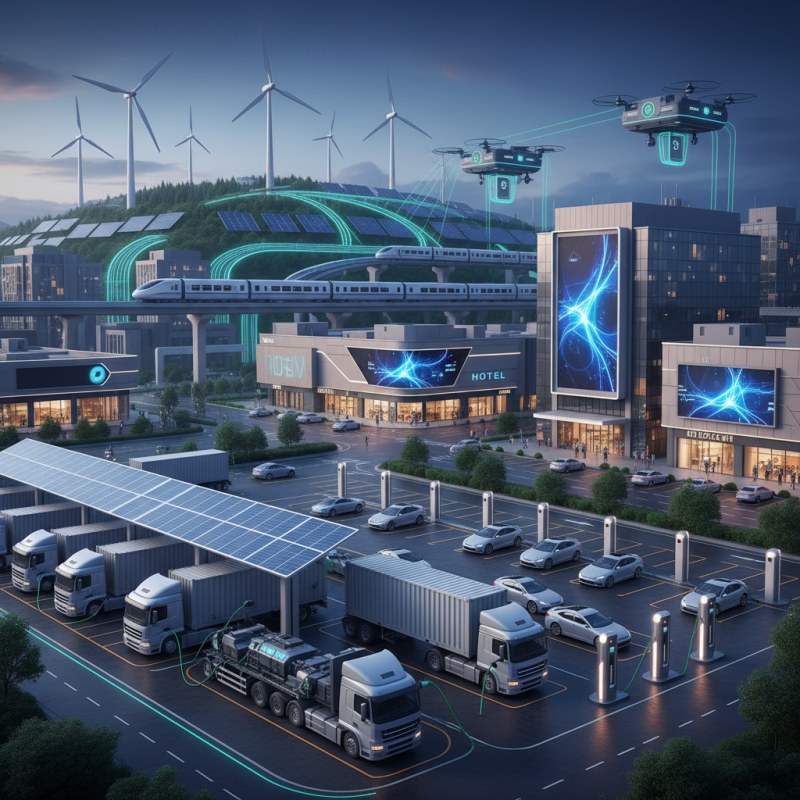
The demand for electric vehicle (EV) charging solutions is rapidly increasing across various industries. One prominent sector is retail. With more shoppers driving electric vehicles, retailers see the need to provide charging stations. These stations can enhance the shopping experience. They encourage customers to spend more time at the store. However, many retailers still struggle to implement effective charging infrastructure. This gap represents both a challenge and an opportunity.
Another industry experiencing this growth is hospitality. Hotels and resorts are recognizing the advantage of EV charging stations. They attract eco-conscious travelers who prefer green technology. Providing charging facilities can lead to longer stays and higher satisfaction. Still, not all establishments have the resources or knowledge to set up these systems properly. This inconsistency can hinder customer trust and experience.
The transportation sector is also evolving. Delivery services and logistics companies are moving towards electric fleets. They need reliable charging solutions to maintain efficiency. However, many still face obstacles related to infrastructure. Some locations lack adequate charging stations, which can lead to delays and operational inefficiencies. Addressing these inconsistencies can improve performance and customer satisfaction significantly.
Public transportation is a crucial component in addressing the growing demand for charging infrastructure solutions. As electric vehicles (EVs) become more prevalent, the integration of charging stations with public transit systems is essential. Buses and light rail systems can directly benefit from accessible charging points. This transformation not only supports EV adoption but also reduces urban air pollution. However, the current infrastructure often lags behind demand.
Cities must consider strategic locations for charging stations that service public transportation. High-traffic areas like bus stops and transit hubs are ideal. Yet, the implementation process can be challenging. Limited funding, space constraints, and bureaucratic hurdles can slow progress. Stakeholders must collaborate on innovative approaches to overcome these obstacles.
Moreover, public transportation agencies can play an educational role. They can raise awareness about the importance of EVs and charging infrastructure. This outreach can foster public interest and encourage more riders to consider sustainable options. The shift toward electrification of public transit requires ongoing reflection and adaptation to meet evolving needs. Prioritizing a resilient and user-friendly charging network benefits everyone.
The retail sector is increasingly integrating charging stations into their business models. This shift addresses the growing number of electric vehicle owners. By providing charging solutions, retailers enhance customer convenience. It becomes a strategic advantage in attracting eco-conscious shoppers. With a simple charging station, stores can keep customers engaged longer. Longer visits mean more funds spent on products.
However, implementing these infrastructure solutions is not without its challenges. Retailers must consider installation costs and ongoing maintenance. They also face space limitations, especially in urban areas where every square foot counts. Educating customers on how to use these charging stations remains essential. Misunderstandings can lead to frustration and deter repeat visits.
Engagement doesn't end with installation. Retailers must adapt their approach based on customer feedback. In some cases, the installation of charging stations has gone smoothly. In others, it has created confusion or disappointment among shoppers. Regular assessments and adjustments are vital to meet evolving needs. Balancing convenience and cost-effectiveness requires careful planning and execution.
| Industry | Demand for Charging Stations (%) | Estimated Number of Charging Stations Needed | Customer Benefits |
|---|---|---|---|
| Retail | 65% | 15,000 | Enhanced customer experience, increased foot traffic |
| Hospitality | 50% | 10,000 | Attracting EV users, extended stay duration |
| Grocery | 40% | 8,000 | Convenience for shoppers, multitasking opportunities |
| Shopping Malls | 75% | 20,000 | Increased shopping duration, greater customer satisfaction |
| Entertainment Venues | 55% | 5,000 | Increased customer dwell time, enhanced experience |
Fleet management operations are reshaping the demand for charging infrastructure. As companies transition to electric vehicles (EVs), their charging needs become crucial. According to a report by the International Energy Agency, the number of EVs on the road could reach 145 million by 2030. This surge highlights the pressing requirement for reliable and efficient charging networks.
The logistics and transportation sectors face unique challenges in charging infrastructure. Fleets often operate on tight schedules, making quick charging solutions essential. A study from McKinsey noted that 70% of fleet managers aim to optimize charging times to improve operational efficiency. However, gaps in charging station availability can disrupt these plans, indicating a need for strategic investment.
Moreover, integrating charging infrastructure within fleet management systems can enhance operational insight. Real-time data on charging status and location assists managers in making informed decisions. A report from Deloitte highlighted that companies with robust fleet management systems experience a 15% reduction in downtime. Yet, many still lack the infrastructure to fully support EV integration. Addressing these issues is vital for the future of fleet operations amidst rising electrification trends.
The rise of renewable energy significantly impacts various sectors, particularly in charging infrastructure solutions. In 2022, the global electric vehicle (EV) market grew by 60%, driven largely by a shift towards cleaner energy sources. This trend prompts industries to examine their energy consumption and charging needs rigorously. The transportation industry, for instance, is actively developing charging networks. Companies notice that a well-planned infrastructure can enhance efficiency and reduce operational costs.
Several reports highlight that the retail sector is increasingly integrating charging stations into their facilities. A recent study indicated that around 20% of major retailers plan to offer EV charging by 2025. This not only attracts eco-conscious consumers but also utilizes renewable energy sources like solar panels. However, it raises questions about cost management and energy reliability. How can businesses ensure that energy sourcing remains sustainable?
Further, the logistics industry faces challenges in balancing rapid electrification with existing operational frameworks. Many firms attempt to implement charging solutions but struggle with adequate infrastructure in key regions. A study showed that 40% of logistics companies reported difficulty in sourcing renewable energy for their fleets. It reveals a gap between the demand for eco-friendly solutions and the current availability of reliable charging infrastructure. These issues underscore the importance of strategic planning and investment in sustainable practices.
: Retailers install EV charging stations to attract eco-conscious shoppers and enhance customer convenience.
Charging stations allow customers to charge their vehicles, encouraging longer store visits and potential increased spending.
Retailers deal with high installation costs, maintenance requirements, and space limitations in urban areas.
Customer education is crucial; misunderstandings about usage can lead to frustration and decreased customer satisfaction.
Not all hotels have the resources to implement charging stations effectively, affecting customer trust and satisfaction.
Logistics companies are adopting electric fleets but face obstacles with inadequate charging infrastructure that can disrupt operations.
Regular assessments based on customer feedback help retailers adjust their services to meet changing needs.
Confusion or poor installation can result in a negative experience for customers expecting convenience.
Successful installation can lead to longer visits and increased spending, though this requires careful planning.
They need to plan carefully to manage costs while ensuring convenience for customers.
The increasing adoption of electric vehicles (EVs) has led to a growing demand for charging infrastructure solutions across various sectors. Key industries that need charging infrastructure solutions include public transportation, which requires strategic placement of charging stations to support electric buses and trams. Additionally, the retail sector is increasingly implementing charging stations to enhance customer convenience and attract eco-conscious shoppers.
Fleet management operations also play a significant role, as businesses transition to electric fleets, necessitating robust charging infrastructure to ensure operational efficiency. Furthermore, the influence of renewable energy sources is shaping the development of charging solutions, promoting sustainability within these industries. Overall, understanding what industries need charging infrastructure solutions is essential for fostering a comprehensive and efficient EV ecosystem.

VoltEdge Charging