In the rapidly evolving landscape of electric vehicles, enhancing charging efficiency is paramount. As more drivers transition to electric, the demand for quicker and more reliable charging solutions grows. This creates a pressing need to address how to improve charging efficiency for electric vehicles. Various strategies, such as optimizing battery technology and investing in advanced charging infrastructure, hold promise.
Moreover, consumer habits play a crucial role. Many electric vehicle users are still unsure about the best practices for charging their cars. This gap in knowledge can lead to wasted time and energy. Addressing these uncertainties will not only boost charging efficiency but also enhance user satisfaction.
However, challenges remain. Not all regions have access to high-speed chargers, and fluctuating energy prices can complicate charging decisions. These issues require ongoing research and collaboration among manufacturers, governments, and consumers. The path to improvement is complex, yet the potential rewards justify the effort. Exploring innovative solutions will ultimately drive the electric vehicle market forward.
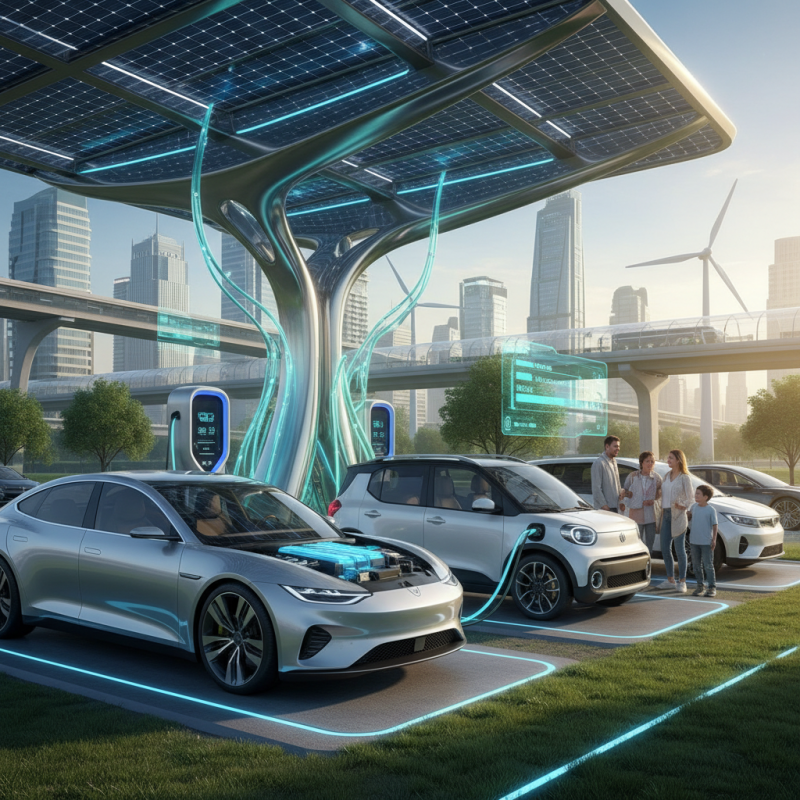
The efficiency of electric vehicle (EV) charging faces several significant challenges today. One major issue is the disparity in charging infrastructure. Urban areas often have more charging stations than rural ones, causing inconvenience for those living outside cities. This uneven distribution can lead to longer charging wait times and range anxiety among drivers.
Another challenge is related to charging speeds. While some fast chargers can provide a significant charge in a short time, many standard chargers are slow. Some users encounter delays, especially when using older charging networks. Additionally, battery degradation remains a concern. Frequent use of fast chargers can shorten a battery's lifespan, leading to potential long-term issues for EV owners.
Moreover, the integration of renewable energy sources into charging networks is still limited. The reliance on fossil fuels for electricity generation can undermine the environmental benefits of electric vehicles. It creates a disconnection between the commitment to green technology and the sources of energy used for charging. Improvement in technology and policy is necessary for a more efficient and sustainable EV charging future.
As electric vehicles (EVs) gain traction, enhancing charging speed becomes crucial. Innovative technologies are emerging to meet this demand. Wireless charging is one such method. This technology eliminates physical connectors. EVs can charge simultaneously while parked, increasing convenience. However, the efficiency of wireless charging can vary. Further development is needed to boost its effectiveness.
Another promising approach is ultra-fast charging stations. These can deliver significant power in a short time. With advancements in battery technology, charging times are expected to decrease further. While these stations are a leap forward, their availability remains limited. Urban planning must adapt to support more infrastructure for these stations.
Tips for improving charging efficiency include maintaining optimal battery temperature. Batteries charge faster when kept cool. Another tip is to charge during off-peak hours. This not only saves energy but also helps stabilize grid demand. Charging at night can be more efficient. Keeping software updated also ensures optimal battery performance.
Improvements in charging infrastructure are essential to enhance electric vehicle (EV) efficiency. According to a recent report by the International Energy Agency, a comprehensive approach is needed. It states that charging time can be reduced significantly if we expand fast-charging networks. Currently, only around 1% of global chargers are ultra-fast. This highlights a gap in accessible, efficient charging stations, impacting EV adoption.
Cities should implement smart charging systems. These systems optimize when and how much energy is drawn from the grid, depending on demand. For instance, during off-peak hours, the cost of electricity drops, and charging becomes cheaper. A study showed using smart grids can reduce energy costs by 30%.
Tips: Invest in local knowledge. Collaborate with community leaders to identify the best charging locations. Evaluate existing infrastructure for enhancement opportunities. Use data analytics to track usage patterns. Make informed decisions about where to place new chargers. This direct approach can enhance reliability and user satisfaction.
User behavior plays a crucial role in the charging efficiency of electric vehicles (EVs). Many EV owners do not fully understand how their charging habits can affect overall efficiency. For instance, charging during peak hours can lead to slower charging speeds and increased costs. Understanding this can empower users to make smarter choices about when to charge.
Moreover, the location of charging stations significantly impacts user experience. If charging points are too far away or inconveniently placed, users may delay charging or seek alternative options. This behavior not only affects their own charging efficiency but can have a ripple effect on overall infrastructure usage. More should be done to educate users about accessible charging stations.
Finally, there's an element of personal responsibility in optimizing charging habits. For example, many drivers charge to full capacity without considering battery health. While it seems beneficial, frequent full charges can reduce battery lifespan. Users need to reflect on such habits if they want to enhance their charging efficiency and, ultimately, extend the life of their vehicle's battery. Encouraging users to share experiences and learn from each other can foster a community of better practices.
| User Behavior Factor | Impact on Charging Efficiency (%) | Typical Charging Time (hrs) | Recommended Charging Strategy |
|---|---|---|---|
| Time of Day | 15% | 4 | Charge during off-peak hours |
| Charging Frequency | 20% | 2 | Frequent top-ups instead of full charges |
| Battery Maintenance | 25% | 3 | Regular checks and software updates |
| Temperature Control | 30% | 5 | Charge in moderate temperatures |
| Battery Size | 10% | 6 | Use suitable battery size for needs |
As electric vehicles (EVs) continue to rise in popularity, the demand for efficient charging solutions becomes critical. Innovations in charging technology are set to enhance user experiences and overall efficiency. One trend includes the development of ultra-fast chargers that can significantly reduce wait times at charging stations. Some prototypes claim to charge an EV in under 10 minutes. However, infrastructure must catch up to ensure widespread adoption.
Another area of focus is wireless charging technology. This approach eliminates the hassle of plugging in by allowing vehicles to charge simply by parking over a charging pad. Some pilot programs have demonstrated success, but scalability remains a challenge. Costs are high, and the energy transfer efficiency can vary. Sustainable materials and methodologies are essential for future success in this area.
Moreover, integrating renewable energy sources with charging stations is a growing trend. Solar panels and wind turbines could power charging stations, minimizing reliance on the grid. While this is promising, it requires careful planning. Many regions face regulatory hurdles that complicate installation. As the EV market evolves, addressing these challenges is crucial for improving charging efficiency.
: Charge during off-peak hours. This can save energy and help stabilize grid demand.
Wireless charging eliminates physical connectors, allowing EVs to charge while parked. Efficiency can vary.
It delivers significant power in a short time. This technology will reduce charging times further.
Urban planning needs to support more fast-charging infrastructure to meet growing demand.
Charging during peak hours can slow speeds. Inconvenient charging locations can lead to delays.
Keeping batteries cool enhances charging speed. Optimal temperature is crucial for efficient charging.
These systems optimize energy use from the grid based on demand, reducing costs and enhancing efficiency.
Frequently charging to full capacity can reduce battery lifespan. Reflecting on this behavior is essential.
Educating users about charging habits can improve efficiency and overall infrastructure usage.
Analyzing usage patterns helps determine the best locations for new chargers, enhancing reliability and satisfaction.
The article titled "2026 How to Improve Charging Efficiency for Electric Vehicles?" explores the various challenges currently facing the electric vehicle (EV) charging ecosystem. It delves into innovative technologies that can significantly enhance charging speed, such as advancements in battery chemistry and supercharging infrastructure. Moreover, the piece outlines effective strategies for optimizing charging infrastructure, emphasizing the importance of accessibility and energy management.
User behavior also plays a crucial role in determining charging efficiency, as patterns of use can impact demand and resource allocation. Lastly, the article looks ahead to future trends in EV charging solutions, suggesting that a combination of technology and user education will be vital in addressing these challenges. Overall, understanding how to improve charging efficiency for electric vehicles is essential for fostering widespread adoption and sustainability in the EV market.

VoltEdge Charging