Managing multiple charging stations is increasingly important in today's electric vehicle landscape. With the rise in EV adoption, efficient management becomes a challenge. Understanding how to manage multiple charging stations efficiently is vital for businesses and municipalities alike.
Consider the complexities involved. Each charging station may have different power outputs, usage patterns, and user preferences. Real-time monitoring and data analysis can help streamline operations. However, many still struggle with balancing availability and reliability.
Effective management requires a tailored approach. Strategies must incorporate user habits and peak hours. Addressing these elements can improve user experience and optimize station performance. Continuous evaluation of charging infrastructures will reveal strengths and weaknesses. The road to efficiency may not be perfect, but it opens doors for improvement.
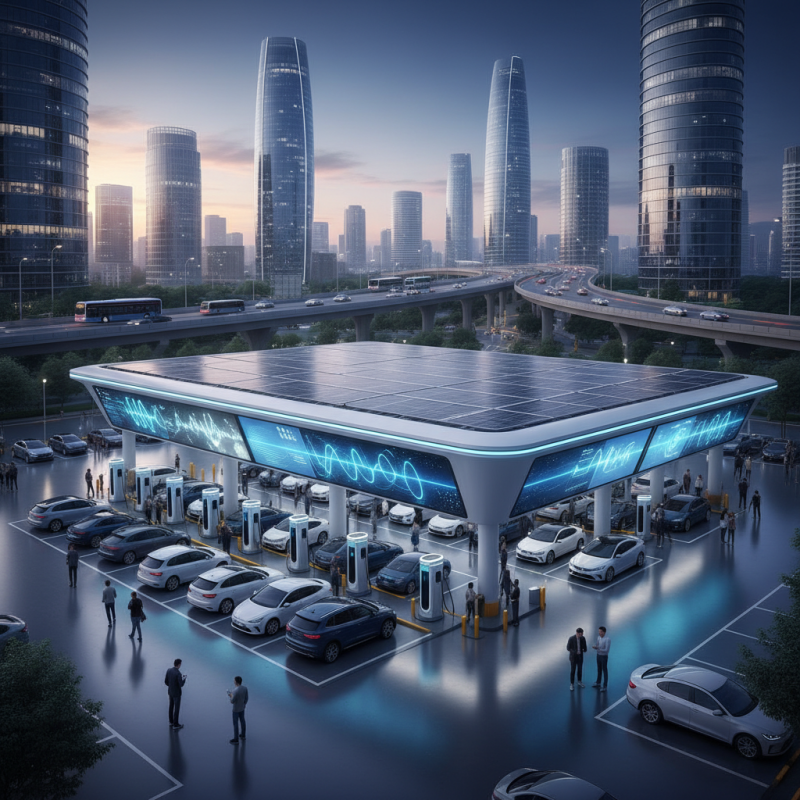
When assessing the need for multiple charging stations, data indicates a growing demand. According to a recent report from the International Energy Agency, global electric vehicle (EV) sales surged by 43% in 2020. This significant rise highlights the necessity for accessible charging solutions. The report suggests that, by 2030, around 230 million EVs could be on the roads, intensifying the need for an efficient charging infrastructure.
Understanding the location and demographics of EV users is crucial. Studies show that urban areas may require more charging stations due to higher concentrations of EV owners. In contrast, suburban and rural regions might have different needs. Analyzing traffic patterns and existing charging habits can reveal where stations are most effective. Data suggests that 60% of EV owners prefer charging at home. However, public charging stations remain vital for long trips. Balancing these factors helps optimize placement strategies.
Infrastructure investment is an ongoing challenge. Determining how many stations are necessary often involves complicated calculations. Some communities are still hesitant to invest, fearing low usage rates. Yet, the growth of the EV market suggests that anticipating needs is better than reacting after patterns have changed. Assessing usage data from existing stations can help address this apprehension. Planning for the future of transportation requires proactive strategies based on solid evidence.
| Location | Existing Stations | User Demand (per month) | Ideal Stations | Utilization Rate (%) |
|---|---|---|---|---|
| Downtown Area | 5 | 1500 | 10 | 75 |
| Suburban Area | 3 | 800 | 6 | 67 |
| Airport Parking | 8 | 2000 | 15 | 80 |
| Shopping Mall | 4 | 1200 | 8 | 70 |
| Office Complex | 2 | 500 | 4 | 60 |
: The rise in electric vehicle sales highlights the demand for accessible charging solutions.
Urban areas may require more stations due to higher EV ownership. Suburban and rural areas have different needs.
About 60% of EV owners prefer charging at home, but public stations are crucial for long trips.
Communities may hesitate to invest due to fears of low usage rates.
Smart systems can monitor real-time charging patterns and adjust power distribution, enhancing efficiency.
Challenges include interoperability between systems and the complexity of initial setups.
Regular inspections and cleaning can prevent issues and extend the lifespan of equipment.
User insights help identify problem areas and improve overall service for each charging station.
Keeping detailed documentation of maintenance activities can help predict future issues.
No, each station has unique requirements, and tailored strategies ensure better user satisfaction.
Efficiently managing multiple charging stations requires a comprehensive approach that encompasses several key strategies. First, assessing the need for various charging stations involves understanding the demand and usage patterns in the area. Following this, designing an optimized layout ensures that each station is conveniently located and easy to access. The integration of smart technology can enhance the management of these stations, allowing for real-time monitoring and data analysis.
Additionally, establishing clear usage policies and guidelines is vital to ensure users understand how to utilize the stations responsibly and efficiently. Finally, regular monitoring and maintenance of the charging stations help prolong their lifespan and maintain optimal functionality. By implementing these strategies, one can effectively address the question of how to manage multiple charging stations efficiently, ensuring a seamless experience for all users.

 VoltEdge Charging