What is the Difference Between Fast and Slow Charging?

Time:2026-04-09 Author:Mason
0%

Charging technology has evolved significantly in recent years. Today, many people use different charging methods. As a result, the question arises: what is the difference between fast and slow charging? This question is crucial for understanding how to best charge your devices.

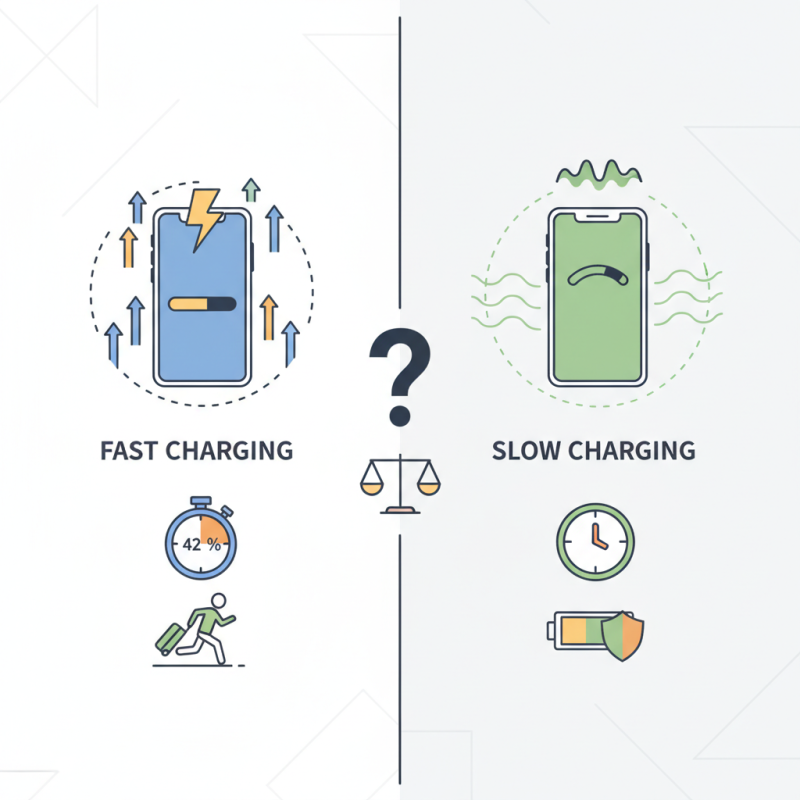
Fast charging allows devices to recharge quickly. It uses higher voltage and current levels. This method is convenient for those on the go. Users can get a battery boost in a short time. On the other hand, slow charging is more gradual. It typically uses standard voltages. While it takes longer, it can be gentler on the battery's health.

Both fast and slow charging have their advantages. Fast charging is ideal for emergencies. However, slow charging can extend battery lifespan. It's essential to weigh these factors carefully. Choosing the right method depends on your needs and device specifications. Understanding the nuances can lead to better battery management.
What is the Difference Between Fast and Slow Charging?

Understanding Fast Charging Technology

Fast charging technology has transformed how we power our devices. This method delivers higher power levels to batteries, cutting downtime. By utilizing specialized chargers and technology, devices can achieve significant charging speeds. Common techniques include Adaptive Fast Charging and Quick Charge protocols. These allow smartphones to gain hours of usage in just a few minutes.

However, fast charging isn’t without its drawbacks. While expedient, it can generate heat, which may affect battery longevity. Prolonged exposure to high temperatures can degrade battery life. Users often overlook this aspect in their quest for speed. Balancing fast charging with regular charging can be more beneficial for device health. Slower charging methods, though lengthier, reduce thermal strain on batteries.

Understanding the technology behind fast charging is crucial. It involves modifying voltage and current to enhance the charging rate. Users should be aware of compatibility issues. Not all devices support all fast charging methods. This disparity can lead to confusion. Therefore, always check compatibility before utilizing fast charging technology.

How Slow Charging Works and Its Benefits

Slow charging is an efficient method widely used for various devices. It operates on lower voltage and current levels. This allows batteries to receive power gradually, reducing stress. As a result, the battery's lifespan can improve. Slow charging can significantly benefit everyday users.

One key benefit of slow charging is heat management. Fast charging often generates excess heat, which can harm batteries. In contrast, slow charging minimizes such risks. Users may notice longer-lasting charges, fewer cycles, and less frequent replacements. It’s vital to understand the importance of heat in battery health.

Despite its benefits, slow charging may not suit everyone. It takes longer to fully charge devices. In urgent situations, this can be a major drawback. Users needing quick power will feel frustrated. Nonetheless, slow charging serves as a reliable option when time is not a concern. Balancing convenience and battery health is essential in this decision-making process.

Comparative Analysis of Charging Speeds

Charging speeds are essential for efficient device use. Fast charging can significantly reduce the time needed to power up. It usually taps into higher voltage and current, enabling quicker energy transfer. In contrast, slow charging uses lower power levels, extending the duration for a full charge. Both methods have their pros and cons, which become evident in various scenarios.

When using slow chargers, you reduce stress on your device’s battery. This can enhance battery longevity and overall health. However, the trade-off is obvious: it takes longer to recharge. Fast chargers are convenient for quick top-ups but may generate more heat, potentially impacting battery life over time. Users must assess their needs carefully.

**Tips:** Consider using a slow charger overnight when possible. This approach promotes healthy charging habits. Balance is key—some days may require fast charging while others can benefit from slower speeds. Always monitor your device's temperature during charging to prevent damage. Aim for an informed choice that suits your usage style.

What is the Difference Between Fast and Slow Charging? - Comparative Analysis of Charging Speeds

Charging Type Power Output (Watts) Charging Time (0-100%) Heat Generation Battery Longevity Impact
Slow Charging 5-15 Watts 6-8 hours Low Minimal impact
Fast Charging 15-100+ Watts 1-3 hours Moderate to High Potentially reduces longevity

Impact of Charging Speed on Battery Longevity

Charging speed significantly influences battery longevity. Fast charging might be convenient, but it often leads to higher heat generation. This creates stress on the battery cells. Reports, like those from the International Energy Agency, indicate that fast charging can reduce battery life by as much as 20-30% over time. This is alarming for users who rely heavily on quick power-ups.

Slow charging is gentler on batteries. It allows for better thermal management and reduced voltage spikes. According to research published by the Journal of Power Sources, batteries charged at lower rates tend to retain up to 80% of their capacity after 1000 cycles. This is vastly superior to fast charging options, where capacity drops significantly within the same period. Users who frequently charge their devices quickly may face premature battery degradation.

Choosing the right charging method is crucial. While quick options may seem appealing, they often come with hidden costs. Reflecting on the long-term impact, one might question: is convenience worth sacrificing battery health? In the quest for efficiency, understanding the balance between speed and longevity can lead to more sustainable device usage.

Factors Influencing Fast and Slow Charging Efficiency

Charging efficiency varies significantly between fast and slow charging. Key factors play a crucial role in this difference. One main factor is the charging voltage. Fast charging typically uses a higher voltage, which allows for quicker energy transfer to the battery. In contrast, slow charging operates at a lower voltage, resulting in a gradual energy influx. This can be beneficial for battery longevity but is less convenient for users in a hurry.

Another important factor is the battery management system (BMS). A well-designed BMS can optimize energy flow and prevent overheating during fast charging. Some batteries struggle with fast charging due to their internal chemistry. They may generate excessive heat, risking damage. This highlights the importance of careful battery selection and technology advancements. As we push for faster charging, we must also consider the trade-off with battery health and safety.

Charging accessories also influence efficiency. The quality of the charger and cables can affect performance. Poor-quality accessories may lead to energy loss. This causes slower charging speeds and increased heat generation. Users often overlook the significance of these components. Investing in reliable charging technology is essential for maximizing efficiency while ensuring safety.

FAQS

: What is fast charging technology?

: Fast charging technology delivers higher power levels to batteries, minimizing downtime and enabling quick device use.

How does slow charging work?

Slow charging uses lower voltage and current to gradually supply power, reducing stress on the battery.

What is a major benefit of slow charging?

Slow charging minimizes heat generation, which helps to extend the lifespan of the battery.

Are there any downsides to fast charging?

Fast charging can generate heat that may degrade battery life over time, which users might overlook.

How does charging speed affect device health?

Fast charging can provide quick power boosts but may harm battery longevity due to heat stress.

Why is compatibility important in fast charging?

Not all devices support every fast charging method, leading to confusion and potential inefficiencies.

Can I use fast charging every day?

Frequent fast charging might affect battery health; balancing it with slow charging is recommended for longevity.

What should I consider when charging overnight?

Using a slow charger overnight promotes battery health and reduces the risk of overheating during the night.

When is slow charging not ideal?

Slow charging can be frustrating in urgent situations where quick power is needed to use the device.

What can I do to monitor charging health?

Always check your device's temperature during charging to prevent damage and ensure optimal battery performance.

Conclusion

The article titled "What is the Difference Between Fast and Slow Charging?" explores the fundamental distinctions between these two charging methods. It begins with an overview of fast charging technology, highlighting how it utilizes higher power levels to replenish battery energy more swiftly. In contrast, slow charging is described as a more gradual process that, while taking longer, can benefit battery longevity by reducing heat and stress on the battery cells.

The comparative analysis within the article further elucidates the varying speeds of both methods, emphasizing how charging speed affects overall battery health. Factors influencing the efficiency of fast and slow charging are also discussed, providing insights into the optimal practices for maintaining battery performance. Ultimately, understanding what is the difference between fast and slow charging can help users make informed decisions based on their charging needs and battery care considerations.

Mason

Mason

Mason is a seasoned marketing professional with a deep expertise in the company's offerings and a passion for driving brand awareness. With a strong background in digital marketing strategies, he has an innate ability to connect with diverse audiences and effectively communicate product benefits.......