What Connectors Are Used in Charging Systems for Efficient Power?

Time:2026-06-26 Author:Oliver
0%

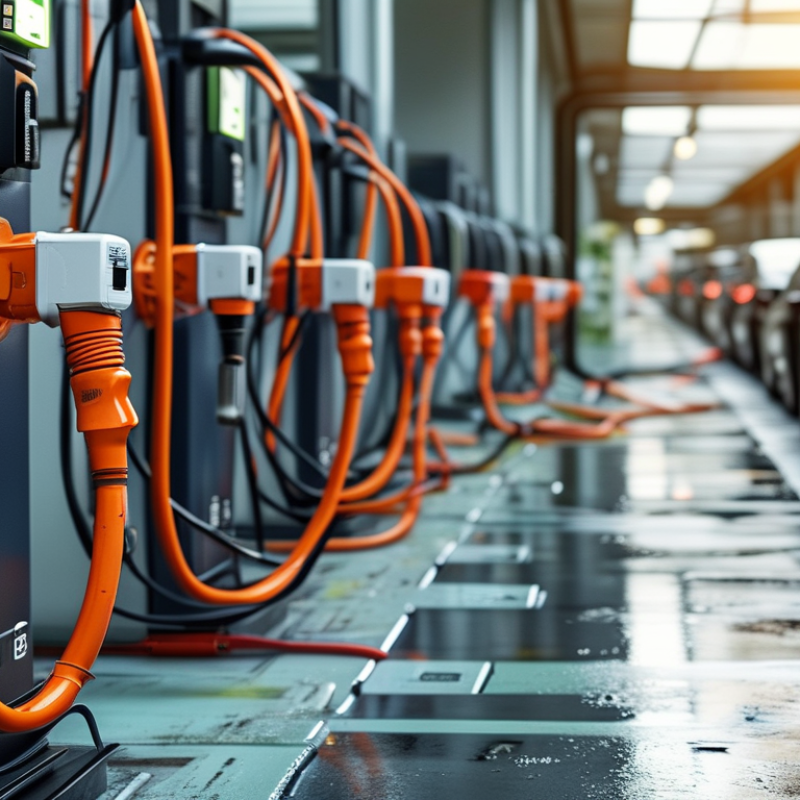
In the era of electric vehicles (EVs) and renewable energy systems, understanding what connectors are used in charging systems is crucial. According to a recent report by the International Energy Agency (IEA), the number of EVs on the road has surpassed 10 million globally, emphasizing the need for efficient power transfer. The connectors play a vital role in delivering this efficiency and ensuring compatibility across different models and charging stations.

Dr. Emily Chen, an industry expert at the Electric Power Research Institute (EPRI), states, “The choice of connectors directly impacts charging speed and user experience.” This highlights the significance of selecting appropriate connectors. Common options include CCS (Combined Charging System), CHAdeMO, and Tesla connectors. Each type has its unique specifications and applications, contributing to the diversity in charging technology.

Despite advancements, some challenges remain. Issues like connector durability and standardization can hinder progress. Understanding what connectors are used in charging systems is not only a technical necessity; it is a step toward a sustainable future. Keeping pace with developments will be essential for industry professionals and consumers alike, as the demand for electric mobility continues to grow.
What Connectors Are Used in Charging Systems for Efficient Power?

Types of Connectors in Electric Vehicle Charging Systems

The charging system for electric vehicles heavily relies on various connectors. These connectors ensure safe and efficient power transfer. Current reports indicate that the global electric vehicle connector market is projected to reach $3.64 billion by 2025, growing at a CAGR of 19.7%. This growth underscores the demand for reliable connectors.

Common connector types include the Type 1 and Type 2 connectors. Type 1 is mainly used in North America and Japan, featuring a simple design for single-phase charging. In contrast, Type 2, which is prevalent in Europe, allows for both single-phase and three-phase charging. It can handle higher power levels, making it more versatile. The growing emphasis on fast charging is leading to increased adoption of connectors like CCS and CHAdeMO, which support rapid charging speeds.

However, challenges remain. Compatibility issues arise with various standards worldwide. This lack of uniformity can confuse users and hinder the charging experience. Continuous collaboration among industry stakeholders is crucial to address these issues and enhance user convenience. Building robust infrastructure with standardized connectors could significantly impact charging efficiency and user satisfaction.

What Connectors Are Used in Charging Systems for Efficient Power?

Connector Type Usage Charging Speed Max Power Output
Type 1 (SAE J1772) North America & Japan Up to 7.2 kW 40 A
Type 2 (Mennekes) Europe Up to 22 kW 32 A (1-phase), 63 A (3-phase)
CCS (Combined Charging System) Fast Charging Up to 350 kW 150 A
CHAdeMO Japan & Global Up to 62.5 kW 125 A
Tesla Supercharger Tesla Vehicles Up to 250 kW Currently 200 A

Performance Metrics: Efficiency Ratings of Charging Connectors

Charging systems rely on various connectors to ensure efficient power transfer. The performance of these connectors is often assessed through efficiency ratings. According to recent industry reports, typical efficiency ratings for charging connectors range from 85% to 95%. High-efficiency connectors minimize energy loss during charging, making them crucial for consumer satisfaction and sustainability.

It's vital to recognize that connector design influences performance metrics. For example, connectors with better thermal management reduce energy loss through heat dissipation. Some connectors may claim high efficiency but fail in real-world applications. Therefore, testing in genuine scenarios is essential.

Tips: Always check efficiency ratings when selecting connectors. Look for certifications from reputable organizations. Regularly update your knowledge on emerging technologies that may improve charging efficiency.

Impact of Connector Design on Charging Speed and Power Loss

The design of connectors significantly influences charging speed and power loss in modern charging systems. Efficient connectors enable optimal power transfer between the charger and the device. Poor design can lead to increased resistance, which causes heat and energy loss. This inefficiency results in slower charging times, frustrating users and reducing device performance.

High-quality connectors often feature advanced materials and designs. These attributes help minimize resistance and enhance conductivity. Unfortunately, not all connectors are created equal. Some may prioritize cost over performance, leading to unreliable connections. Users may experience intermittent charging or decreased longevity of their devices.

Assessing connector design is crucial for developers and consumers alike. Understanding the impact of pin configuration, materials, and overall design can guide better choices. Striking a balance between performance and cost is essential. Continuous innovation in connector technology is necessary to meet evolving power demands.

Industry Standards and Compatibility in Charging Connector Systems

Charging connector systems play a critical role in the efficiency of power transfer. Industry standards ensure compatibility across various electric vehicles and charging stations. This is essential, as users expect quick and reliable charging. Different regions may adopt unique connectors. It's vital to stay informed about local standards.

When selecting a charging system, consider the various connector types. Type 1 and Type 2 connectors are commonly used. They differ in design and charging capabilities. For instance, Type 2 supports higher power levels, making it preferable for fast charging. Using an incompatible connector can lead to inefficiencies and prolonged charging times.

Tip: Always check the specifications of your electric vehicle and the charging stations before use. Ensuring compatibility can save you time and frustration. Regularly review updates on industry standards to stay ahead in the evolving landscape of charging technology. Small adjustments in connector choices can lead to significant improvements in charging efficiency.

Trends and Innovations in Connector Technology for Future Power Systems

The future of charging systems heavily relies on innovative connector technology. Recent studies indicate that the global market for charging connectors is expected to reach $2.5 billion by 2026. This growth reflects the increasing demand for efficient power transmission across various applications, from electric vehicles to renewable energy systems.

One key trend is the development of fast-charging connectors. Research shows that connectors capable of handling over 500 kW will become more common. These can reduce charging times significantly, making electric vehicles more appealing. However, challenges remain. Ensuring compatibility among different systems is vital. Without industry-standardization, both manufacturers and consumers may face inconsistent experiences.

Advancements in materials are also notable. Lightweight and durable materials can enhance connector performance. Data suggests that using advanced composites can increase thermal efficiency by up to 30%. This innovation not only improves safety but also supports higher power levels. Yet, the industry must continue to address issues like environmental impact and lifecycle sustainability. Resolving these concerns will define the future landscape of connector technology.

FAQS

: What are efficiency ratings for charging connectors?

: Efficiency ratings typically range from 85% to 95%. Higher ratings mean less energy loss during charging.

How does connector design affect performance?

Good design minimizes energy loss. Poor design increases resistance, leading to heat and slower charging times.

What materials improve connector efficiency?

Advanced materials enhance conductivity. High-quality connectors often use these materials to reduce energy loss.

Why is thermal management important in connectors?

Effective thermal management lowers energy loss. It prevents overheating, which can affect charging efficiency.

How can consumers verify connector performance?

Always check efficiency ratings. Look for certifications from recognized organizations to ensure reliability.

What is the trend in fast-charging connectors?

Connectors handling over 500 kW are becoming more common. They significantly reduce charging time for electric vehicles.

Why is industry standardization essential?

Without standards, compatibility issues arise. This affects user experience and may lead to inconsistent outcomes.

What challenges does connector technology face?

Environmental impact and lifecycle sustainability are major concerns. The industry must address these to innovate effectively.

What impact do poorly designed connectors have?

They can lead to intermittent charging and reduced device lifespan. Users may experience frustration due to unreliable performance.

How should developers approach connector design?

Balance performance and cost is crucial. Understanding material choice and pin configuration can guide better designs.

Conclusion

In exploring what connectors are used in charging systems, the article delves into various types specifically designed for electric vehicle (EV) charging. It highlights key performance metrics, such as efficiency ratings that determine the effectiveness of different connectors. Furthermore, it examines how design elements influence charging speed and power loss, emphasizing the importance of optimal connector configurations.

The discussion extends to industry standards that ensure compatibility across diverse charging systems, facilitating widespread adoption and user convenience. Additionally, the article identifies emerging trends and innovations in connector technology, which promise to enhance power delivery and efficiency in future charging systems. This comprehensive analysis underscores the critical role that connectors play in the evolving landscape of electric vehicle charging.

Oliver

Oliver

Oliver is a seasoned marketing professional with a wealth of expertise in driving brand awareness and engagement. With a deep understanding of our company's product offerings, he consistently delivers high-quality content that enriches our professional blog. His insights not only shed light on......