China’s EV charging market has expanded rapidly, from home wall boxes to high-power highway stations. Yet equipment quality, installation conditions, and user habits can differ widely. For drivers and fleet managers, one practical question remains: what are the common problems with charging systems? The answer is rarely just “a faulty charger.”
Real-world complaints often begin with slow charging, failed authentication, or a connector that will not release. A 7 kW home charger may deliver less power when voltage drops or another large appliance runs nearby. Public chargers can show an available status while a damaged cable, payment error, or network outage prevents a session. Moisture around an outdoor plug, dust inside a connector, and poor cable storage create small risks that become expensive repairs. Thermal alarms may also reduce charging speed before users notice the cause.
A reliable evaluation should compare rated output with measured performance. It should also check grounding, protection devices, software updates, communication protocols, and after-sales support. Manufacturer manuals and qualified electrical inspections matter more than online reviews alone. Problems overlap. Details matter. Still, specifications do not tell the whole story. A carefully marketed system can struggle in winter, heavy rain, or crowded parking areas. This guide examines frequent charging-system problems in China and explains practical ways to identify them. Some symptoms overlap, so a quick reset is not always a real solution.
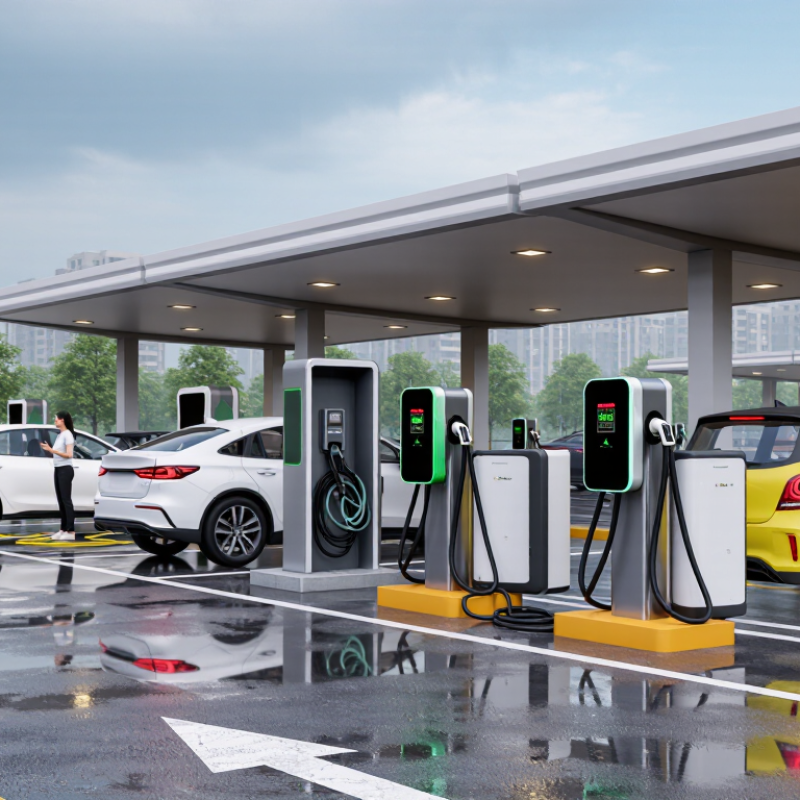
China’s best EV charging systems are not defined by maximum power alone. The right choice depends on vehicle type, site capacity, traffic patterns, and local standards. AC chargers suit offices, apartments, and overnight parking. DC chargers work better at highways, logistics hubs, and busy urban stations. High-power systems with liquid-cooled cables can reduce charging time, but they require stronger grid connections and careful maintenance.
The IEA’s Global EV Outlook 2024 reported more than 3.5 million public charging points in China at the end of 2023. China also added nearly one million public chargers during that year, representing over half of the global total. These figures show impressive scale, but scale does not guarantee quality. Field operators still face connector wear, payment interruptions, uneven uptime, and load spikes during evening demand. A reliable system should support GB/T charging requirements, dynamic load balancing, remote diagnostics, temperature monitoring, and clear fault records. Open communication support is valuable, although compatibility claims should be tested rather than trusted.
Tips: Ask for measured uptime data, not marketing estimates. Check performance at low temperatures and during peak demand. Test emergency stopping, cable handling, and payment recovery before installation. Leave space for future expansion. The best system today may need more capacity tomorrow. That assumption often fails. The ICCT has also highlighted the importance of dependable charging access for wider EV adoption, so maintenance planning matters as much as hardware selection.
Check the vehicle display, charger screen, cable lock, and indicator lights. Look for error codes, payment problems, network loss, or poor connector contact. Record the charger number, time, battery level, and screen message. Small details help technicians reproduce the fault.
Stop charging if the plug feels unusually hot or smells strange. Do not use damaged cables or cracked connectors. Move away from the equipment if smoke or visible damage appears. Safety comes before completing the session.
A restart sometimes restores communication between the vehicle and charger. However, it may hide an unstable connection. If the fault returns, record the pattern instead of repeating resets. One successful restart proves little.
The connector may be loose, wet, dirty, or poorly aligned. A vehicle charging schedule might also block immediate charging. Check that scheduled charging is disabled before testing again. The vehicle inlet can be the problem.
Try another socket only when the equipment looks safe and undamaged. Keep the connector dry and insert it fully. Do not switch sockets when the cable feels hot or smells unusual. Take a clear photo first.
No. Public status information can be delayed or inaccurate. A charger marked available may still have a network or hardware fault. Check recent conditions before traveling. Leave extra travel time.
Start with the site, not the advertised charging speed. Check electrical capacity, cable distance, ventilation, drainage, and parking space. A powerful unit can overload an older distribution panel. That risk is easy to overlook.
Look for documented safety testing and protection against overheating and overcurrent. Choose weather-resistant enclosures with secure locks and flexible cables. Test connectors while wearing gloves. Winter exposes weak designs.
Reliable systems need accurate energy records, load management, and remote diagnostics. Confirm compatibility with existing management software. Ask who responds when charging stops overnight. Vague support promises should raise concerns.
Use qualified electricians and request commissioning records. Test every socket under realistic electrical loads. Check cable routing, maintenance access, spare parts, warranty terms, and response times. A cheaper purchase may create frequent service visits.
China’s best EV charging systems combine stable power delivery, intelligent monitoring, broad vehicle compatibility, and strong protection against overheating, voltage fluctuations, water, dust, and communication failures. However, what are the common problems with charging systems? Typical issues include slow or interrupted charging, connector damage, poor grounding, network disconnection, payment or authorization errors, software bugs, and compatibility problems between the charger and vehicle. These faults may result from unstable electricity, worn components, incorrect installation, environmental conditions, or outdated control software.
Users can begin diagnosis by checking the power supply, cables, plugs, indicator lights, vehicle settings, and charging permissions. Restarting the system, reconnecting the plug, updating software, and testing another compatible charger may resolve simple faults. For repeated failures, professional inspection should be arranged to examine insulation, grounding, temperature control, communication modules, and internal protection circuits. When selecting a reliable EV charging system, buyers should evaluate safety certifications, charging efficiency, maintenance support, environmental resistance, smart management functions, compatibility, and long-term operating stability.

 VoltEdge Charging