China Top 10 EV Charging Problems and How to Fix Them?

Time:2026-09-26 Author:Sophia
0%

An EV that refuses to charge can turn a routine stop into a roadside puzzle. In China, the cause may be a loose GB/T connector, an incompatible charging post, a payment-app failure, or a vehicle setting that limits charging. Sometimes the screen says “connected,” yet the battery percentage does not move. Small clues matter.

EV charging educator Tom Moloughney is a useful industry reference. A practical summary of his approach—not a verbatim quotation—is: “Check the connection, power source, and vehicle settings before suspecting the battery.” That sequence helps drivers investigate calmly. It also avoids unnecessary repairs. This guide explores how to fix charging issues in electric vehicles, from failed home charging and interrupted public sessions to slow speeds, overheating warnings, and cold-weather performance drops.

Start with visible checks: inspect the cable and connector for damage, confirm the plug is fully seated, and compare the charger’s status with the vehicle dashboard. Then check charging schedules, battery limits, app permissions, and payment confirmation. At a public station, another compatible post can help distinguish a charger fault from a vehicle issue. Note the time, location, error message, and charging rate; those details help service teams diagnose the problem. Never open charging equipment or handle exposed wiring. Stop if you notice burning smells, unusual heat, or damaged parts. Not every fault has a quick fix. This guide will separate safe driver checks from problems that need qualified technical support.
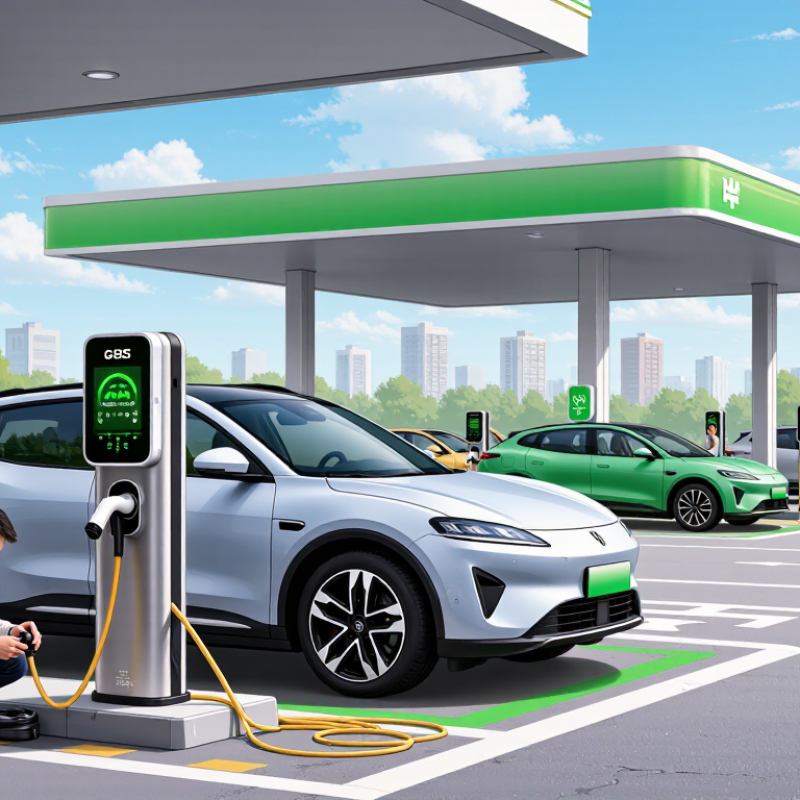
China Top 10 EV Charging Problems and How to Fix Them?

How EV Charging Works Across Home, Public, and Fast-Charging Networks in China

In China, EV charging usually moves between a home parking space, public stations, and highway fast chargers. Home charging is convenient, but installation may depend on parking permission, electrical capacity, and a suitable cable route. Apartment residents should confirm these details before buying equipment. Small delays here can become frustrating.

Public chargers often require a mobile app or QR-code payment, and station access can vary. Check live availability, connector compatibility, and charging power before driving over. Many vehicles and stations use GB/T connections, but compatibility should still be verified. Fast charging can add substantial range during a short stop, yet the car may slow charging as its battery fills or gets cold. The advertised power is not always the power your vehicle receives. A busy site can also share available capacity.

Tips: Keep a charging cable and payment method ready. For long trips, plan a backup station, not just the nearest one. If charging seems unusually slow, check battery temperature, the vehicle’s charge limit, and the station’s displayed output. I used to focus only on charger speed; that missed the quieter problem—arriving with too little time. Short stops help.

China: Top 10 EV Charging Problems and How to Fix Them

How charging works across home, public AC, and DC fast-charging networks. The chart shows indicative charging-power ranges; actual power depends on the vehicle, charger, battery level, temperature, and site capacity.

Common problems and practical fixes

  1. Connector incompatibility: Check that the vehicle and charger use compatible connectors, commonly GB/T in China.
  2. Charger is unavailable: Check live station status before driving there and keep a nearby alternative in mind.
  3. Payment or access trouble: Confirm the accepted payment method and complete any required account or identity setup before arrival.
  4. Charging will not start: Re-seat the connector, follow the charger’s start instructions, and check the vehicle’s charging settings.
  5. Charging is slower than expected: Check the vehicle’s maximum AC or DC charging rate and remember that power often tapers as the battery fills.
  6. Charging stops unexpectedly: Check the charger screen and vehicle alerts; if needed, stop the session safely and try another connector.
  7. Connector is difficult to release: End the session through the vehicle or charger controls, then follow the vehicle’s release procedure—do not force it.
  8. Cold or hot weather reduces charging speed: Precondition the battery when supported and allow extra charging time.
  9. Home charging trips a circuit: Have a qualified electrician check the circuit capacity and charger installation; do not use improvised wiring.
  10. Fast chargers are busy or out of service: Check current availability and plan a backup stop, especially on long-distance trips.

Power ranges are indicative, not guaranteed ratings for every site. Charging speed is also limited by the vehicle and battery conditions.

How to Identify Charging Problems from Common Symptoms

A charging problem often leaves clues before the battery percentage changes. If the connector will not lock, check for dust, moisture, or visible damage around the inlet. Never force it. A loose connection may interrupt charging or cause the session to stop. If the plug fits but charging does not begin, confirm the vehicle is parked, the charging port is unlocked, and the station screen shows an active session. A delayed start can also come from a scheduled charging setting.

Watch the charging display. A rapid stop, repeated start, or unusually low power may point to a poor connection, a station fault, or temperature limits. Compare the displayed power with the vehicle’s usual rate, but remember that cold weather and a nearly full battery can slow charging. Try another compatible station when practical. If the same symptom follows the vehicle, note the warning message and contact a qualified service provider. If only one station fails, report its location and fault code to the operator.

Heat deserves attention. A mildly warm cable can be normal, but a hot connector, burning smell, smoke, or damaged insulation is not. Stop the session if it is safe, keep clear, and seek assistance; do not open the charger or inlet. These checks are not perfect. Charging symptoms can overlap, and guessing can waste time. Record the time, temperature, station status, and exact warning shown. Small details help a technician find the real cause.

Ten Frequent EV Charging Problems and How to Fix Them

A connector that will not lock may be misaligned. Remove it, check for visible debris, and reconnect gently. Do not force it. A charger marked unavailable may be occupied or offline; try another unit and report the fault. If payment or app authorization fails, check your connection and payment details, or use another approved payment option. Check the basics. Slow charging can result from the vehicle’s charge limit or battery temperature, so review the settings and allow the battery to adjust.

If a session stops unexpectedly, check the charger screen and confirm the connector is secure before restarting. A dashboard error may come from a loose plug; reconnect once, then seek qualified service if the warning returns. A scheduled-charge setting can make a working charger seem inactive, so review the vehicle’s charging schedule. Do not force it.

Stop using a cable that feels unusually warm or shows damage, and contact site staff. Moisture or debris around the charging port may prevent a connection; keep it clean and dry, and never insert tools. If the charger says charging is complete but the battery level barely changes, check the vehicle display again after a few minutes. Persistent mismatch needs inspection.

Keep a note of error codes, time, and charger location to help technicians diagnose repeat faults. Repeated retries can waste time and obscure a recurring problem.

How China’s Charging Standards, Apps, and Payment Systems Affect Charging

China’s charging experience depends on more than the plug. Public chargers commonly follow GB/T standards, but connector type and vehicle compatibility still matter. Check whether a station offers AC or DC charging before driving there. A matching connector does not guarantee the charger is available or working. Small details count.

Apps add another layer. One service may show a charger’s status, while another may be needed to start a session. Availability data can lag behind reality, especially when a unit has just been occupied or reported faulty. Look for recent status updates, charging power, access instructions, and any parking or idle fees. If the screen and app disagree, trust neither blindly.

Payment may involve scanning a QR code, using an app account, or following instructions at the charger; options vary by site. Keep mobile data available, and check that your payment method is accepted before plugging in. A weak signal can turn a simple scan into a delay. It happens. Save the session receipt and confirm charging has stopped before leaving. These steps are not foolproof, and station interfaces can still be confusing, but they reduce avoidable surprises.

How to Prevent Recurring Charging Problems Through Safe Use and Maintenance

Recurring EV charging problems often start with small habits. Dust on a connector, a cable bent under a tire, or a loose plug can interrupt a session. Before charging, check the connector and cable for cracks, exposed wires, or unusual wear. Keep connection points clean and dry, and never force a plug that will not fit. Small checks help. If charging stops repeatedly, note the error message and follow the vehicle or charger manual before trying again.

Tips: Uncoil the cable fully, avoid pulling it by the cord, and keep it away from standing water. Stop using equipment that feels unusually hot or smells burnt. Ask a qualified technician to inspect it.

A simple routine makes faults easier to spot. Check charging settings and scheduled start times when a session does not begin as expected. After charging, remove the connector by its handle and store the cable without tight bends. Arrange professional inspection if problems persist, or if the charger, socket, or cable shows damage. I sometimes skip a quick visual check when I am in a hurry; that is exactly when a worn cable can go unnoticed. Regular attention is useful, but it cannot replace proper repairs.

China Top 10 EV Charging Problems and How to Fix Them? — How to Prevent Recurring Charging Problems Through Safe Use and Maintenance

# Common Problem Possible Causes What to Do How to Prevent It
1 The connector will not fit or charging will not start The connector type may not match the vehicle inlet; the plug may not be fully seated; the charging port or connector may be damaged or obstructed. Check the vehicle manual and charging-point instructions for compatible AC or DC connector types, including the applicable GB/T interface. Inspect the port for visible debris or damage, and reseat the connector gently. Do not force it. Confirm connector compatibility before travelling. Keep the inlet and connector clean and dry, and report damaged equipment rather than using it.
2 The charger does not recognize the vehicle or authorize a session A charging session may require an approved payment or access method; an app or network connection may be unavailable; the charger or vehicle may not complete its handshake. Follow the instructions displayed at the charging point, check the selected payment or access method, and try another available point if authorization continues to fail. Contact the site operator for assistance. Before a trip, check that the required payment method is available and that the charging service is accessible. Keep an alternative charging option in mind.
3 Charging is slower than expected Charging power can be limited by the vehicle’s maximum AC or DC charging rate, battery temperature, battery state of charge, charger output, or power shared with other vehicles. Check the vehicle display and charger screen for the current power and any limits. If the battery is cold or hot, allow its thermal-management system to operate. Compare the charger’s rated output with the vehicle’s supported rate. Allow extra time in extreme temperatures, plan charging stops around the vehicle’s capabilities, and avoid assuming that a charger’s stated maximum output will always be available.
4 A charging session stops unexpectedly Possible causes include a temporary power or communication interruption, an overheated or poorly seated connector, a vehicle charge limit, or a fault at the charging point. Check the vehicle and charger messages, confirm that the charge limit or schedule has not been reached, and restart the session only as instructed. If the fault recurs, stop using that point and report it. Seat the connector fully, avoid pulling or bending the cable, and check the vehicle’s charge schedule and target before starting.
5 The connector is difficult to release after charging The vehicle may still be in an active session, the connector lock may not have released, or the vehicle’s locking settings may require a specific unlocking procedure. End the session using the prescribed method and unlock the vehicle as described in its manual. Wait for the lock to release. Never yank the cable or use tools to pry the connector out. Learn the vehicle’s connector-release procedure in advance. End the session properly and keep the cable free of strain while charging.
6 The cable or connector becomes unusually hot Heat can result from a poor connection, damaged equipment, heavy current, a blocked or poorly ventilated area, or a fault in the charger or vehicle inlet. If there is excessive heat, a burning smell, smoke, sparking, or visible damage, stop charging if it is safe to do so, keep clear, and notify the site operator. Do not touch exposed conductors or open equipment. Use only undamaged charging equipment, keep the cable properly connected and unobstructed, and report unusual heat or smell promptly. Do not repair high-voltage equipment yourself.
7 Charging is interrupted during rain or after water exposure Outdoor charging equipment is designed for specified conditions, but damaged seals, submerged equipment, wet or contaminated connectors, or incorrect handling can create a safety risk. Follow the charger’s weather instructions. Do not connect equipment that is visibly damaged, submerged, or contaminated. If water has entered the inlet or equipment, stop and contact the operator or a qualified service professional. Keep connector caps in place when not charging, avoid standing water, and do not handle plugs with wet hands. Never use charging equipment that shows signs of water damage.
8 Home charging trips a breaker or causes an electrical warning The circuit may be overloaded, incorrectly installed, inadequately rated, or affected by an electrical fault. Sharing a circuit with high-power appliances can also cause trips. Stop charging and do not repeatedly reset a tripping breaker. Have the circuit, protective devices, and charger installation checked by a qualified electrician or authorized service professional. Use a properly designed, dedicated charging circuit with suitable protection and installation in accordance with local requirements. Avoid extension cords and improvised adapters.
9 The charger or vehicle displays a fault code A fault may relate to the charger, vehicle, connector, communication, or electrical supply. The same code can have different meanings across vehicle and charger systems. Record the exact message or code and follow the relevant manual. Try another charger only if the vehicle shows no warning that makes charging unsafe; otherwise, contact qualified service support. Keep the vehicle software and charging equipment maintained as directed. Record recurring faults and avoid repeatedly restarting equipment that reports a persistent safety-related error.
10 Charging does not begin at the scheduled time or stops at the wrong level A vehicle charge schedule, time-of-use setting, charger schedule, or target state-of-charge limit may delay or stop charging. Conflicting settings can make the result unexpected. Review the vehicle and charger schedules, charging target, and time settings. Temporarily disable conflicting schedules for a supervised test, then set one clear schedule. After changing settings or software, confirm the next charging session starts as expected. Check the dashboard or charging app before relying on a scheduled charge.

FAQS

What should I check before installing a home EV charger?

Confirm parking permission, electrical capacity, and a safe cable route. Apartment installations may need extra approval. Check before buying equipment.

What should I check before driving to a public charging station?

Check live availability, connector compatibility, and charging power. Some stations need an app or QR-code payment. Keep another station in mind.

Why might fast charging be slower than advertised?

The vehicle may reduce power as the battery fills or gets cold. A busy station may also share its capacity. Advertised power is not guaranteed.

What can I do if a connector will not lock?

Remove it and check for visible debris. Align it, then reconnect gently. Never force the plug.

Why might a charger appear inactive when connected?

Check scheduled charging settings and the vehicle’s charge limit. Confirm the connector is secure. Small checks help.

What should I do if charging stops unexpectedly?

Check the charger screen and vehicle display. Reconnect once if the plug seems loose. If the problem repeats, stop retrying and note the error.

When should I stop using a charging cable?

Stop if it feels unusually hot, smells burnt, or shows cracks or exposed wires. Ask a qualified technician to inspect it.

How can I reduce recurring charging problems?

Keep connectors clean and dry, uncoil the cable, and avoid tight bends. Store it by the handle, not under a tire. I still miss quick checks when rushing; that can matter.

Conclusion

This guide explains how electric vehicle charging works across home, public, and fast-charging networks in China, and how differences in connectors, charging standards, apps, and payment methods can affect the experience. It shows drivers how to recognize trouble from symptoms such as a failed connection, slow charging, interrupted sessions, payment errors, or an unresponsive charger. By tracing these signs to likely causes, readers can learn how to fix charging issues in electric vehicles through practical checks, including inspecting the cable and connector, confirming vehicle settings, restarting a session, and checking network or account status.

The article also covers ten common charging problems and sensible steps to address them, while explaining when to stop troubleshooting and seek qualified assistance. It highlights safe habits for home and public charging, routine equipment checks, and simple maintenance that can help prevent repeat failures. Together, these tips help drivers charge more reliably and respond calmly when a charging session does not go as planned.

Sophia

Sophia

Sophia is a dedicated marketing professional with an exceptional depth of knowledge about her company's products and services. With a keen understanding of market trends and customer needs, she crafts insightful blog posts that not only inform but also engage readers, enriching the company’s online......