Improving electric-vehicle charging efficiency is not simply about choosing the highest-powered charger. It involves the vehicle, battery temperature, charging equipment, electricity supply, and driver habits. This guide explores seven practical ways to reduce charging losses, shorten unnecessary charging time, and protect long-term battery performance. The central question is clear: how to improve charging efficiency for electric vehicles without creating new energy waste.
EV charging expert Tom Moloughney has highlighted a useful principle: “The charging session is only as efficient as the entire system around it.” That system includes cable quality, connection stability, software settings, and household wiring. A warm battery may accept energy more effectively than a cold one. A damaged connector may create resistance and heat. Small details matter.
The following sections examine battery preconditioning, suitable charging speeds, scheduled charging, efficient home equipment, and smart energy management. They also consider regenerative braking and charging losses that drivers rarely see on the dashboard. A charger rated at 11 kW does not guarantee 11 kW reaches the battery. Some energy powers cooling systems, displays, and onboard electronics. That can be surprising.
Real-world charging is imperfect. Weather changes. Grid quality varies. Drivers also make rushed decisions. Still, careful habits can produce measurable improvements. Checking cable connections, avoiding unnecessary fast charging, and charging during cooler periods may help. These actions are simple, but not always convenient. Efficiency should therefore be treated as a practical balance, not a perfect target.
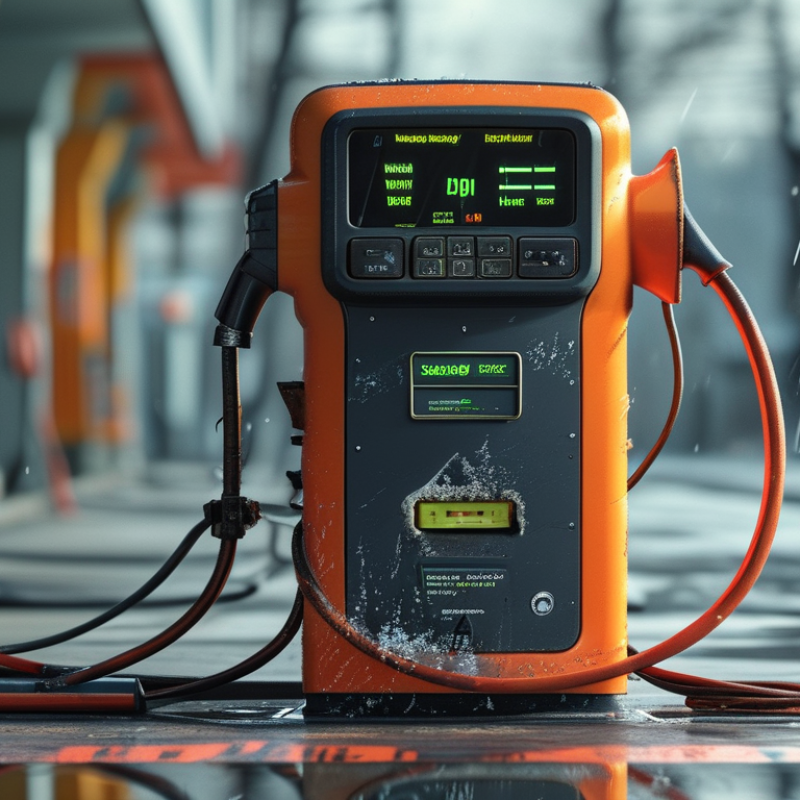
Understanding the Factors That Affect EV Charging Efficiency
Charging efficiency depends on more than the charger’s advertised power. Battery temperature plays a major role. A very cold or hot battery may accept energy slowly to protect its cells. Preconditioning the battery before a planned fast charge can reduce this delay. Keep the vehicle away from direct summer heat when possible. Heat matters.
The battery’s charge level also changes charging speed. Most EVs charge fastest at lower levels, then slow down near full capacity. Charging between roughly 20% and 80% often saves time, although daily needs should guide this choice. Use a suitable cable and inspect its connectors for dirt, moisture, or damage. A poor connection can waste energy and create heat. The vehicle’s onboard charger may also limit power, even when the charging station supplies more.
Electricity quality, cable length, and charging schedules affect real-world results. Home charging during lower-demand hours may reduce grid strain, but local rates and energy sources vary. Keep software updated through approved service channels, and ask a certified technician to check unusual charging losses. Accurate measurements require comparing energy drawn from the outlet with energy stored in the battery, not only reading the dashboard.
A common mistake is blaming the charger immediately. I once underestimated temperature and cable limits when comparing two charging sessions. The comparison looked convincing, but the conditions were different. Reliable testing needs the same battery level, temperature, and power supply. Small details matter.
In daily driving, charger selection affects more than charging speed. A Level 1 charger can work overnight, but it adds modest range each hour. A properly installed Level 2 unit usually suits regular home charging. It delivers higher power without creating excessive heat or long parking times. Check the vehicle’s maximum AC intake before upgrading. A powerful charger cannot force the car to accept more energy. I once assumed faster always meant better. That was not true during short errands.
Use a cable rated for the charger’s current and the vehicle’s connector. Avoid loose, hot, cracked, or undersized cables. A cable lying in rain or across a traffic path creates practical risks. Keep connections clean and fully seated. For long cable runs, a qualified electrician should confirm conductor size, voltage drop, grounding, and protective devices. Portable charging equipment deserves the same care as permanent equipment. Do not rely on an inexpensive adapter without checking its ratings and compatibility.
Choose DC fast charging when time matters, not for every session. Charging power often falls as the battery approaches its upper limit. Preconditioning the battery can improve charging in cold or hot weather. Charging between roughly 20% and 80% may suit many trips, but vehicle guidance matters. Monitor the first few sessions. If the plug becomes unusually warm, stop and arrange an inspection. Small losses remain unavoidable. My own charging records sometimes show less improvement than expected.
7 Best Ways to Improve Charging Efficiency for EVs?
Improving EV charging efficiency starts with timing, temperature, and power control. In daily use, cooler evening hours often reduce thermal throttling. Avoid charging immediately after hard driving. Let the battery rest for 20 to 30 minutes when it feels hot. Charging between 20% and 80% usually balances speed, battery stress, and usable range. Not always. Long trips may require a full charge.
Use scheduled charging to match lower-demand electricity periods. This can reduce household peak load and sometimes lower energy costs. Keep the charging cable short, dry, and fully connected. Loose connections create resistance and waste power. Check the plug and socket for heat, discoloration, or damage. Stop if anything looks abnormal. Select a charging current that your home circuit can safely support. Faster is not automatically better. A lower current may work better overnight and ease pressure on older wiring.
Precondition the cabin while the vehicle remains connected. This preserves battery energy for driving, especially in cold weather. Park in shade during extreme heat and avoid leaving the battery at 100% for many hours. Software estimates help, but they are not perfect. My charging logs sometimes showed unexplained efficiency losses. Recording temperature, start time, energy added, and duration can reveal useful patterns. A qualified technician should inspect repeated faults, unusual heat, or unsafe home wiring.
| No. | Efficiency Improvement | Practical Target or Typical Result | How It Improves Charging Efficiency | Best Practice |
|---|---|---|---|---|
| 1 | Charge during moderate battery temperatures | Approximately 15–30°C (59–86°F) battery temperature is generally favorable | Lithium-ion batteries accept energy more efficiently at moderate temperatures. Very cold batteries may restrict charging power, while excessive heat can increase cooling demand and charging losses. | Whenever possible, charge after normal driving in mild weather. In cold conditions, use battery preconditioning before a scheduled fast-charge session. |
| 2 | Use scheduled charging | Match charging to departure time and off-peak periods | Scheduling avoids unnecessary time at a high state of charge and can reduce auxiliary energy use from prolonged battery conditioning. Off-peak electricity may also reduce operating cost. | Set a departure time and begin charging late enough to finish shortly before the vehicle is needed. |
| 3 | Prefer slower AC charging for routine use | Typical AC charging efficiency is about 85–95%, depending on the vehicle and charger | Moderate AC power usually produces less heat and lower cooling demand than high-power DC charging. It is well suited to overnight or workplace charging. | Use the lowest charging power that comfortably meets the daily driving requirement, while reserving high-power DC charging for longer trips. |
| 4 | Avoid charging to 100% unless needed | Use the vehicle’s recommended daily limit; many vehicles support an adjustable limit near 70–90% | The final portion of a lithium-ion battery charge uses a slower constant-voltage phase. Stopping earlier reduces time spent in this less efficient phase and limits unnecessary energy demand. | Set a lower daily charge limit and charge to 100% only before a trip when the additional range is required. Follow the vehicle manufacturer’s guidance for battery balancing. |
| 5 | Avoid charging below 0°C (32°F) without battery conditioning | Allow preheating before charging when the battery is below freezing | Charging a cold lithium-ion battery at high power can be restricted to protect the cells and may reduce charging speed. Heating the battery consumes energy but can improve charge acceptance and protect battery durability. | Connect the vehicle while it is still plugged in and use the scheduled departure or battery-preconditioning function when available. |
| 6 | Reduce auxiliary power consumption while charging | Minimize cabin heating, cooling, lighting, and entertainment loads during charging | Energy used by cabin climate control, battery cooling, pumps, fans, and electronics does not directly increase stored battery energy. Reducing these loads improves the proportion of grid energy stored in the battery. | Precondition the cabin while connected to the charger, then use moderate climate settings and seat heating where appropriate during departure. |
| 7 | Keep charging equipment and connections in good condition | Use correctly rated cables, plugs, outlets, and circuit protection; stop if connectors become unusually hot | Loose, damaged, undersized, or corroded connections can increase electrical resistance, create heat, and waste energy. Proper equipment also helps maintain stable charging power. | Use certified equipment installed by a qualified electrician, keep connectors clean and dry, and avoid extension cords unless specifically approved for EV charging. |
| Note: Targets and efficiency ranges are general industry guidance. Actual results vary with battery chemistry, vehicle design, charger type, ambient temperature, state of charge, cable condition, and local electrical conditions. | ||||
7 Best Ways to Improve Charging Efficiency for EVs?
Applying Battery-Friendly Charging Practices for Longer-Term Efficiency
Charging efficiency is not only about speed; it also protects usable battery capacity over time. In daily driving, keep the battery within a moderate range, often between 20% and 80%. This reduces stress compared with frequent deep discharges or constant full charging. However, the ideal range differs by vehicle and battery design. Check the owner’s manual before changing your routine.
Heat deserves equal attention. Park in shade when possible, and avoid rapid charging immediately after demanding driving. Let the battery cool briefly. A cooler battery usually accepts energy more efficiently. During cold weather, preconditioning while connected to a power source can reduce wasted energy. I have found that short, scheduled charging sessions work better than leaving the vehicle connected unnecessarily overnight.
Small habits matter.
Use a properly rated cable and keep charging equipment clean and dry. Avoid tight cable bends, damaged connectors, or poorly ventilated outlets. Set charging times for periods when electricity demand is lower, if your local schedule supports it. Charging to 100% can be reasonable before a long trip, but leaving the vehicle full for several days may accelerate battery wear. I sometimes still charge higher than needed for convenience. That choice is practical, but not always efficient. Track energy use, charging time, and weather conditions for a few weeks. The pattern may challenge your assumptions.
7 Best Ways to Improve Charging Efficiency for EVs?
Monitoring charging performance starts with reliable records. Log charging time, electricity delivered, battery gain, and outdoor temperature. A sudden increase in charging time may indicate heat, cable resistance, or circuit limitations. Compare similar sessions instead of trusting one reading. Small changes matter.
Inspect the charging cable and connector before use. Look for cuts, bent pins, loose fittings, or unusual warmth. Keep contact surfaces clean and dry. Ensure the charging area has clear airflow, especially during hot weather. Schedule charging during cooler periods when practical. Avoid unnecessary extensions, because they can increase resistance and heat. One mistake I made was ignoring a slightly warm connector; it later needed professional inspection.
Maintain the charging equipment with a documented routine. Check ventilation openings monthly, confirm protective devices operate correctly, and arrange electrical testing through a qualified technician. Keep equipment software current when updates are provided through approved channels. Review charging data after maintenance to confirm improvement. A useful target is stable power delivery with fewer interruptions, not simply the shortest session. Battery temperature, state of charge, and household demand can still distort comparisons. That limitation deserves attention.
: Very cold or hot batteries accept energy slowly to protect their cells. Heat matters.
Precondition the battery before charging. Avoid direct summer heat and let a hot battery rest for 20 to 30 minutes.
Charging is often fastest between lower levels and about 80%. Speed usually decreases near full capacity.
No. This range balances speed and battery stress, but long trips may require a full charge.
Dirt, moisture, damage, or loose connections increase resistance. Check for heat, discoloration, and damaged connectors.
Yes. The vehicle’s onboard charger may limit incoming power, even when the station offers more.
Scheduled charging during lower-demand hours can reduce peak household load. Local prices and energy sources vary.
Compare energy drawn from the outlet with energy stored in the battery. Dashboard estimates are not perfect.
Record battery level, temperature, start time, energy added, and charging duration. Conditions must stay similar.
Seek qualified help for repeated faults, unusual heat, energy losses, or unsafe home wiring. Stop when anything looks abnormal.
Improving EV charging efficiency starts with understanding how factors such as battery condition, ambient temperature, charging power, cable quality, and energy losses affect the process. Learning how to improve charging efficiency for electric vehicles involves choosing a compatible charger, cable, and charging level that match the vehicle’s requirements without using unnecessary power. Charging during suitable periods, avoiding extreme temperatures, and keeping energy use steady can also help reduce charging losses and improve overall performance.
Battery-friendly habits are equally important for long-term efficiency. Drivers should avoid keeping the battery at very high or very low levels for extended periods, use fast charging only when necessary, and allow the battery to reach a suitable temperature before charging. Regularly checking charging speed, energy consumption, connectors, cables, and equipment condition can reveal performance problems early. By combining suitable equipment, careful charging schedules, temperature management, and routine maintenance, EV owners can achieve more consistent charging, protect battery health, and reduce wasted energy over time.

VoltEdge Charging