As electric vehicles (EVs) continue to gain traction globally, the issue of charging compatibility becomes increasingly critical. According to a 2022 report by the International Energy Agency, global EV sales surged to 6.6 million units, marking a 108% increase from the previous year. This rapid growth highlights the urgent need to address "how to ensure charging compatibility across vehicles." Diverse charging standards and connector types complicate this landscape, threatening convenience for consumers.
Inconsistent charging solutions can lead to frustration and reduced adoption rates. A recent study by McKinsey reveals that 70% of potential EV owners express concerns over charging accessibility. Ensuring compatibility requires collaboration among manufacturers and standardization of technologies. Industry leaders must consider solutions that enhance interoperability, ultimately benefiting consumers and fostering a more sustainable future.
However, achieving compatibility isn't without challenges. Various stakeholders—OEMs, infrastructure providers, and regulatory bodies—must align their goals. As the EV market evolves, it’s essential to reflect on the current gaps and explore innovative approaches. Compatibility is not merely technical; it influences consumer confidence and market growth. A concerted effort is needed to create an inclusive, reliable charging ecosystem for all vehicles.
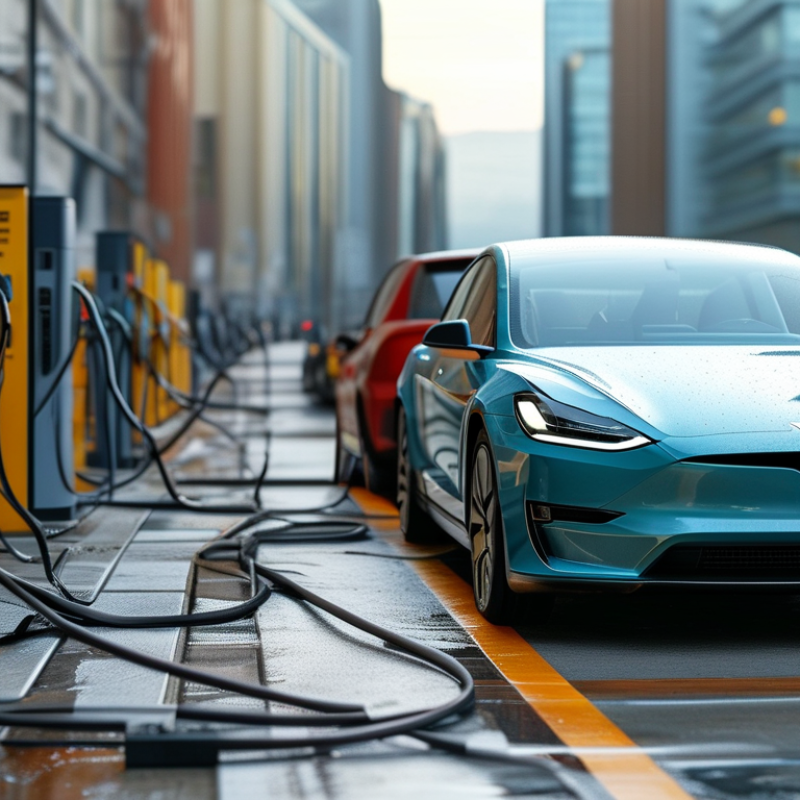
Standardizing EV charging connectors is critical for a smoother transition to electric mobility. A recent report from the International Energy Agency highlights that by 2030, the global EV stock could reach 145 million vehicles. This rapid growth emphasizes the need for uniformity in charging systems across regions. Fragmentation can lead to inefficiencies and frustration for users. As of 2022, around 40% of chargers worldwide were incompatible with certain EV models, showcasing the urgency for standardization.
Different regions have adopted various charging standards, creating confusion. For instance, Europe primarily uses the CCS (Combined Charging System), while other areas lean toward CHAdeMO. Aligning these standards could simplify the charging process. According to the Global EV Outlook report, a universal connector could reduce charging time by up to 30%. It could also enhance the user experience, eliminating the need for multiple cables and adapters.
Moreover, the establishment of global standards would facilitate investment in charging infrastructure. Investors often hesitate due to uncertainties in technology adoption. If regions adopt a common connector, investment in charging stations may increase. But achieving this requires collaboration among automakers, governments, and industry stakeholders. Reaching a consensus is challenging, and it will take time to create a universally accepted system.
| Connector Type | Standardization Status | Geographic Regions | Charging Speed (kW) |
|---|---|---|---|
| Type 1 | Widely Used | North America, Japan | 7.2 kW |
| Type 2 | Standardized | Europe | 22 kW |
| CCS (Combined Charging System) | Common Standard | Worldwide | 50 kW - 350 kW |
| CHAdeMO | Widely Supported | Primarily Japan | 50 kW |
| Wireless Charging | Emerging Technology | Global Testing | Up to 11 kW |
: Standardizing connectors ensures a smoother transition to electric mobility and improves user experience.
Fragmentation leads to inefficiencies and frustration for users who face compatibility issues.
About 40% of chargers worldwide were incompatible with certain EV models, highlighting urgent needs.
A universal connector could reduce charging time by 30% and simplify the charging process.
Achieving consensus among automakers, governments, and industry players is complex and time-consuming.
They allow charging of various EV types without needing multiple charging stations, increasing flexibility.
Initial costs, usage rates, and specific needs are crucial for evaluating the investment's return.
Universal chargers and smart charging systems are notable advancements promoting compatibility and efficiency.
Connectivity issues and confusing user interfaces can hinder the effective use of smart features.
Renewable energy integration promotes sustainability, but balancing supply and demand remains a challenge.
To effectively address how to ensure charging compatibility across vehicles, it's crucial to adopt best practices for standardizing EV charging connectors across different regions. Standardization can significantly reduce the confusion for consumers and boost electric vehicle adoption rates as more users feel confident in the availability and accessibility of compatible charging solutions.
Moreover, understanding the role of regulatory policies is essential in creating a framework that promotes compatibility, ensuring that all stakeholders adhere to a set of standards. Evaluating the cost-benefit ratio of investing in multi-vehicle charging solutions highlights the long-term advantages of compatibility and innovation in charging technologies. These advancements not only enhance user convenience but also pave the way for faster charging options, making the transition to electric vehicles more appealing and efficient.

 VoltEdge Charging