2026 Best Guide to How Electric Vehicle Charging Works?

Time:2026-04-09 Author:Isabella
0%

As the demand for electric vehicles (EVs) continues to rise, understanding how does electric vehicle charging work becomes essential. According to a report from the International Energy Agency, global EV sales reached 6.6 million in 2021, marking a significant increase. This trend highlights the urgency in developing efficient and reliable charging solutions.

Electric vehicle charging is a multifaceted process. It involves various types of charging equipment, from Level 1 home chargers to fast Level 3 DC chargers. The charging speed varies according to the type of charger used. For instance, Level 1 can take up to 24 hours for a full charge, while Level 3 can add hundreds of miles in just minutes. However, not all areas provide adequate charging infrastructure, leading to range anxiety among potential EV owners.

Several studies indicate that charging behavior can be unpredictable. Some users prefer to charge overnight, while others look for quick public charging stations during the day. This inconsistency can complicate the deployment of charging stations. It is critical for the industry to address these issues, ensuring accessibility and efficiency in electric vehicle charging to support future growth.
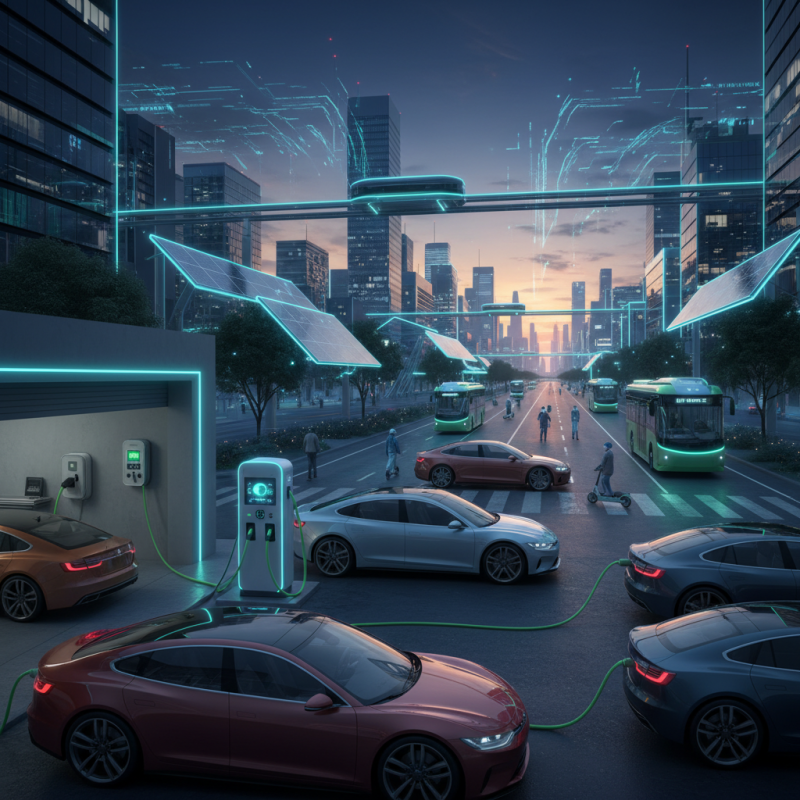
2026 Best Guide to How Electric Vehicle Charging Works?

Understanding Electric Vehicle Charging: An Overview

Electric vehicle (EV) charging is crucial for the uptake of electric mobility. Understanding how it works can be overwhelming. There are three primary types of charging: Level 1, Level 2, and DC fast charging. Level 1 uses a standard outlet and is best suited for home charging. It’s slow but convenient. Level 2 requires a dedicated charging station, offering faster charging at homes or public places. DC fast charging is the quickest option, suitable for on-the-go charging in urban areas.

While charging an EV seems straightforward, various factors affect the process. Battery capacity, charging level, and external temperature all play a role. For example, charging can slow in cold weather, which might frustrate users. Charging stations may be scarce in certain regions, limiting accessibility. Not all EVs can utilize DC fast chargers, creating compatibility issues.

As awareness grows, so do questions about charging infrastructure. Users often wonder about long-term costs, charging time, and energy sources. It's essential to evaluate local networks and electricity availability. Improved infrastructure will benefit both urban and rural drivers. However, it’s crucial to stay informed about advancements and potential challenges in the EV charging landscape. Experimenting and sharing experiences will contribute to a better understanding of how to navigate this evolving world.

Types of Electric Vehicle Charging Stations Explained

Electric vehicle (EV) charging stations come in various types, each serving unique purposes. Understanding these categories can enhance the charging experience. There are three main types of EV charging stations: Level 1, Level 2, and DC fast chargers. Level 1 stations use standard household outlets and deliver about 4-5 miles of range per hour of charging. This is often sufficient for overnight charging at home.

In contrast, Level 2 stations provide a faster option, delivering 10-20 miles of range per hour. Public charging networks typically utilize Level 2 chargers. These stations are crucial for urban areas where shorter charging times are essential. According to a report by the International Energy Agency (IEA), the number of publicly available charging stations reached over 1.8 million globally in 2022, with Level 2 chargers being the most common.

DC fast chargers deliver significant power at high speed, allowing for 60-80 miles of range in just 20 minutes. They are designed for high-traffic areas and long-distance travel. Despite their benefits, they face challenges such as cost and infrastructure requirements. It is important to reflect on the current charging landscape and consider the necessary expansions to support the growing electric vehicle market. The transition to sustainable transport heavily relies on accessible and efficient charging solutions.

How to Charge Your Electric Vehicle at Home

Charging your electric vehicle (EV) at home can be straightforward. Keep your garage space organized. Identify the best location for charging equipment. This spot should be close to an electrical outlet. A dedicated circuit enhances safety and performance. A professional electrician can assist with installation. This ensures compliance with local regulations.

Understanding charger types is crucial. Level 1 chargers use a standard outlet. They are slow, adding about 3 to 5 miles per hour of charging. For quicker charging, a Level 2 charger is necessary. It requires a 240-volt outlet and can provide 10 to 60 miles of range per hour. Evaluate your daily driving needs and choose accordingly.

Consider installation costs and additional upgrades. Some homes may require electrical panel upgrades. This can add to your upfront investment. Monitor your energy consumption as well. Charging during off-peak hours can reduce costs. Implement a scheduling system to optimize efficiency. Regularly check the charger for any faults or issues. This proactive approach ensures reliability and longevity. While home charging is convenient, it requires attention and care.

Public Charging Infrastructure: Availability and Access

The expansion of public charging infrastructure is crucial for the widespread adoption of electric vehicles (EVs). According to a recent report by the International Energy Agency (IEA), there were over 1.8 million public chargers globally as of 2022. This number is projected to increase significantly by 2026. However, accessibility remains a challenge in many regions.

Urban areas tend to have fewer charging options, leading to range anxiety among potential EV users. A survey from EDF revealed that 45% of respondents worry about finding a nearby charging station. In rural areas, this problem is even more pronounced. Many communities lack adequate infrastructure, which can hinder EV adoption. The growth in charging networks must address this imbalance.

Current charging technologies vary widely in type and speed, complicating the user experience. Fast chargers can deliver up to 350 kW, allowing users to recharge significantly faster. However, only a fraction of available stations offer these capabilities. Potential users may need to plan their trips carefully, especially in less populated regions. Improved site selection is essential for building a robust network. Stakeholders must also focus on interoperability and user-friendly solutions.

Future Trends in Electric Vehicle Charging Technology

The evolution of electric vehicle (EV) charging technology holds significant implications for the future of transportation. New charging solutions aim to enhance convenience and speed for users. Wireless charging is one such innovation, where vehicles receive power without a physical connection. This method enables seamless charging experiences but raises questions about its efficiency and cost. As the infrastructure for wireless setups expands, challenges remain in ensuring compatibility with all vehicle types.

Another trend is ultra-fast charging stations. These stations promise to reduce charging times dramatically, potentially to under 10 minutes for a full charge. However, the widespread implementation of ultra-fast chargers requires substantial investments in infrastructure and technology. Their availability may not be uniform, leading to disparities in access for EV owners in urban versus rural areas.

Battery technology is also evolving. Solid-state batteries, touted for their longer life and faster charging speeds, could transform the market. But manufacturing these batteries at scale presents hurdles. Furthermore, environmental concerns related to battery production and disposal remain unresolved. As charging technology advances, it’s crucial to address these challenges and foster an equitable transition to cleaner energy in transportation.

2026 Electric Vehicle Charging Speed Trends

This chart illustrates the average electric vehicle charging speed from 2020 to 2026. As technology advances, the charging speed is expected to increase, enhancing the efficiency and convenience of electric vehicle usage.

FAQS

: How can I set up home charging for my electric vehicle?

: Organize your garage. Choose a location near an electrical outlet. Consider hiring a professional electrician for installation.

What type of charger is best for home use?

Level 1 chargers are slow, adding 3 to 5 miles per hour. Level 2 chargers are faster, providing 10 to 60 miles of range.

Are there costs associated with installing charging equipment?

Yes, installation costs can vary. Some homes may need electrical upgrades, which adds to the initial investment.

How can I save on charging costs?

Monitor energy use and charge during off-peak hours. A scheduling system can help maximize efficiency and lower expenses.

What issues should I watch for with my home charger?

Regularly check for faults or issues with the charger. This ensures reliability and longevity, which requires consistent attention.

Is public charging infrastructure readily available?

Availability varies significantly. Urban areas have fewer chargers, causing range anxiety. Rural communities often face even greater challenges.

What are the latest trends in EV charging technology?

Wireless charging and ultra-fast stations are emerging. However, challenges like efficiency, cost, and infrastructure investment must be addressed.

What is the impact of battery technology evolution?

Advances in solid-state batteries promise longer life. Yet, manufacturing at scale and addressing environmental concerns remain hurdles.

How do charging speeds differ between stations?

Charging technologies vary widely. Fast chargers can deliver up to 350 kW, but they are not widely available.

Why might electric vehicle owners struggle with charging options?

Limited infrastructure in many areas and differences between urban and rural access can lead to frustration and uncertainties.

Conclusion

Electric vehicle charging is an essential aspect of the electric vehicle ecosystem, which involves understanding how does electric vehicle charging work. There are several types of charging stations, each offering different levels of power and charging speeds, ranging from standard home chargers to fast public chargers. At home, electric vehicle owners can install Level 1 or Level 2 chargers for convenient overnight charging, while public infrastructure continues to expand, providing accessible rapid charging options for on-the-go drivers.

As the popularity of electric vehicles grows, future trends in charging technology are likely to emphasize faster charging solutions, increased energy efficiency, and enhanced user experiences. Innovations such as wireless charging and vehicle-to-grid technology are on the horizon, further improving the ease of use and availability of charging options, ultimately contributing to the sustainability of electric mobility.

Isabella

Isabella

Isabella is a dedicated marketing professional with a sharp focus on driving brand growth and engagement through strategic content creation. With an extensive background in digital marketing, she combines her passion for storytelling with her keen understanding of industry trends to deliver......