As the electric vehicle market continues to grow, understanding what affects charging speed in electric vehicles becomes crucial. Various factors play a significant role, influencing both efficiency and user experience. Battery technology, charger type, and environmental conditions are among the primary elements impacting charging times.
Battery capacity is fundamental. Larger batteries may take longer to charge fully, yet they provide more range. Additionally, the type of charger used is vital. DC fast chargers can significantly reduce charging times compared to standard AC chargers. Environmental factors, such as temperature and humidity, also affect charging speed. Cold weather can slow down the chemical reactions within the battery, hindering performance.
Consumers often overlook these aspects. They may focus solely on vehicle range without considering the intricacies of charging speed. This oversight can lead to frustration during everyday use. As the industry evolves, it's essential to keep these factors in mind. Improving charging infrastructure and technology will play a pivotal role in enhancing the overall electric vehicle experience.
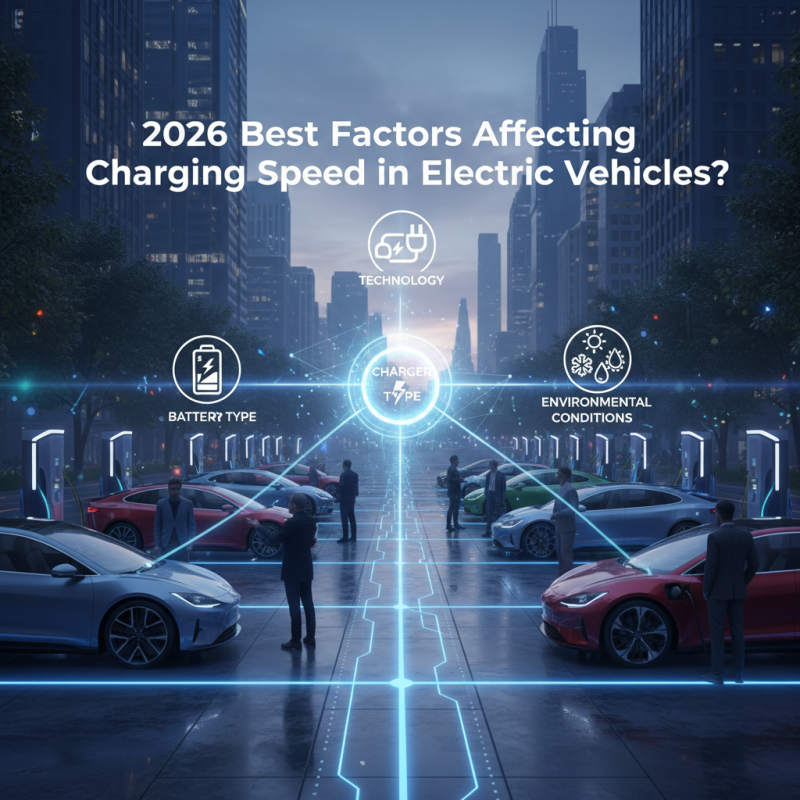
Understanding the factors that influence electric vehicle (EV) charging speed is essential for drivers and manufacturers alike. Charging speed is affected by several key elements, including battery technology, charger type, and ambient temperature. Different battery technologies, like lithium-ion, can deliver varying charging speeds. Faster chargers can significantly reduce the time spent at charging stations. However, the compatibility of the vehicle with the charger is crucial.
Ambient temperature also plays a role. Cold weather can slow charging, while high temperatures may affect battery performance. Not every EV performs well under extreme conditions. Drivers must be aware of these aspects to optimize their charging experience.
**Tips:** Monitor your EV’s battery health regularly. A well-maintained battery charges more efficiently. Check local weather forecasts and plan charging accordingly. This can help avoid unexpected delays. Also, understand your charger types and their limits. This simple knowledge can make a significant difference in your charging routine.
| Factor | Description | Impact Level (1-5) |
|---|---|---|
| Charger Power Rating | The maximum power output of the charger (measured in kW), which determines how quickly energy can be supplied to the vehicle. | 5 |
| Battery Capacity | The total energy storage capacity of the vehicle's battery (measured in kWh), influencing how long a complete charge takes. | 4 |
| State of Charge (SoC) | The current charge level of the battery, as charging speed can vary significantly depending on whether the battery is near empty or full. | 4 |
| Temperature | Ambient and battery temperature can affect charging efficiency and speed due to chemical reactions within the battery. | 3 |
| Charger Technology | Different charging technologies such as AC vs. DC and the use of fast-charging standards influence charge time. | 5 |
| Battery Management System (BMS) | The system that monitors and manages battery performance and charging cycles, optimizing safety and speed. | 4 |
: Lithium-ion batteries charge faster and last longer than traditional batteries, which provides significant benefits in performance.
A typical lithium-ion battery can charge to 80% in under 30 minutes using fast charging stations.
Solid-state batteries use solid electrolytes, enhancing energy density and safety compared to lithium-ion batteries.
They face manufacturing complexities and high production costs, limiting their market entry and development.
Charging levels include Level 1, Level 2, and DC Fast Charging, each varying in speed and efficiency.
DC Fast Charging can add up to 100 miles of range in just 30 minutes, making it the fastest method.
Improper connections can reduce charging efficiency by up to 30%, leading to longer wait times and user frustration.
Many EV owners encounter problems due to unrecognized connectors or incompatibility, affecting their charging experience negatively.
Innovations in battery recycling may ease challenges related to resource sustainability and availability in battery production.
The supply chain’s reliance on cobalt and lithium raises sustainability concerns, prompting a need for alternative materials.
The charging speed of electric vehicles (EVs) is influenced by several key factors, significantly impacting the overall efficiency and convenience of EV usage. Understanding what affects charging speed in electric vehicles starts with battery chemistry, where the differences between lithium-ion and solid-state batteries play a crucial role in how quickly and effectively power can be delivered to the vehicle. Additionally, the type of charging infrastructure—ranging from Level 1 and Level 2 chargers to DC fast charging—determines how quickly a vehicle can charge, with DC fast charging offering the highest speed.
Ambient temperature also significantly influences charging efficiency; extreme heat or cold can slow down the charging process. Finally, connector standards are essential to ensure compatibility across different charging systems, which can enhance the charging experience. Collectively, these factors shape the landscape of EV charging, offering insights into technological advancements and consumer needs in the evolving electric vehicle market.

 VoltEdge Charging