As businesses increasingly adopt electric vehicles, the need for charging stations grows. Companies often ask, "what is the cost of installing a charging station?" This essential question can shape a company's investment strategy. The charging station cost varies widely based on multiple factors.
Location plays a significant role. Urban areas may face higher installation fees than rural settings. Moreover, the type of charging station selected will influence expenses. Level 1, Level 2, and DC fast chargers each have unique pricing structures. It is essential to consider not just equipment costs but also installation complexities.
Furthermore, understanding local regulations and incentives can lead to significant savings. Many regions offer grants or tax credits that help offset initial costs. Evaluating all these aspects ensures informed decisions. Businesses must consider how these investments impact their sustainability goals and long-term profitability.
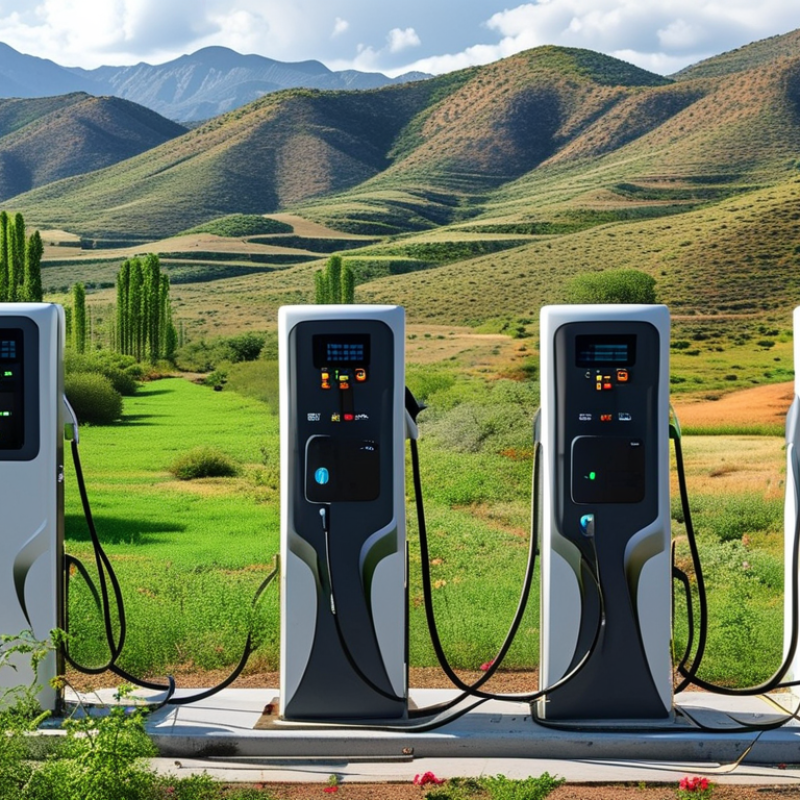
Installing charging stations for your business is a significant investment. Many business owners wonder about the costs involved. Understanding these costs can help you make informed decisions. Installation expenses vary based on the type, location, and infrastructure needed. A standard Level 2 charger may run between $2,000 and $10,000. These figures tend to fluctuate depending on local regulations and site specifics.
Labor costs can also add up. Professional installation often ranges from $500 to $1,500. Ensure that qualified electricians handle the installation. This prevents safety hazards and future costly repairs. It's easy to underestimate these expenses. Some businesses overlook potential upgrades needed to accommodate the charging station.
Running a charging station may incur additional costs. Businesses should plan for maintenance and possible service fees. It's essential to consider the electricity costs as well. While usage may be minimal at first, demand could rapidly increase. Monitoring usage will help with operational efficiency. The process is still evolving, and many businesses find they encounter unexpected challenges along the way.
This chart illustrates the average installation costs associated with different levels of charging stations for businesses. Level 1 stations have the lowest cost, while DC fast charging stations are the most expensive to install, reflecting their complexity and capability.
The cost of installing charging stations for businesses varies widely based on several factors. Site assessment is critical. This involves evaluating the property's electrical infrastructure. Older buildings may require significant upgrades. According to industry reports, installation costs can range from $2,000 to $10,000 per station. Additionally, labor costs fluctuate based on location and expertise.
Charging station types impact expenses as well. Level 2 chargers are more affordable but slower, while DC fast chargers offer rapid charging but at a premium price. Research indicates that demand for faster charging options is increasing, which may influence future pricing trends. Businesses should also consider ongoing maintenance costs and energy pricing, which can add to overall expenditure.
Tip: Engage with local utility companies. They may provide incentives or rebates to offset installation costs.
Additionally, weigh the potential ROI against installation expenses. Charging stations can attract eco-conscious customers and enhance brand loyalty. However, careful planning is essential. Assess your customer base and expected usage before committing. Investing in charging infrastructure is a favorable long-term strategy, but it requires thoughtful analysis.
When considering the installation of charging stations for your business, it's essential to understand the different types and their costs. Level 1 chargers are the simplest and cheapest, typically used for home or small business use. They plug into standard outlets and can take up to 12 hours to charge a vehicle fully. However, for most businesses, this could be impractical due to charging speed and demand.
Level 2 charging stations are more efficient. They can fully charge a car in 4-5 hours, making them ideal for commercial settings. Installation costs for Level 2 chargers can vary significantly, often ranging from $500 to $2,000, including equipment and installation. This option often attracts more customers, as it allows for quicker turnarounds.
DC fast chargers are more expensive, with costs ranging from $10,000 to $40,000. They can charge most electric vehicles in under an hour. Although the initial investment is high, businesses that install them often see increased foot traffic and customer satisfaction. Balancing cost and charging speed is critical. Evaluate your location, customer needs, and how often vehicles will be charged. Each type of station has its merits and drawbacks, and understanding these can lead to better decisions for your business's electric vehicle infrastructure.
When budgeting for the installation of a charging station, many businesses overlook hidden costs. While the average installation can range from $3,000 to $10,000, additional expenses can arise. Electrical upgrades may be necessary, especially for older buildings. These upgrades often cost between $1,000 and $5,000, depending on the infrastructure needed.
Furthermore, site preparation is critical. This may involve landscaping, concrete work, or other modifications to accommodate the charger. The estimated cost for site preparation can vary widely, averaging around $1,500 to $3,000. Maintenance and service contracts are also ongoing expenses. Some reports indicate that businesses should factor in approximately $200 to $500 annually for these services.
Finally, local permits and regulations can add to the total cost. In some regions, obtaining the necessary permits can be a lengthy process. Expenses for permits can range from $100 to $500. Ignoring these hidden costs can lead to budget overruns and delays, impacting your overall project timeline. Understanding these factors is essential for successful planning and implementation.
Exploring financing options for installing a charging station is vital for all businesses looking to embrace sustainability. The initial investment can seem daunting. However, various funding sources can ease this burden. Local governments often provide incentives or grants. These can significantly lower costs, but the application process may be complex. Businesses should be prepared for paperwork and timelines.
Loans and financing plans are feasible alternatives. Many banks offer specialized loans for green technology initiatives. This option allows businesses to spread payments over time, making it more manageable financially. Understanding terms and conditions is crucial before committing. Some businesses find crowdfunding a helpful way to raise funds. It fosters community support and adds visibility to your green efforts.
It's essential to thoroughly assess all options. The right financing plan can empower your business to invest in a charging station. However, it’s important to consider long-term implications and future expansion needs. Reflecting on your specific circumstances will help drive the best decision. Each financing path has its pros and cons, requiring careful thought and planning.
| Location Type | Average Installation Cost ($) | Estimated Time to Install (Days) | Available Financing Options | Incentives Available |
|---|---|---|---|---|
| Retail Store | $10,000 | 5 | Bank Loans, Grants | Tax Credits |
| Office Building | $15,000 | 7 | Leasing Options | Rebates |
| Hospitality (Hotels) | $20,000 | 10 | Incentive Programs | Utility Discounts |
| Shopping Mall | 30,000 | 15 | Partnerships, Public Funding | State Grants |
| Parking Lot | 8,000 | 4 | Loans, State Programs | Federal Grants |
: A standard Level 2 charger can cost between $2,000 and $10,000, depending on various factors.
Yes, professional installation can range from $500 to $1,500. Qualified electricians should be involved.
It's common to underestimate future upgrades needed for accommodating charging stations. Planning is crucial.
Yes, businesses need to plan for maintenance, service fees, and fluctuating electricity costs over time.
Financing options like loans and grants can reduce the initial burden, but require careful assessment.
Local governments may provide incentives or grants, though the application process can be complex.
Monitoring usage helps improve operational efficiency and manage costs as demand increases over time.
Crowdfunding fosters community support and can provide visibility for businesses' green initiatives.
Compare pros and cons of financing options to make informed long-term decisions for future expansion needs.
Yes, many businesses face unexpected challenges. Preparing for these can lead to better outcomes.
Installing a charging station for your business involves various costs that can significantly impact your budget. Understanding charging station installation costs is crucial. Factors influencing these costs include the type and number of charging stations required, site preparation, electrical upgrades, and permits. Different types of charging stations come with varying price points, so it’s essential to compare them to find the best fit.
When budgeting for installation, businesses should consider hidden expenses such as maintenance, insurance, and operational costs. Additionally, exploring financing options can help alleviate the upfront costs associated with installation. Ultimately, if you are wondering "what is the cost of installing a charging station," it's essential to evaluate all these factors to arrive at a comprehensive financial plan that meets your business needs.

VoltEdge Charging